Energy prices surge amid Middle East conflict
In focus today
In the euro area, flash February inflation is released today. We expect headline inflation to rise to 1.8% y/y and core inflation to remain at 2.2%. Inflation in France and Spain came in higher than expected while Germany was below expectations. The momentum in services inflation picked up again in February after a very low January print which was due to lower taxes. So, we expect momentum in services inflation to be similar to November and December.
In the UK, the Spring Statement will be delivered today (afternoon) by Chancellor Reeves. It will include a new economic outlook but not a fiscal one. While we do not expect any meaningful changes to the fiscal outlook, we note that UK markets continue to be particularly sensitive to political uncertainty.
Today at 13.00-13.30 CET, we will host a concise 30-minute webinar on the Iran situation. Topics include the most likely path forward, implications for global macro and central banks as well as the cross-asset market impact.
Economic and market news
What happened over night
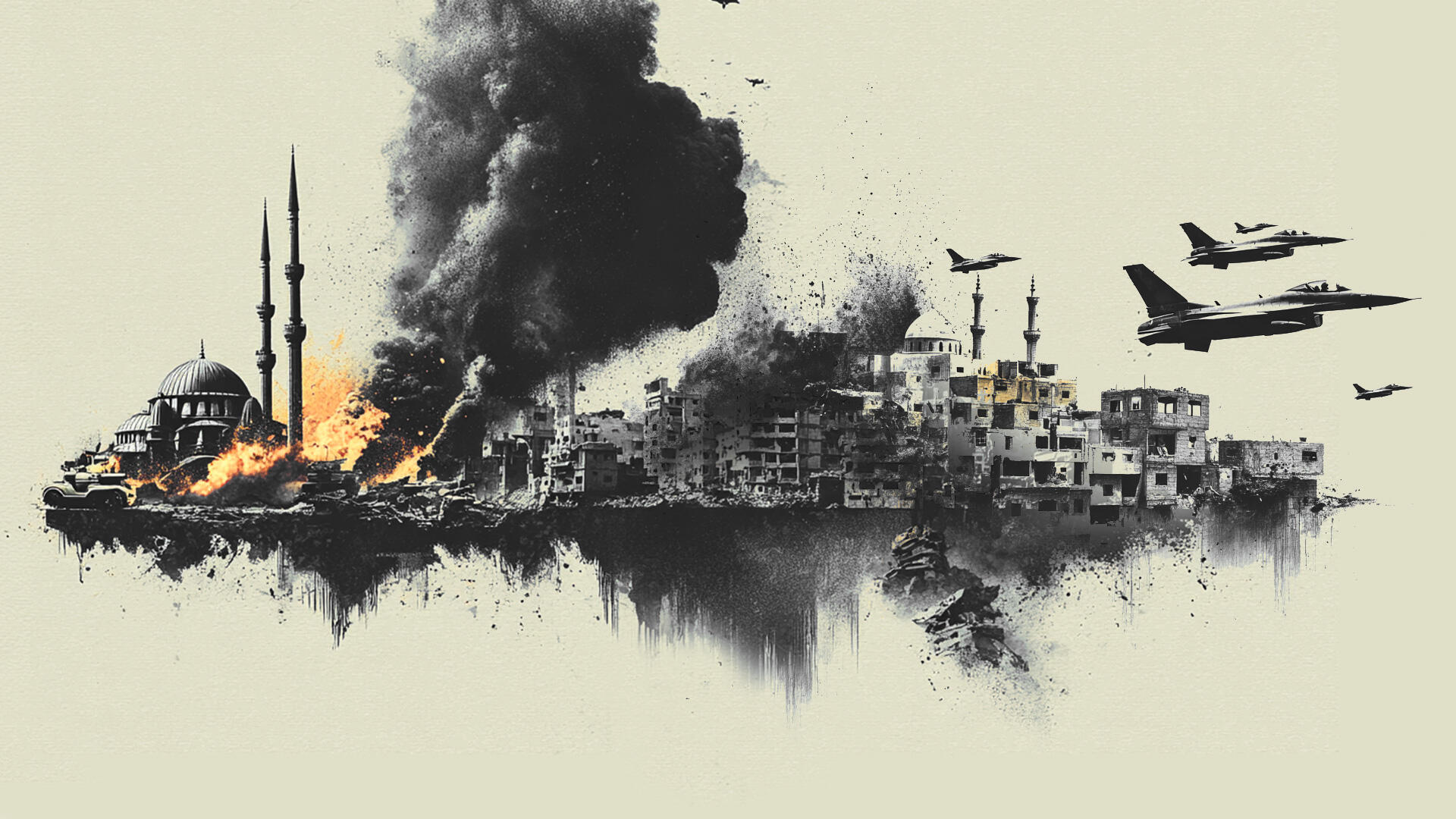
The conflict in the Middle East continues to escalate, with Saudi Arabia reporting that the US embassy in Riyadh was hit by two drones, causing a 'limited fire'. Addressing the attack and the deaths of American personnel in the Iran conflict, President Trump told NewsNation that details of Washington's retaliation would be revealed "soon," while emphasising that deploying ground troops would not be necessary.
In energy markets, in response to the forced shutdowns of regional energy facilities and disrupted shipping in the Strait of Hormuz, the US administration announced a phased mitigation plan, with Treasury Secretary Scott Bessent and Energy Secretary Chris Wright set to outline measures today. President Donald Trump is scheduled to meet both officials at 2pm (1900 GMT), highlighting the urgency of the situation.
What happened yesterday
Energy markets faced significant turmoil on Monday as oil and gas prices surged amidst the escalating US-Israeli conflict with Iran. With no signs of negotiations, Brent crude peaked at 82 USD/bbl before retreating to close at 77 USD/bbl up 7.26% since Friday. On Monday. European natural gas prices saw an even sharper rise, spiking 40.6% to 43.5 EUR/MWh. These price movements reflect growing supply fears following precautionary shutdowns of key oil and gas facilities in the Middle East. Israeli and US strikes on Iran, along with Tehran's retaliatory actions, prompted QatarEnergy to halt LNG production after its facilities were hit by Iranian drones. Saudi Arabia also shut down its Ras Tanura refinery, a major crude export terminal, after a drone strike.
Shipping through the vital Strait of Hormuz (SOH) has come to a standstill, leaving 77 million barrels of oil stranded on 150 tankers in the Persian Gulf. While an Iranian Revolutionary Guards official declare the SOH closed and threatened to target ships attempting passage, the US military's Central Command insisted the Strait remains open. Nevertheless, shipping is expected to remain idle until safe passage can be ensured. The disruptions further strained global supply chains, pushing the benchmark freight rate to a record high, doubling since Friday. Daily LNG tanker freight rates jumped more than 40% on Monday following Qatar's production halt, amplifying concerns over energy shortages.
In the US, the ISM manufacturing index for February came in close to expectations at 52.4, except for a notable uptick in the prices index. Interestingly, the PMI survey painted a contrasting picture regarding manufacturing price pressures, with both input and output price indices continuing a declining trend. The increase in price pressures is attributed to a sharp rebound in imports, reflecting the delayed impact of tariffs.
In Sweden, the manufacturing PMI for February improved to 56.1 from 55.9. marking its highest level in four years. While the change is modest, it is a reassuring outcome, particularly given the softer sentiment seen in last week's NEIR survey. The details reveal improvements in both employment and production, though inventory build-up and delivery times have weakened since January.
Equities: Global equities declined "only" 0.4% yesterday against the backdrop of a significant geopolitical escalation in the Middle East. Given the scale of events, the market reaction remains relatively contained, but also very telling.
One key reason equities did not fall more materially was strength in US tech. In fact, on a day of severe geopolitical escalation, cyclicals outperformed globally, while min vol underperformed. That is notable. While we argued for composure and against extrapolating into a major equity drawdown, some of yesterday's cross-asset price action stands out.
As expected, energy was the best-performing sector. However, the VIX is at only 21. In the US, the two worst-performing sectors were staples and healthcare, an unusual pattern following geopolitical escalation. This underlines the need to avoid reflex positioning in this conflict. There is a clear element of unwind in crowded trades. Investors should be careful not to be caught short off guard. This unwind dynamic is also visible across regions. South Korea, returning from a long weekend, is down 6% this morning following strong YTD gains. Most of Asia is lower, and US and European futures are trading down this morning.
FI and FX: The market impact on the back of the war between Israel/US and Iran was a solid rise global bond yields yesterday, where 10Y US Treasuries rose more 10bp and 10Y German yields rose 7bp and curves bear flattened. This morning, we have seen a substantial rise in yields in Asian fixed income markets such as Australia and Japan as they follow the sentiment from yesterday. Furthermore, Furthermore, the dollar keeps strengthening.
Author

Danske Research Team
Danske Bank A/S
Research is part of Danske Bank Markets and operate as Danske Bank's research department. The department monitors financial markets and economic trends of relevance to Danske Bank Markets and its clients.