ECB Draghin down the euro as May faces tough opposition at EU summit

The dollar rally appears to be back on after the buck struggled at the start of this week. Although it is only tentative at this stage, we have seen the greenback claw back recent losses in the last 24 hours, particularly against the euro and Canadian dollar. Looking ahead to next week, a few themes are fighting for attention and are worth watching.
Hard Brexit fears may remerge
Firstly, fears over a “hard” Brexit may start to materialise today during the EU summit in Brussels, Theresa May’s first as Prime Minister. She has already received a chilly reception, with the President of the European Council, Donald Tusk, saying that the other 27 members of the EU will start to work separately from the UK even before we have triggered Article 50. Some reports have suggested that May is not seeking a close relationship with the EU after Brexit, and her reception at the start of this summit suggests the feeling is mutual. This is likely to bring up fears that May wants a clean break from the EU, including from the single market. French President Hollande, who may not even be in power next year, told reporters that a “hard Brexit” would require “hard negotiations.
GBP could be under pressure as May faces a chilly European reception
Thus, May’s first official trip to Brussels as PM has the capacity to spook markets once again. Interestingly, earlier this week key officials had tried to backtrack on May’s “hard Brexit” rhetoric, with Chancellor Hammond saying that no decision on the UK’s Brexit position had been made. Perhaps May is merely posturing for the cameras; after all she can’t look weak in Brussels in front of the important Eurosceptic element of the Tory party who will no doubt be scrutinizing her performance. Those who had been banking on a slowdown of the pound’s recent decline, ourselves included, may hope that in private relations with her European counterparts are more cordial.
A barrage of tense comments around a clean break for Britain from the EU, single market access and all, could send the pound hurtling back towards 1.20 vs. the USD. We would also expect it to underperform against the yen and the other safe havens. This could also spur a relief rally in the FTSE 100, which has stumbled in recent days.
Clinton’s Presidency and the impact on markets
The second theme that is jostling for attention is the US Presidential election, which appears to be in the bag for Hillary Clinton. This leaves investors pondering what a Clinton presidency means for US asset prices. A crude summary suggests that a Clinton administration, particularly one that relies on the Bernie Sanders wing of the Democratic Party, could be bad news for stock markets. However, we believe that a win for Hillary could encourage another leg higher in the dollar rally as it means that the composition of the Fed will likely remain unchanged. The markets like certainty, so the prospect of the same composition of the Fed may be one reason why Treasuries have sold off on the back of the final debate, and yields have risen after falling back earlier this week. Since rising treasury yields have been the building blocks of this dollar rally, it is good news for the buck in the medium-term, in our view.
ECB Draghin down the euro
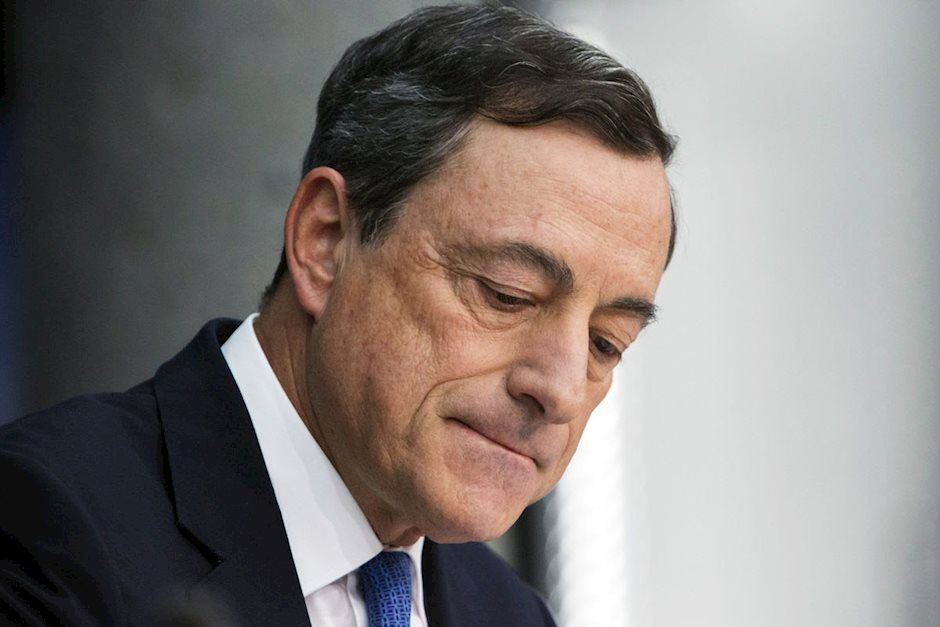
The final theme that is gathering momentum is relative central bank stances and the potential for euro weakness, which fell to its lowest level sine March on Thursday. The Fed is set to hike rates in December, while the BOJ has talked down the chance of further stimulus measures being announced this year. Even expectations for a rate cut from the BOE have fallen dramatically this month as the drop in sterling has boosted inflationary pressures. This leaves the ECB. At its meeting yesterday, the Bank did not say that it would extend the longevity of its asset purchase programme, which expires in March 2017, however, it hinted that it may do so in December. It also said that it would not abruptly end QE, instead it would, at some stage, embark on a tapering programme. The market has taken this to mean that the ECB is now the only major central bank willing to extend its QE programme, which is broadly euro negative, and may trigger a decline in EURUSD back to 1.08 in the coming days.
A weaker currency can sometimes be a boon for stocks; however, the ECB’s negative interest rate policy has weighed heavily on Europe’s banking sector. Europe’s banking sector’s share price has declined 23% since the ECB’s QE programme was announced in March 2015, as negative interest rates weigh on the profitability of banks’ lending activities. However, a strange thing appears to be happening. Even though the euro and German bond yields are reacting to the dovish slant to Draghi’s comments, Europe’s banking sector index is rising. Since banks would benefit from a tightening in ECB monetary policy, is this a sign that some market participants do not think that the Bank will increase the length of its asset purchase programme, and tapering could start in Q1 next year?
There is a lot to consider as we head into the weekend, with no single theme dominating. However, any further “hard Brexit” talk from either side at the EU summit could be enough to dent the recent reversal in the pound’s fortunes. The euro could also be in decline as we begin a new week.
Author
Kathleen Brooks
XTB UK
Kathleen has nearly 15 years’ experience working with some of the leading retail trading and investment companies in the City of London.