Don’t expect an uneventful summer for Gold & Silver

Bullion premiums have been drifting lower in recent weeks after spiking earlier this spring. That in part reflects a waning of fear among investors… and a hope for markets and the economy returning to normal as we head into the summer.
But make no mistake, these are NOT normal times.
Not with some parts of the economy still locked down. Not with the Federal Reserve embarked on an unlimited Quantitative Easing program that will dwarf all others that came before it. And not with the fabric of American society being ripped apart by radicals who are bent on erasing history and fomenting a race war.
Police officers in large cities across the country are bracing for a summer of continuing violence, property destruction, and unrest at the same time as many are looking for new jobs.
Militant anti-cop hatred in the streets and a lack of support from mayors and prosecutors will leave many cities with hollowed out police departments that are unable to protect the public from crimes.
With these dangers simmering, volatility spikes could return to markets in the weeks ahead.
Summer – which officially begins on Saturday – is usually uneventful in the precious metals markets. Trading volumes tend to diminish, and demand for jewelry and bullion products tends to soften ahead of the seasonally stronger fall period.
But in a year that has been like no other in so many ways, we wouldn’t necessarily count on this summer being a typical one for gold and silver markets.
Investors will have to brace for a number of broad risks.
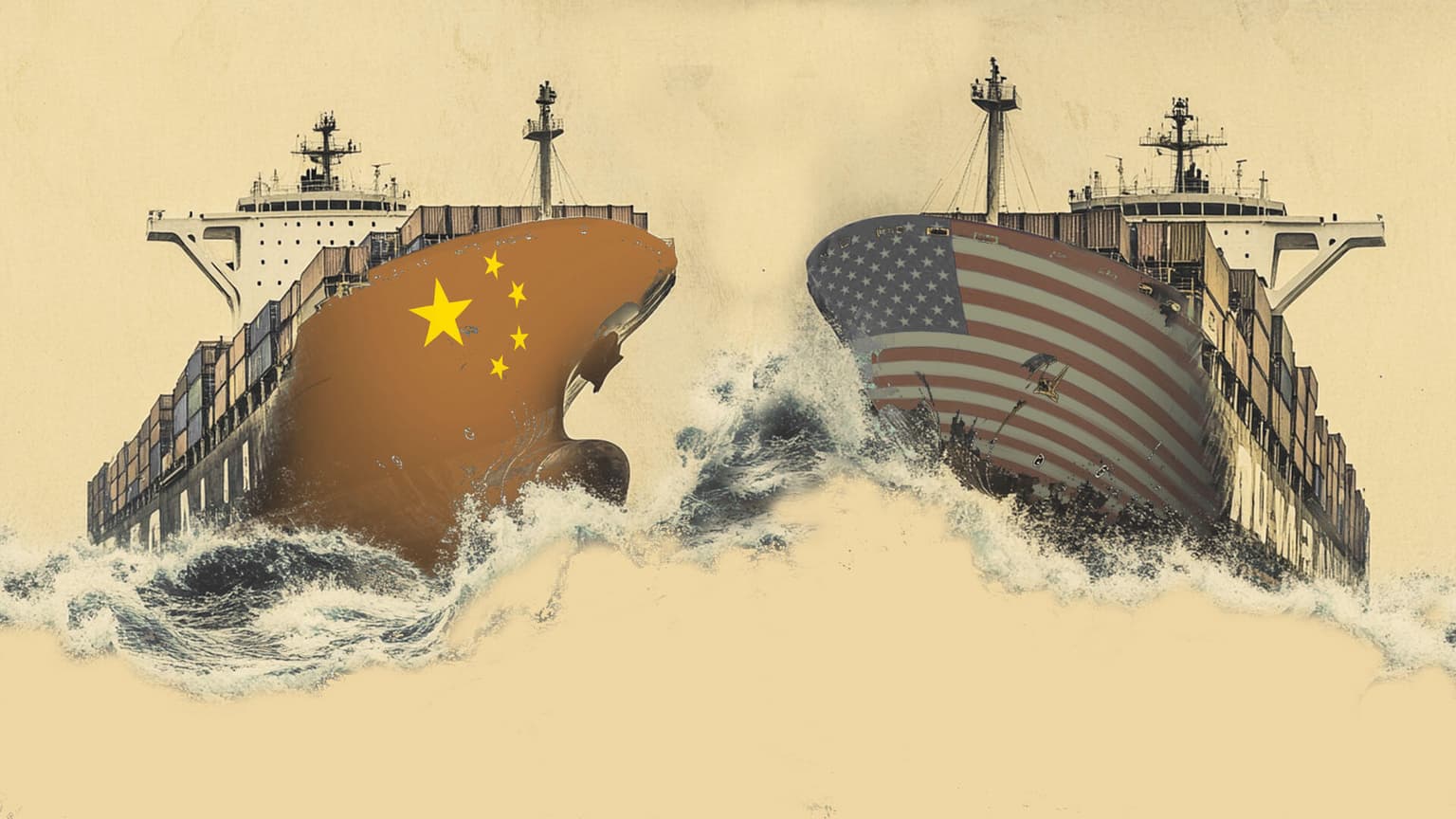
For one, the U.S. dollar could take a big hit as the government continues to add to an unprecedented budget deficit, the Fed piles on more trillions to its balance sheet, and the U.S. relationship with China turns increasingly adversarial.
Senior Chinese officials warned this week that the U.S. dollar’s privileged status as world’s reserve currency is in jeopardy. Although China has not yet acted to dump the bulk of its dollar holdings, it is continuing to forge various new trading partnerships with other countries that could gradually dethrone King Dollar.
Meanwhile, Jerome Powell and company at the Fed seem to be doing everything they can to undermine the purchasing power of the U.S. currency. They are openly calling for higher rates of inflation as they pump up the central bank’s balance sheet to $7 trillion and counting.
The Fed’s QE and repo market injections are likely to slow somewhat compared to the record pace seen earlier this spring. Since the stock market has been closely tracking the directional moves of the Fed’s balance sheet, central bankers may need to give it another boost if they want to keep Wall Street’s rally going.
They have already stretched and skirted the legal limits of their powers by purchasing corporate bonds and subsidizing small business loans. Perhaps they will soon begin buying up stocks, real estate, and other assets as well.
If the COVID-19 virus continues to spread and prevent the economy from firing on all cylinders, we can expect more stimulus programs from both the Fed and Congress.
Heading into an election, politicians will be trying to buy as many votes as they can with handouts and promises of delivering even more handouts if they are elected.
Politicians today resent the historic role of gold and silver in the monetary system, which once served as a restraint on their ability to spend. But the more our currency moves away from the strict limits imposed by sound money, the more important it is for savers to move some of their wealth out of U.S. dollars and into precious metals.
Amid this dangerous social, economic, political, geopolitical, and monetary environment, physical gold and silver are likely to shine in the months ahead.
To receive free commentary and analysis on the gold and silver markets, click here to be added to the Money Metals news service.
Author
Mike Gleason
Money Metals Exchange
Mike Gleason is a Director with Money Metals Exchange, a national precious metals dealer with over 500,000 customers.