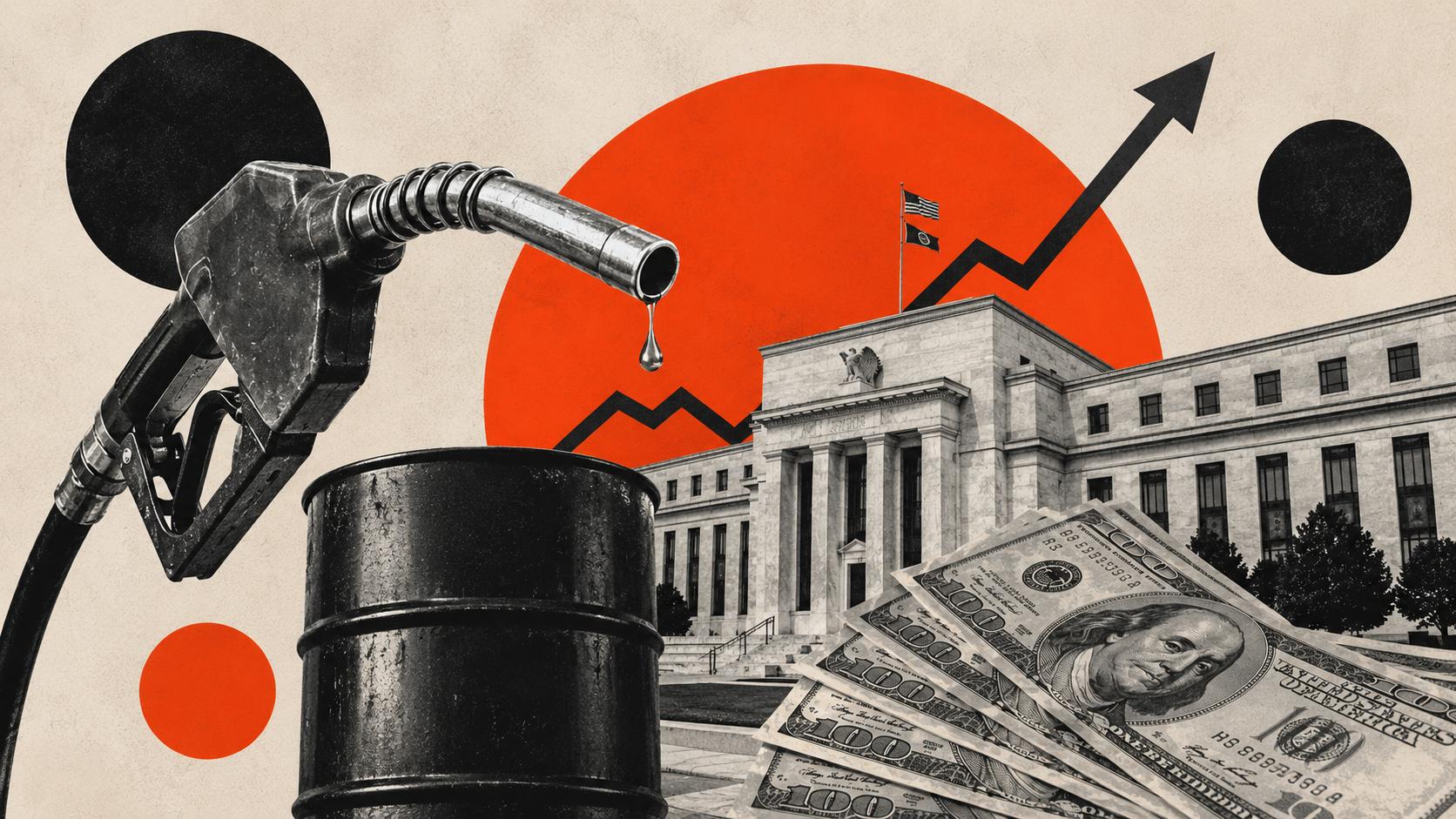
Chinese analysts worry about exposure to U.S. debt
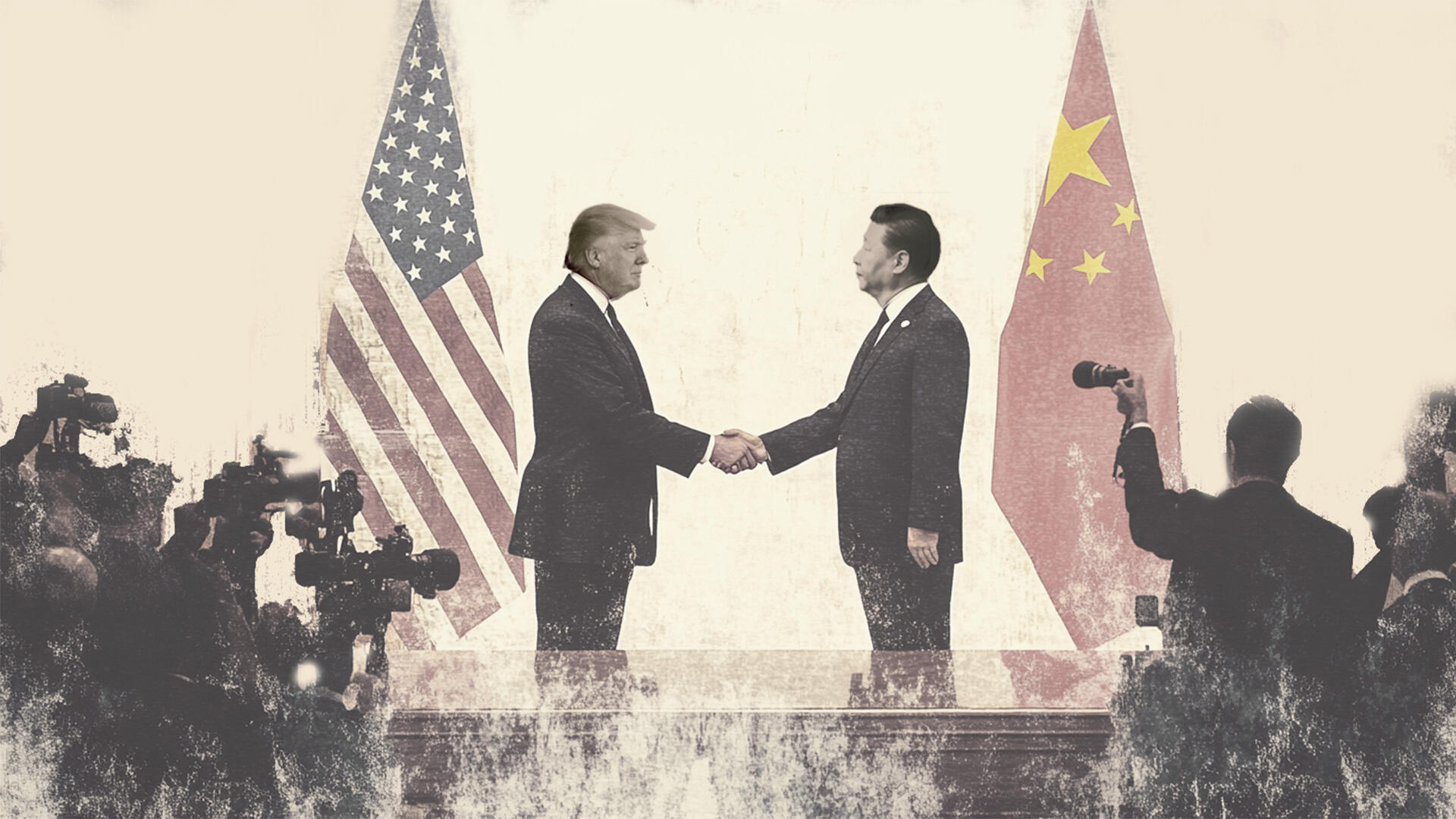
Chinese analysts recently expressed concern about the sustainability of the U.S. government’s borrowing and spending, suggesting that the country should further limit its exposure to U.S. debt.
In an article published by China Money, a publication overseen by the Chinese central bank, researchers from the Bank of China wrote, “Although U.S. Treasuries have not yet reached the default threshold, their expansion is unsustainable.”
The analysts recommended limiting exposure to U.S. debt and stocking up on gold.
“[We need to] gradually adjust U.S. Treasury holdings and appropriately increase reserves of gold, key resources and strategic materials.”
The analysts asserted that economic growth wouldn’t likely offset rising debt and persistent budget and trade imbalances. (History supports this assertion.) They also said President Trump’s efforts to narrow the trade deficit using tariffs could curb global demand for the U.S. dollar and undermine the greenback’s reserve status.
The national debt recently eclipsed $37 trillion, and despite talk about spending cuts and increased federal receipts from tariffs, the federal government continues to run massive deficits.
Despite triple the amount of tariff income, the July budget deficit surged to $294.14 billion, 19 percent higher than a year ago.
The Chinese have already been shedding U.S. bonds. Chinese Treasury holdings are currently at the lowest level since 2009.
Meanwhile, the country has been aggressively increasing its gold holdings.
The People’s Bank of China reported a 6-tonne increase in its official gold reserves in the second quarter of 2025, bringing its official holdings to 2,296 tonnes. That makes up about 6.5 percent of its total reserves.
But the country likely has a lot more gold than it reports.
As analyst Jan Nieuwenhuijs has reported, the People's Bank of China is secretly buying large amounts of gold off the books. According to data parsed by the renowned Money Metals researcher, the Chinese central bank is currently sitting on more than 5,000 tonnes of monetary gold located in Beijing – more than TWICE what has been publicly admitted.
Nieuwenhuijs estimates that the Chinese central bank covertly bought 570 tonnes of gold last year, encouraging gold’s ascent in global international reserves by 4 percent, the largest gain in four decades.
China isn’t alone in worrying about the United States’ fiscal trajectory. Sagging demand for U.S. debt was evident in an abysmal 10-year Treasury auction earlier this month. Overseas investors bought just 64.2 percent of the bonds, down from 88 percent in April.
The Bank of China analysts noted that there is a growing share of U.S. Treasuries held by non-bank financial institutions and the private sector. They view this as a source of instability because it makes bonds more sensitive to “changes in liquidity and risk expectations.”
“Any sudden negative shock could trigger chain reactions across markets, asset classes and even countries, exacerbating financial market instability.”
It’s easy to blow off Chinese analysts as anti-American and hopelessly biased. This may be the case. Nevertheless, Chinese policymakers act on these assumptions, and any further erosion of the Treasury market will exacerbate difficulties for the U.S. government as it tries to navigate a growing debt and rising interest rates.
Simply put, ebbing demand for U.S. debt poses a significant problem for a federal government with an out-of-control borrowing problem.
Bond yields spiked late last year even as the Fed was cutting rates. While the central bank dropped interest rates by 100 basis points, long-term Treasury yields spiked up by over 100 basis points.
At the time, WolfStreet noted, “There are rising concerns in the bond market about the ballooning U.S. debt, and about the flood of new supply of Treasury securities that the government will have to sell in order to fund the out-of-whack deficits. Treasury buyers and holders are spread far and wide, but higher yields may be necessary to reel in the mass of new buyers needed, even as the Fed is shedding its Treasury holdings through QT.”
More concerning is the fact that during several periods of geopolitical instability, Treasuries sold off, indicating that U.S. bonds might be losing their status as a go-to safe haven.
Lower demand for debt means higher borrowing costs for Uncle Sam. And the government’s borrowing costs are already rising exponentially.
Uncle Sam paid $1.13 trillion in interest expenses in fiscal 2024. It was the first time interest expense had ever eclipsed $1 trillion. Projections are for interest expense to break that record in fiscal 2025.
This is clearly an untenable situation, and it will only get worse if China and other foreign countries turn their back on Treasuries.
To receive free commentary and analysis on the gold and silver markets, click here to be added to the Money Metals news service.
To receive free commentary and analysis on the gold and silver markets, click here to be added to the Money Metals news service.
Author

Mike Maharrey
Money Metals Exchange
Mike Maharrey is a journalist and market analyst for MoneyMetals.com with over a decade of experience in precious metals. He holds a BS in accounting from the University of Kentucky and a BA in journalism from the University of South Florida.