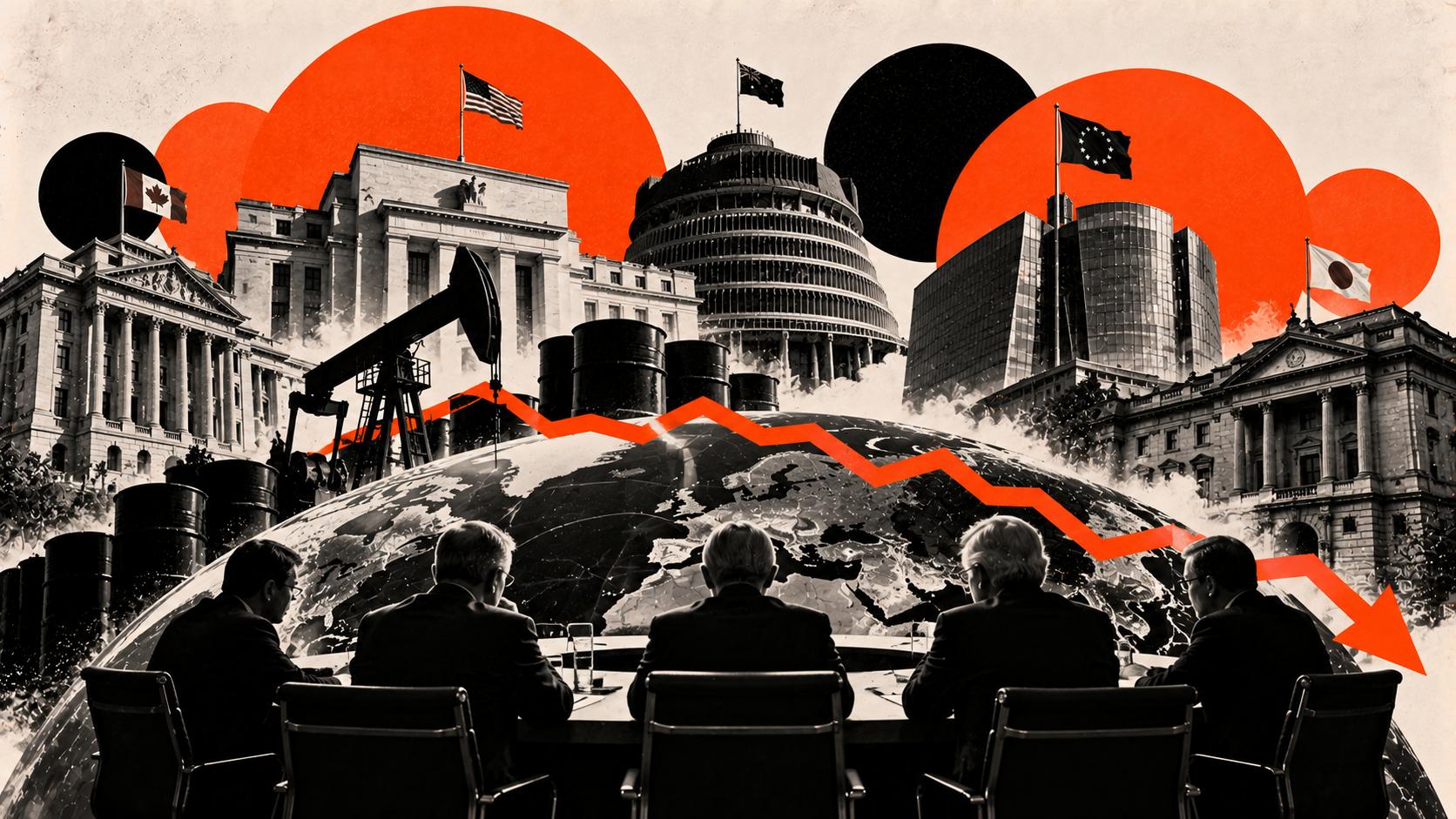
Carry unwind risks are back
The week kicked off on a positive note for Asian tech stocks – following the advance of their US tech peers on Friday on juicy OpenAI news (its GPT-6 Astra model is being described as its closest step towards AGI so far). But appetite was much weaker for European indices, as a further rally in energy prices (especially European gas prices), an unexpected contraction in German industrial production in July and mixed Euro area growth updates weighed on Europe’s tech-poor, cyclical-sector-heavy indices, as the ECB prepares to deliver a 25bp rate hike this Thursday to tame the Middle East-led spike in energy prices – hoping to cool inflationary pressures that don’t even depend on its policy.
The EUR/USD advanced slightly, but the move was mostly driven by a broader retreat in the US dollar – as a rate hike from the ECB this week is almost entirely baked into the euro’s valuation. The dollar, on the other hand, softened as the early spike in crude faded, and the Japanese yen appreciated by a big chunk on expectations that rising Japanese bond yields are now able to convince big Japanese institutional investors to repatriate funds back home. The 10-year JGB has retreated below the 2.90% mark (after hitting the 3% earlier this month), and that’s more than a full percentage point above the levels once considered as being a potential trigger for the big Japanese institutions for bringing money back home. We’re talking about potentially tens of billion dollars of Japanese institutional money, coming back home, potentially leaving the US Treasuries.
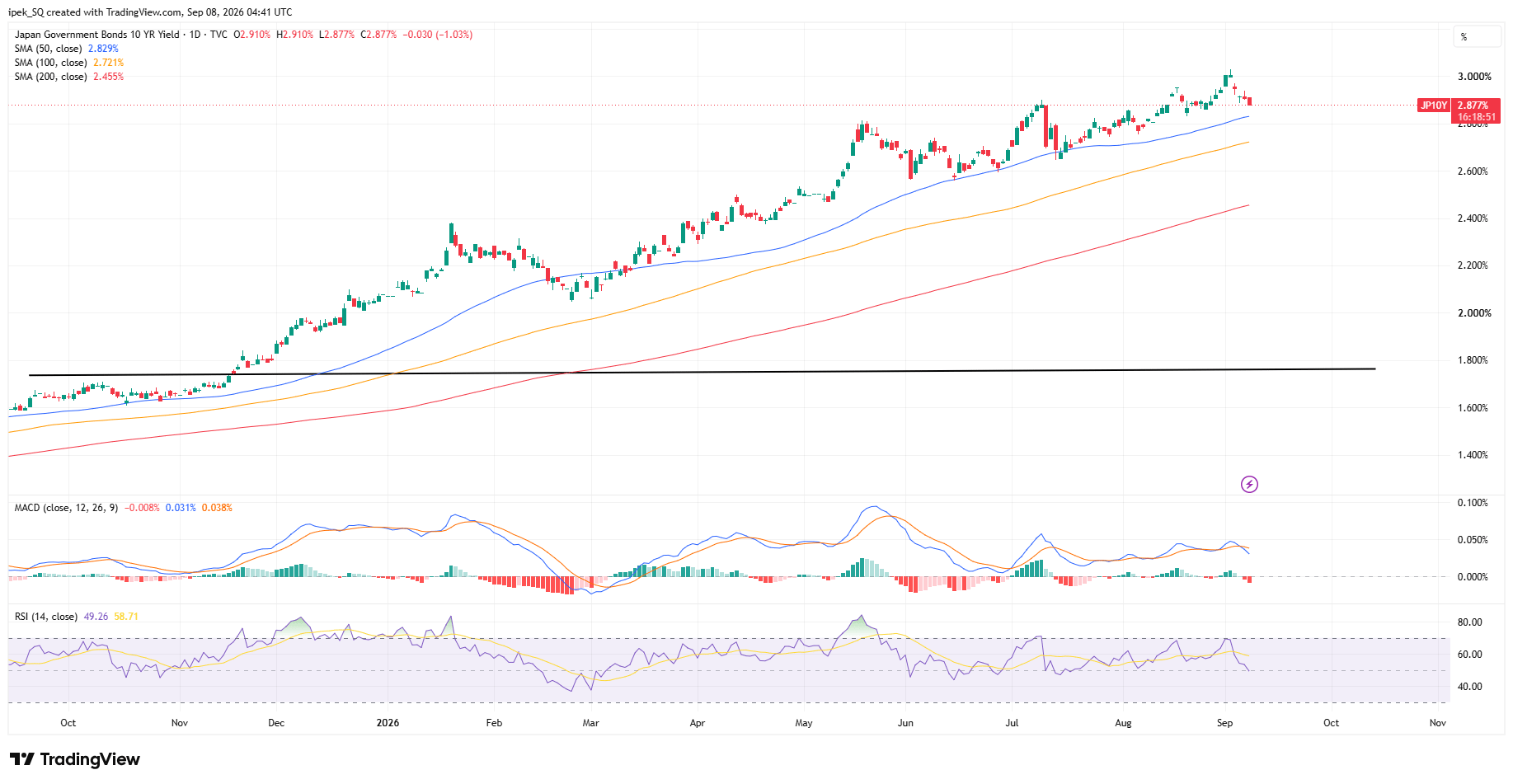
US bond markets returned from Monday’s break with a slight rebound, but worries about a potential carry-trade unwind have not eased.
Read the full article here.
Author

Ipek Ozkardeskaya
ipekScope
Ipek Ozkardeskaya began her financial career in 2010 in the structured products desk of the Swiss Banque Cantonale Vaudoise. She worked in HSBC Private Bank in Geneva in relation to high and ultra-high-net-worth clients.