Can We Call This a Hot Streak for Factory Orders?
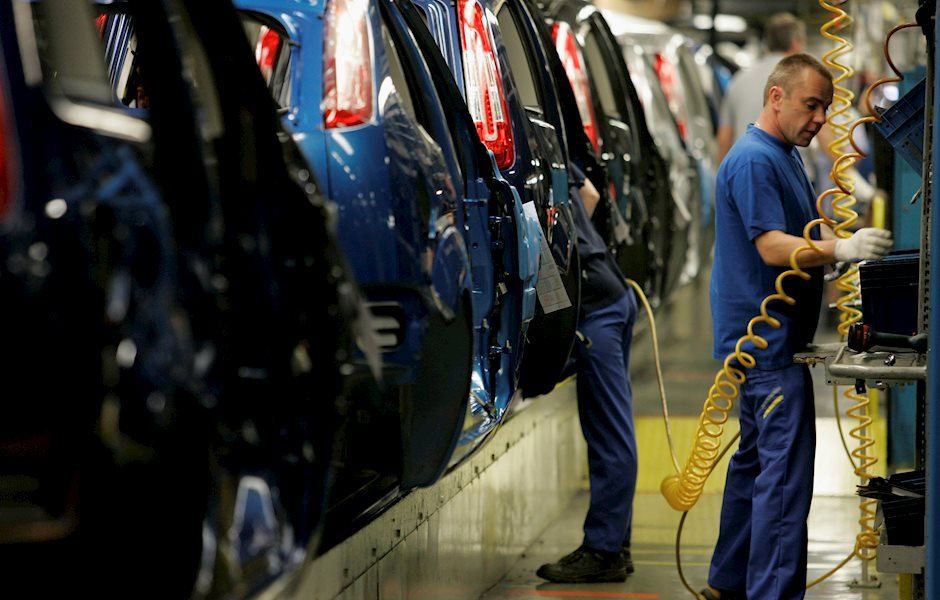

Factory orders increased 2.7 percent in October notching the fourth consecutive monthly gain. Perhaps it is a commentary on the state of manufacturing to note this is the longest stretch of consecutive gains since 2009.
Firming in Factory Continues
Shipments of non-defense capital goods orders ex-aircraft (core capital goods) are a proxy for business spending as they roll into the Bureau of Economic Analysis’s calculation of GDP. These core capital shipments edged 0.1 percent lower in October. This is downward revision from the number first reported in the durable goods report. However, it bears noting that September’s core shipments number was revised from a 0.4 percent gain to a 0.5 percent increase. This is a good, if somewhat modest, transition to the fourth quarter for equipment spending. Business outlays on equipment have declined for four straight quarters and are due for some relief–if only in the form of low base effects.
Having said that, a compelling case can be made for a legitimate increase in business spending and not just low base-effects. Economic indicators for the manufacturing sector have been coming in a bit better than (admittedly low) expectations.
For example, capital goods orders, which tend to lead shipments, are running a bit hotter. Core orders rose in four out of the past five months and are presently expanding at a three-month annualized rate of 3.8 percent. Still, a clean victory is tough to find in this report. Relative to the estimate in durable goods, the October print for core capital goods is also a slight downward revision.
Fading Headwinds?
The manufacturing sector has struggled against the triple threat of low commodity prices, soft global growth and a strong U.S. dollar. There are signs the logjam is starting to break.
Commodity prices have turned higher, particularly oil prices which have surged in the wake of the late November OPEC decision to scale back production. As of this writing, both WTI and Brent crude prices are north of $50/barrel, a roughly 20 percent increase since November lows.
The Organization for Economic Cooperation and Development (OECD) also recently revised higher its estimates for global GDP growth for both 2017 and 2018 in the latest affirmation that the global economy is continuing to firm.
The dollar, on the other hand, has not been a big help. A broad, trade weighted measure of the dollar has increased 3.5 percent since the U.S. election.
The ISM survey offers individual measures of various aspects of activity in the manufacturing sector. Its “new orders” index is a particularly useful barometer for factory orders as the bottom graph attests and signals some continued improvement into the end of the year.
Author
Tim Quinlan
Wells Fargo
Tim Quinlan is an economist for Wells Fargo. Based in Charlotte, N.C., he provides analysis and commentary on U.S. business spending as well as macroeconomic developments in foreign economies.