Can Canadian jobs numbers change the BOC's mind?
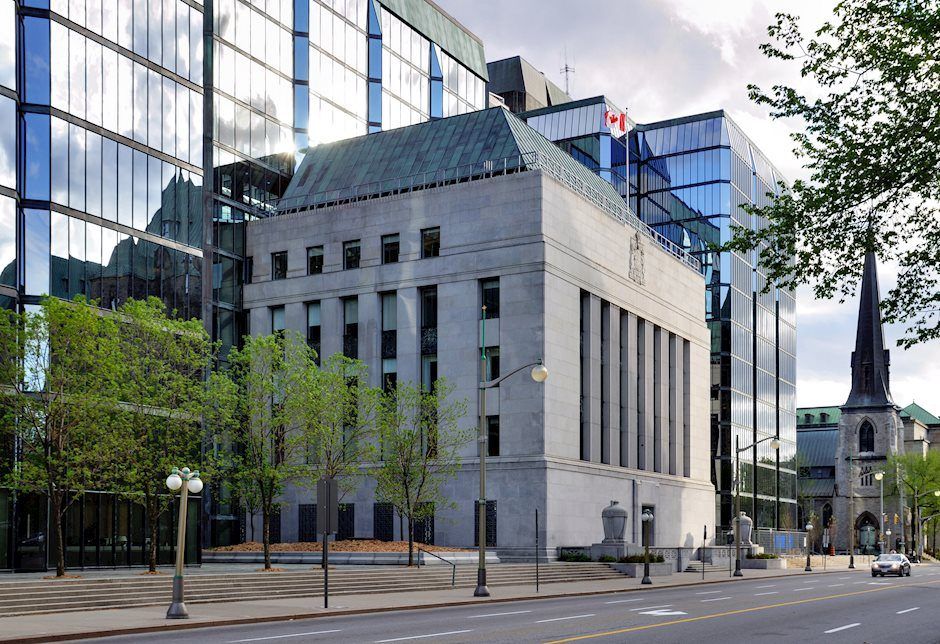

The Loonie has been suffering a bit for a combination of factors. The slide in the price of crude, is one of them, but crude prices are volatile in the current conditions. A more enduring factor is the perception that the BOC is likely to be the first major central bank to pause in the current hiking cycle.
So, if the Canadian dollar were to regain any lasting strength, it would imply a change in the perception of the BOC's outlook. And that would require some concrete data that breaks from the trend. Fortunately, there is a trove of important data scheduled for release later today: the oft overlooked Canadian employment data. That's because it comes out at the same time as the US NFP, and that can put more volatility into the greenback and markets in general.
Why the pause, BOC?
The possibility of keeping rates unchanged or a now meager 25bps hike is currently at 50-50 chances among forecasters. That's because the notion that the BOC has done enough in terms of monetary policy tightening is growing among policymakers, but it's not a clear consensus, yet. Compare this to their southern neighbor, where analysts are in agreement that the Fed will hike by at least 25bps.
That implies the interest rate spread between the two countries is going to widen. Meanwhile, Canada's inflation has sort of flattened out just under 7.0%, falling by a decimal every couple of months since the summer. That's not far off from the latest US CPI figures, suggesting that the real interest rate spread will widen against the loonie, unless the BOC hikes.
The employment situation has stagnated
Canada is forecast to have created 7.6K jobs, down from the 10.1K reported in the prior month. But job creation has been much more volatile in Canada lately, making it hard to define a trend. The unemployment rate, which had been trending slowly downwards since the jump higher in the summer, is expected to tick up to 5.2% from 5.1% prior.
The issue for the BOC, however, is that the tight labor market has been pushing wages higher at a rate above 5.0% all through the latter half of the year. This is still below the inflation rate, which means that for the average worker, they are making less real money each month. Not a situation that's conducive to supporting consumer demand. While the BOC might have had some initial trepidation about a wage-price spiral, that one hasn't developed yet despite a tight labor market for so long, can be understood as reducing some of the urgency to cool the economy to avoid inflation.
It's a double edged sword
While slowing the pace of rate hikes might provide some relief to the economy, Canada's relative size causes another problem. Because it has to import a lot of consumer goods, particularly from the US where interest rates are expected to keep rising, a weaker loonie implies consumer costs might keep rising. As it requires more Canadian dollars to buy imported goods.
This could contribute to slowing the descent in inflation, which is why the BOC might consider keeping pace with the Fed for a little while longer. Which is why it might be a bit premature to assume a pause in rate hikes in Canada just yet.
Author
Jing Ren
Orbex
Jing-Ren has extensive experience in currency and commodities trading. He began his career in metal sales and trading at Societe Generale in London.

















