Australian Job Market Continues to Firm
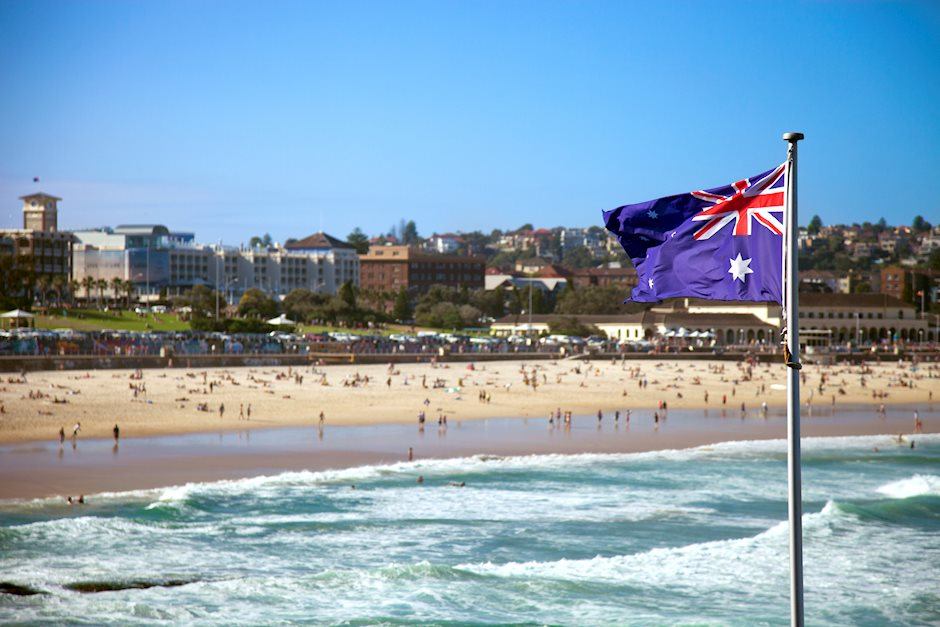

A stronger-than-expected jobs report in Australia pulled the jobless rate two-tenths of a point lower. The firming in the labor market diminishes prospects for more rate cuts this year.
Best Combined Two Months for Jobs in Years
The Australian economy added 37.4K jobs in April. This follows the largest monthly jobs surge in two years in the prior month. Most analysts evidently thought the solid job growth in March might be tough to follow in April judging by the more modest job increase of 5K that was expected by the consensus.
Taken together, the two-month period culminated in the second-largest back-to-back job pickup in Australia in the past 13 years. The only higher point in this period was October and November of 2015 when methodological changes and soaring numbers invited some unwelcome skepticism of the veracity of the numbers during that period. If we left that out, this would have been the fastest combined two-month job growth since September and October of 2004.
The participation rate held also steady at 64.8 percent as the jobless rate fell two tenths of a percentage point to 5.7 percent—one notch above the 5.6 percent rate, which marks the low point for unemployment figures since 2013.
The fact that full-time jobs fell 11.6K takes some of the shine off the apple in today's report, although admittedly the latest minutes from the Reserve Bank of Australia (RBA) stated a diminished concern for the dichotomy between full and part-time work.
We suspect the strength observed in the Australian labor market lately may overstate the health of the Aussie economy at present. After firming in the second half of 2016, the Reserve Bank of Australia's (RBA's) commodity index has turned down more recently falling 3.4 percent between February and April. Additionally, building approvals fell 13.4 percent in March and are now down by 19.9 percent over the past year.
We are, however, encouraged by the improvement in job prospects for Australia and after back-to-back monthly declines in retail sales, the better jobs figures could provide a needed lift to consumer spending.
Business spending has been a drag on growth in nine out of the past 11 quarters in Australia, but there is some indication that may be turning a bit as well. The NAB's measure of business confidence climbed in April to its highest level since 2010.
Implications for the Reserve Bank
The stronger-than-expected momentum in labor market diminishes the probability of additional rate cuts in our view; still we also do not believe Australian economic fundamentals currently justify an increase in interest rates any time soon either. With the RBA likely to be on hold until well into 2018 and the Fed expected to continue raising rates, we see downside risk for the value of the Australian dollar against the greenback.
Author
Wells Fargo Research Team
Wells Fargo