Asia wrap: Another shoulder shrug at China's latest stimulus efforts
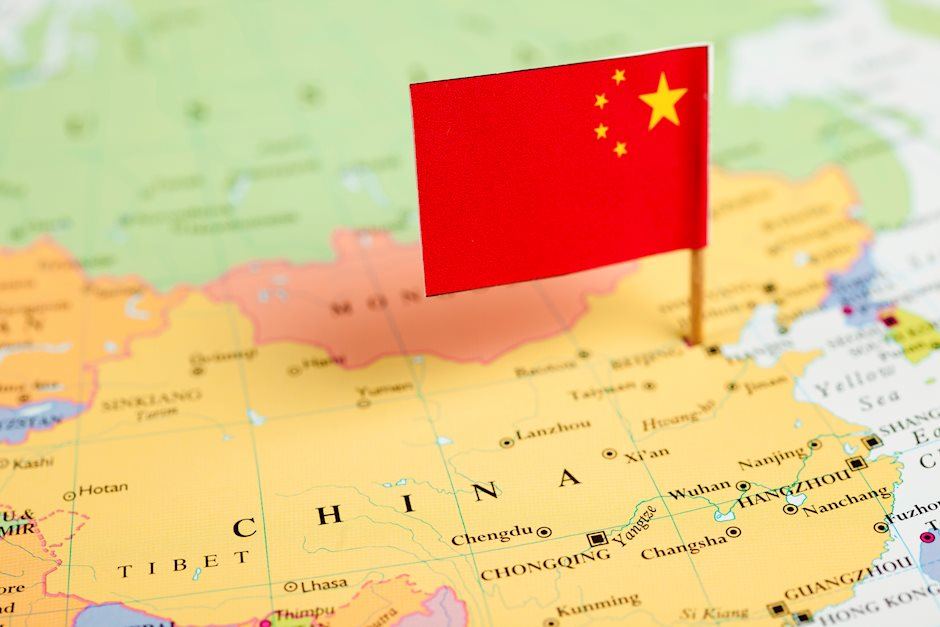

Asian markets are mostly down Wednesday, with investors on edge and wary of making big moves in local markets as the U.S. presidential election looms large with pre-election de-risking taking hold. Even China's rumoured 10 trillion yuan ($1.4 trillion) stimulus plan is getting a lukewarm reception as investors weigh its potential impact—or lack thereof—on the broader economy. According to reports, this package aims to tackle local government debt issues rather than pump funds directly into economic growth drivers, with around 6 trillion yuan going toward local government debt relief and 4 trillion yuan earmarked for special bonds targeting property and land purchases.
The real question is whether this will effectively stimulate China’s economy. Most of this reported borrowing seems to focus on debt cleanup, which may only provide indirect economic relief, especially in cash-strapped local governments.
In Asian FX markets, currencies saw some relief as the dollar softened slightly alongside a dip in U.S. Treasury yields. But caution is warranted: Trump is leading in betting odds, and swing state races are tightening. Election jitters are hitting the bond markets, keeping Treasury yields elevated. A potential Trump victory could bring back his trademark tariff policies, which could pressure the Asian market further when and if they go live.
Meanwhile, U.S. job openings (JOLTS) data came in weaker than expected, dropping to 7.4 million from 7.9 million. More telling were the details: the quit rate and job vacancy rates also softened to 1.9% and 4.5%, respectively, signaling to the Fed that the labor market may be gradually cooling. This could embolden the Fed to consider bolder rate cuts despite election uncertainties. But with bond markets keeping one eye on the election and the other on the jobs markets, a wild ride may be ahead.
Oil prices ticked up slightly, buoyed by China’s stimulus speculation, but bears still hold the reins as the geopolitical risk premium fades following Israel’s limited strike on Iran. Prime Minister Netanyahu’s recent comments about a diplomatic approach in Lebanon, coupled with a possible Gaza ceasefire, have traders recalibrating. With tensions cooling, the market’s focus shifts back to OPEC’s upcoming production hike in December and China’s sluggish demand.
China’s role as a potential market “savior” seems unlikely this time. Structural changes in China’s automotive industry, particularly the rapid rise of electric vehicles (EVs), are dampening gasoline demand. Beijing’s directive for government agencies to have EVs account for at least 30% of new purchases reflects a broader trend that could significantly impact oil demand. Some projections suggest EV adoption could slash China’s oil needs by 250,000 to 350,000 barrels per day—or possibly even 400,000 barrels daily by the end of 2024.
With these shifts gaining traction, oil markets may encounter even more downward pressure heading into the new year.
Author
Stephen Innes
SPI Asset Management
With more than 25 years of experience, Stephen has a deep-seated knowledge of G10 and Asian currency markets as well as precious metal and oil markets.

















