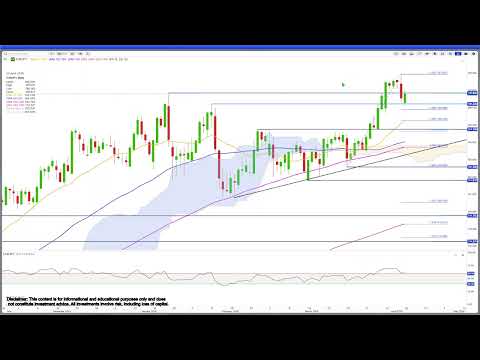
Are corrections in EUR/USD and GBP/USD over or continue lower? [Video]
![Are corrections in EUR/USD and GBP/USD over or continue lower? [Video]](https://editorial.fxsstatic.com/images/i/GBPUSD-bullish-object.png)
Author

Kim Cramer Larsson
KCL Consult
Kim Cramer Larsson hosts the Daily Technical Update, a daily 15-20 minutes video with live charts.
More from Kim Cramer Larsson
Author
Kim Cramer Larsson
KCL Consult
Kim Cramer Larsson hosts the Daily Technical Update, a daily 15-20 minutes video with live charts.

USD/JPY remains close to the 160.50 intervention zone during the Asian session on Wednesday. Despite the BoJ's rate hike to its highest level since 1995, Japan's borrowing costs remain significantly lower than those of peer nations such as the US. Moreover, the BoJ's more cautious stance on bonds undermines the Japanese Yen and supports the currency pair. Meanwhile, the US Dollar remains on the back foot amid the optimism over the US-Iran peace deal and ahead of the Fed policy decision, capping spot prices.

AUD/USD is seen consolidating above mid-0.7000s during the Asian session as traders await the outcome of a two-day FOMC meeting later this Wednesday. In the meantime, the optimism over an interim peace deal between the US and Iran keeps the US Dollar bulls on the defensive. This, along with the RBA's hawkish pause on Tuesday, acts as a tailwind for the currency pair.

Gold preserves weekly gains registered over the past two days, though it remains below a technically significant 200-day SMA through the Asian session on Wednesday. Traders now seem hesitant and are keenly awaiting the highly anticipated Fed rate decision before placing fresh directional bets. In the meantime, the US-Iran interim peace agreement keeps the US Dollar bulls on the defensive, which might continue to act as a tailwind for the bullion.

Ethereum large holders have leveraged the price dip from the past two weeks to expand their holdings. Wallets with a balance of 10K-100K ETH have added roughly 510K ETH to their collective balance since June 5, when the top altcoin approached the $1,500 level. This dip-buying pressure has partly helped push ETH toward $1,800.

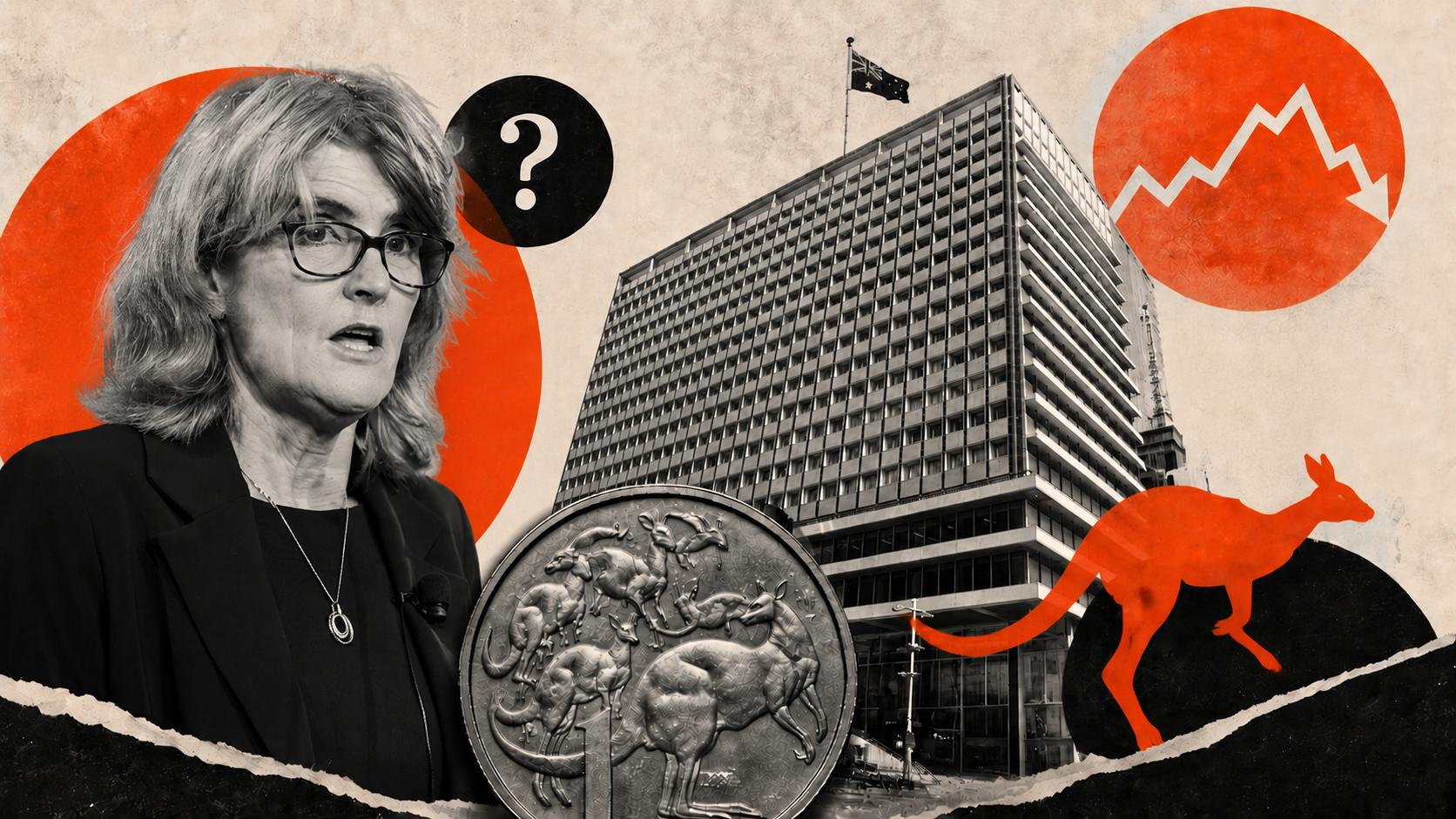
The Reserve Bank of Australia delivered more than what markets expected: a hawkish hold that should have supported the Aussie. But markets widely ignored it, focusing instead on slowing economic growth and proving that central bank messaging alone isn’t always enough to drive currencies.











