And suddenly, Fed’s urge to cut rates evaporates
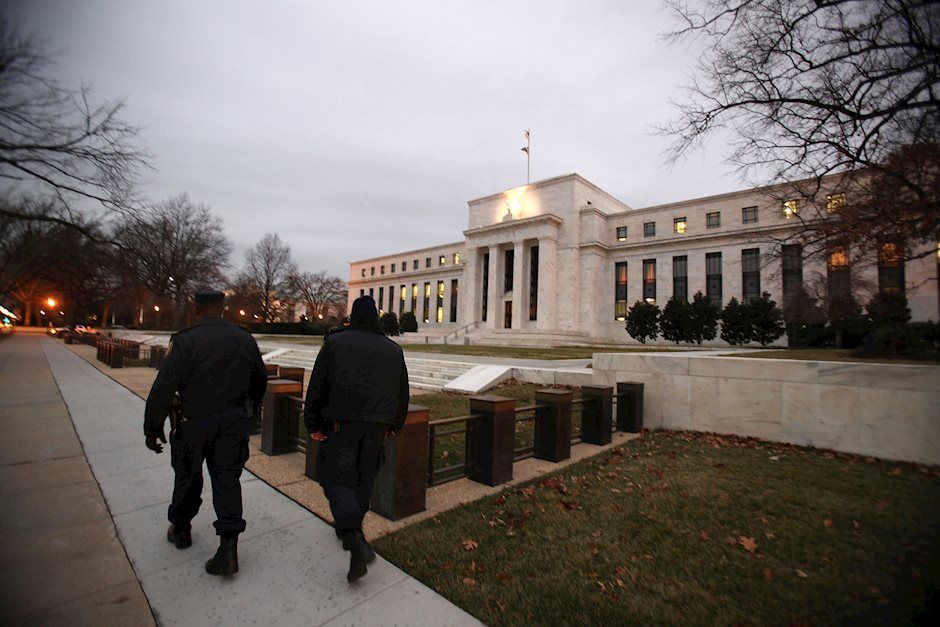

Federal Reserve’s (Fed) Jerome Powell, who leads a team that started cutting the interest rates with a 50bp point in September by fear that the US jobs market would deteriorate quickly and added another layer of 25bp cut last week, said that ‘the economy is not sending any signals that [they] need to be in hurry to lower the rates’. Maybe, the plans have changed after Trump’s election on rising inflation risks due to pro-growth policies and tariffs.
And beyond Trump, the inflation data released this week wasn’t that encouraging, either. The US headline inflation rebounded from 2.4% to 2.6% parallel to market expectations, while yesterday’s surprised to the upside, with both headline and PPI data printing figures above the market expectations. On top, the initial jobless claims came in lower than expected. All in all, the Fed is coming to the realization that cutting rates hurriedly was not a brilliant idea, and the first thing to do now is to do nothing in December. The probability of a December cut went from 60 to 80%, and is back to around 60% in the aftermath of this week’s data and comments. The US 2-year yield consolidates near 4.35%, the 10-year yield flirted with the 4.50% level, with treasury sceptics eyeing an easy advance to the 5% mark, and the US dollar extended gains to the highest levels in more than a year, supported by the hawkish shift in Fed expectations. The price action makes sense, but the fact that the US dollar has now stepped into the overbought territory will likely slow the short-term demand for the US dollar and could lead to a minor correction. But the price pullbacks should continue to be interesting dip-buying opportunities for the dollar bulls looking for a further extension of gains against majors.
The EURUSD tipped a toe below the chilly 1.05 level yesterday, on the back of a stronger dollar and a 2% decline in Eurozone’s industrial production, but rebounded to 1.0540, as the market hasn’t yet digested the idea that the EURUSD – which was testing the 1.10 offers 6 weeks ago – is now diving below the 1.05 mark. But once the information is digested, the move could materialize. There is a louder call for a 50bp cut in December from the European Central Bank (ECB), and some start talking about a 75bp cut – which I think is clearly not happening. But the Stoxx 600 saw support yesterday, partly thanks to more aggressive ECB rate cut expectations that support valuations and partly thanks to a nearly 3% jump in ASML after the company projected a sales growth between 50 and 100% - yes that’s the prediction range: 50 to 100% growth in sales.
Oil remains offered
Crude oil’s positive attempt yesterday remained short-lived, again, and the barrel of US crude is drilling below the $68pb at the time of writing, despite encouraging retail sales data from China. The USDCAD extends gains above the 1.40 mark and the USDJPY consolidates and extends gains above the 156 mark, with bears eyeing a further rise toward the 160 mark, where authorities would say stop to the bleeding with a direct intervention.
Meli-melo of other news
Disney jumped more than 6% yesterday on better than expected Q3 results, especially for its streaming business, but the rest of the market didn’t look as great. The S&P500, Nasdaq, Dow Jones and Russell 2000, they all fell yesterday on Powell saying – all of a sudden – that there is no need to hurry with the rate cuts. Tesla fell nearly 6% on news that Trump would eliminate the $7500 consumer tax credit for EV. But wait, because Tesla is already profitable, it is better positioned than the rest of the EVs to thrive.
The week will end with the UK GPD, a few more inflation numbers from the Eurozone and US retail sales and industrial production data. The incoming data could give an immediate reason to buy more dollars, or let the dollar soften to buy a dip. But in all cases, the outlook for the US dollar remains comfortably positive as the week comes to an end.
Author
Ipek Ozkardeskaya
Swissquote Bank Ltd
Ipek Ozkardeskaya began her financial career in 2010 in the structured products desk of the Swiss Banque Cantonale Vaudoise. She worked in HSBC Private Bank in Geneva in relation to high and ultra-high-net-worth clients.