American FX Outlook: Factory gate inflation and NY Fed President headline the day

What you need to know before markets open:
- Cryptocurrencies trade down across the board as South Korea plans to make exchanges illegal.
- Reports of the UK losing massively in terms of the labor market, investment and output should disorderly Brexit materialize haunt UK Prime Minister Theresa May as she meets business and finance leaders at Downing Street 10.
Thursday’s market moving events
- The ECB monetary policy meeting minutes. After the ECB said in November that it will cut its asset purchasing program in half since beginning of 2018, the December meeting became a formality with silence of Doves louder than the scream of monetary Hawks
- The US core PPI excluding food and energy is expected to accelerate to 2.5% y/y in December.
- The US weekly jobless claims are seen falling to 245K in the week ending January 5.
- Canadian new house price index is expected to rise 0.2% m/m in November
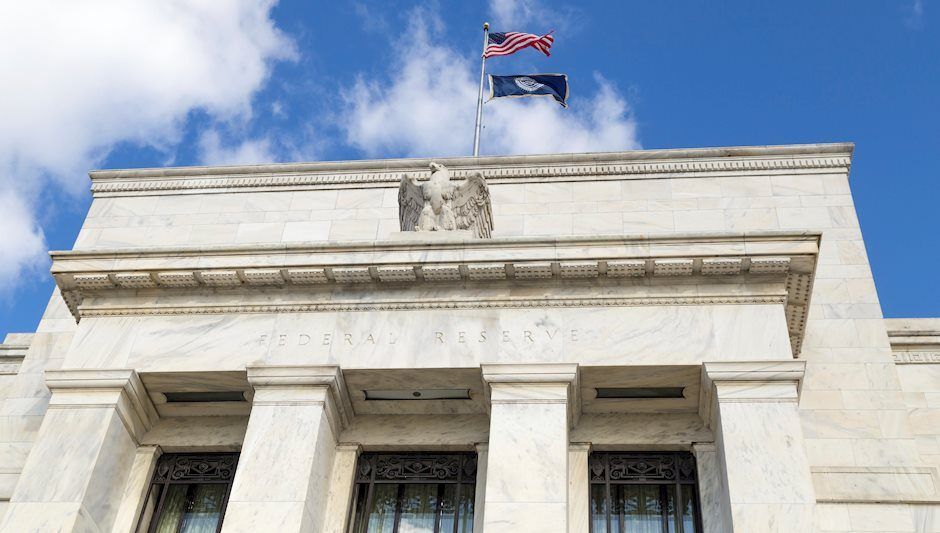
- New York Federal Reserve Bank president William Dudley is scheduled to speak about the economic outlook at the Securities Industry and Financial Markets Association, in New York at 20:30 GMT.
Major market movers
- The major FX pairs absorbed China-related shock fully to trade little changed relative to mid-Wednesday levels.
- Weekly US jobless claims data and the US factory gate inflation are unlikely to spur major market reaction and New York Fed president speaks later on Thursday and the US CPI and Retail sales data are scheduled for Friday.
Earlier in Asia/Europe
- Spanish industrial production rose 4.2% y/y in November, beating the expectations.
- The reports saw the UK losing 482 thousand jobs, £50 billion in investment and £55 billion in output should the UK government fail to reach the orderly deal with the European Union on conditions of Brexit.
- The Eurozone industrial production rose 1.0% m/m in November exceeding estimates.
- The German full-year GDP rose 2.2% in 2017
Author
Mario Blascak, PhD
Independent Analyst
Dr. Mário Blaščák worked in professional finance and banking for 15 years before moving to journalism. While working for Austrian and German banks, he specialized in covering markets and macroeconomics.
More from Mario Blascak, PhD

















