African countries are turning to Gold
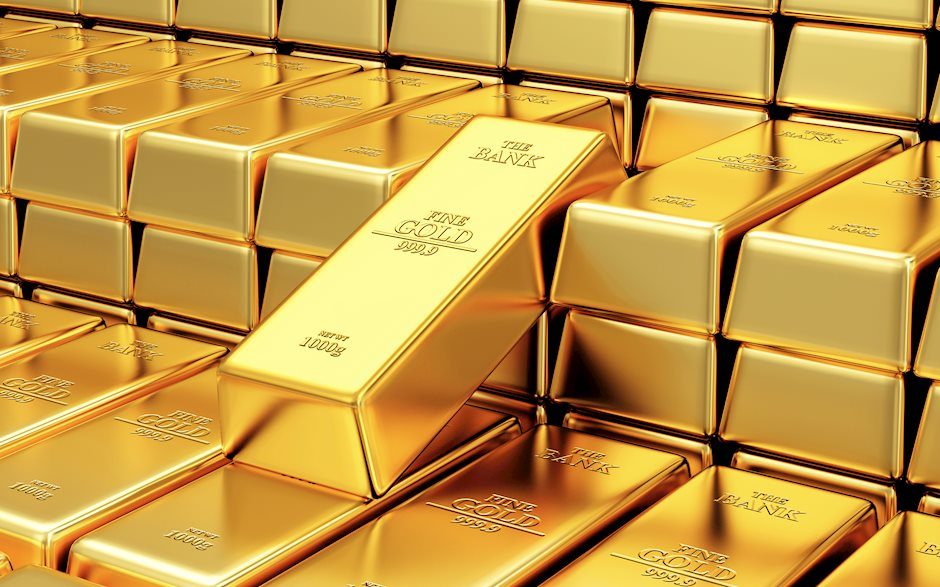

A growing number of African countries are turning to gold to hedge geopolitical risk and protect against currency losses.
Nigeria, Uganda, Zimbabwe, Madagascar, and several other African nations have made moves to increase gold reserves, bring their gold home, and even back their currencies with the yellow metal.
South Sudan is the latest country to turn to gold. Last weekend, the country's central bank governor said he plans to expand the country's gold reserves.
"We are in the stage of preparing policy documents and studying examples of other countries and lessons drawn.”
Earlier this month, the Ugandan central bank announced a domestic gold-buying program to purchase gold directly from local artisanal miners to help "address the risks in the international financial markets."
In June, Tanzania announced a plan to spend $400 million on six tons of gold. Tanzania Finance Minister Dr. Mwigulu Nchemba also issued a directive to curb the widespread use of the U.S. dollar in the country.
Nigeria has launched a domestic gold-buying plan to bolster its reserves. In addition to buying locally sourced gold, the Nigerian central bank has announced plans to bring its existing gold reserves back into the country “to mitigate risks associated with the weakening U.S. economy.”
“Economic indicators such as rising inflation, escalating debt levels, and geopolitical tensions have raised apprehensions among Nigerian policymakers about the stability of the U.S. financial system.”
Last year, the Central Bank of Madagascar implemented a domestic gold purchases program as income from vanilla exports declined.
As an analyst explained to Bloomberg, “Central banks can add gold to their official reserves using their local currency, allowing them to grow reserve assets without having to sacrifice other hard-currency reserves."
Meanwhile, a presidential candidate in Ghana recently said he would back the country’s currency with gold if he wins the election.
“Ultimately, my goal is that we are going to back our currency with gold and that is where I want us to go, increasingly backing our currency with gold.”
This would follow the lead of Zimbabwe, which created a gold-backed currency earlier this year. The ZiG (Zimbabwe gold; ZiG; ZWG) replaced the Zimbabwean dollar (RTGS; 1980-2008: ZWL). The currency is a “structured currency” backed primarily by gold but also by other forex reserves including U.S. dollars (USD).
To some degree, African leaders and central bankers are trying to fix problems they created by printing too much money and running up dollar-denominated debt. But they are also concerned about America's weaponization of the dollar and other risks associated with the greenback including the profligate spending and growing national debt.
A Tellimer (Dubai) emerging market equity strategy told Bloomberg the move makes sense.
"For countries taking a view that either the price of gold is going to go up, the price of the U.S. dollar is going to go down, or their access to U.S. dollars may be compromised by sanctions then increasing the allocation of gold in their reserves might make sense.”
To receive free commentary and analysis on the gold and silver markets, click here to be added to the Money Metals news service.
Author
Mike Maharrey
Money Metals Exchange
Mike Maharrey is a journalist and market analyst for MoneyMetals.com with over a decade of experience in precious metals. He holds a BS in accounting from the University of Kentucky and a BA in journalism from the University of South Florida.