A word on Jay Powell’s nomination and the muted market responce
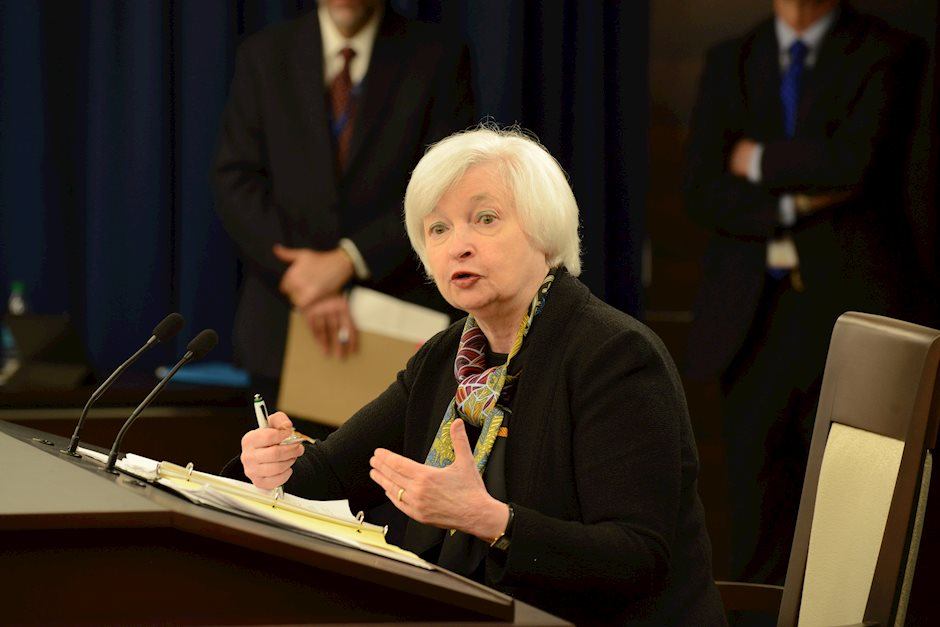

The likely nomination of Jay Powell to the chief position at the Federal Reserve is expected to be confirmed by Trump later today. This is seen as a continuity choice since Powell has been a member of the FOMC since 2012 and he has always voted alongside Yellen. The initial market reaction has been higher US stocks, lower gilt yields and
Could the vice-chair nominee be the bigger shock for markets?
However, we should not get too complacent, as the chair position is not the only one up for grabs at the Fed. There is still a vice chair that needs to be filled along with four other Fed seats, so Trump and the Republicans could yet shake up the Fed.
If Trump decides to announce John Taylor as the vice chair then we could see expectations about the future direction of the Fed shift sharply. Based on his ‘Taylor rule' interest rates should be much higher so Taylor's addition to the Fed would be a seen as a major changing of the guard even if he is only vice-chair.
Why aren't US banks rejoicing at Powell's nomination?
The market reaction to Powell as nominee has been muted so far. The dollar is higher today, although that is more to do with GBP weakness rather than organic dollar strength, which is reflected in the weakness in Treasury yields, which have fallen further to 2.35%. The S&P 500 banking index has also brushed off Powell's nomination even though he is considered to be soft on financial market regulation. If he is confirmed as Chair we believe that this could impact the banking sector in the US more so than the Republican tax reform which has been greeted by the markets with a definitive ‘mhew'. The prospect of tax reform has been discounted by the markets over recent months anyways, which is another reason why Powell and his regulatory stance could be the next main driver of US banks in the coming months.
Overall, we expect the Powell nomination to be taken in the market's stride, but as we mention above, it is the other positions that could really shake things up at the Fed, so we wait and see who is next to be nominated to the board.
Carney drains volatility from the GBP market
Elsewhere, we have already spoken about the impact of the BOE's first rate hike for a decade – the pound tanked on the news. Mark Carney's speech 30 mins after the data release had a mildly negative impact on the pound, however the bulk of the move was over by then, and GBP/USD seems to be settling down around the 1.31 mark, which also corresponds with the 100-day sma. Carney drained the market of volatility when he started speaking, however he managed to hike rates while at the same time push the pound lower. This has become something of a habit among major central bankers: the Fed has hiked rates even though the dollar is one of the weakest performers in the G10 FX space this year, and the ECB managed to slice its asset purchases while at the same time driving down the euro last week. Carney has merely played the same game that plenty of central bankers' have been doing before him. Although we doubt that the BOE will maintain rates at 0.5%, any hike, at this stage, is likely to be gradual, even though we think the BOE could hike twice more in 2018. If you remember the Fed's first rate hike back in 2015, they said that rates would rise slowly at first, but then embarked on a rate hiking cycle. The BOE could do the same.
Overall, we think that there is a risk that the BOE is too pessimistic about the UK's growth outlook, however that isn't the main story for the pound right now. The path of least resistance is lower for sterling and GBP/USD may fall below 1.30 in the coming weeks, while 0.90 remains on the cards for EUR/GBP.
Author
Kathleen Brooks
XTB UK
Kathleen has nearly 15 years’ experience working with some of the leading retail trading and investment companies in the City of London.