A smaller drop than feared, but production slumps to 2020 levels


Summary
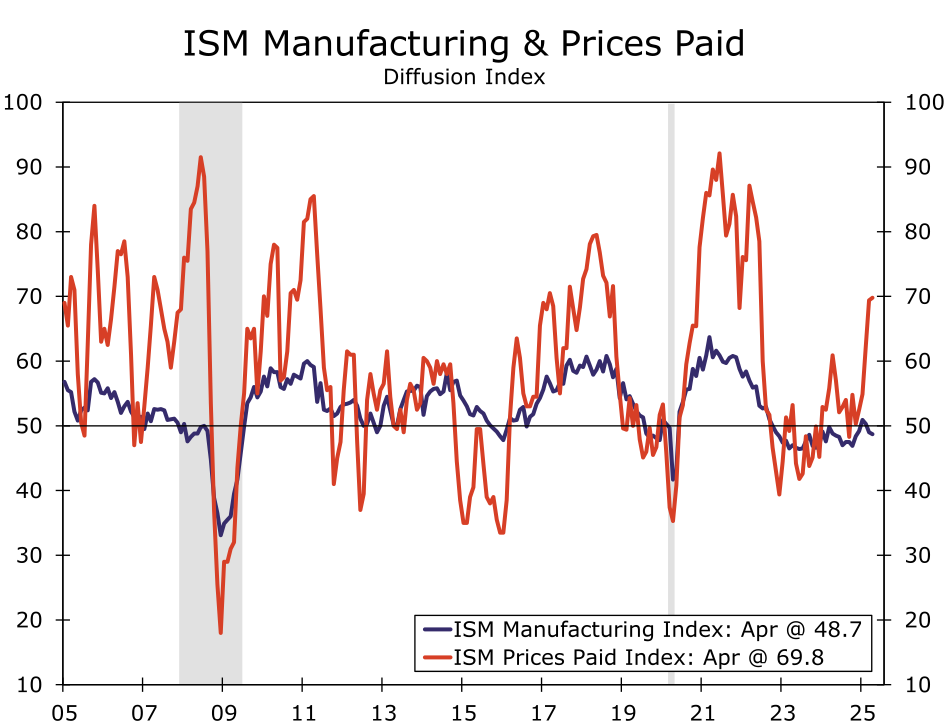
Manufacturing activity as measured by the ISM index fell for a third straight month to put this yardstick for American manufacturing back to where it was in November, and production slowed to levels last seen during the height of the pandemic.
Source: Institute for Supply Management and Wells Fargo Economics
Production activity is back to May 2020 levels
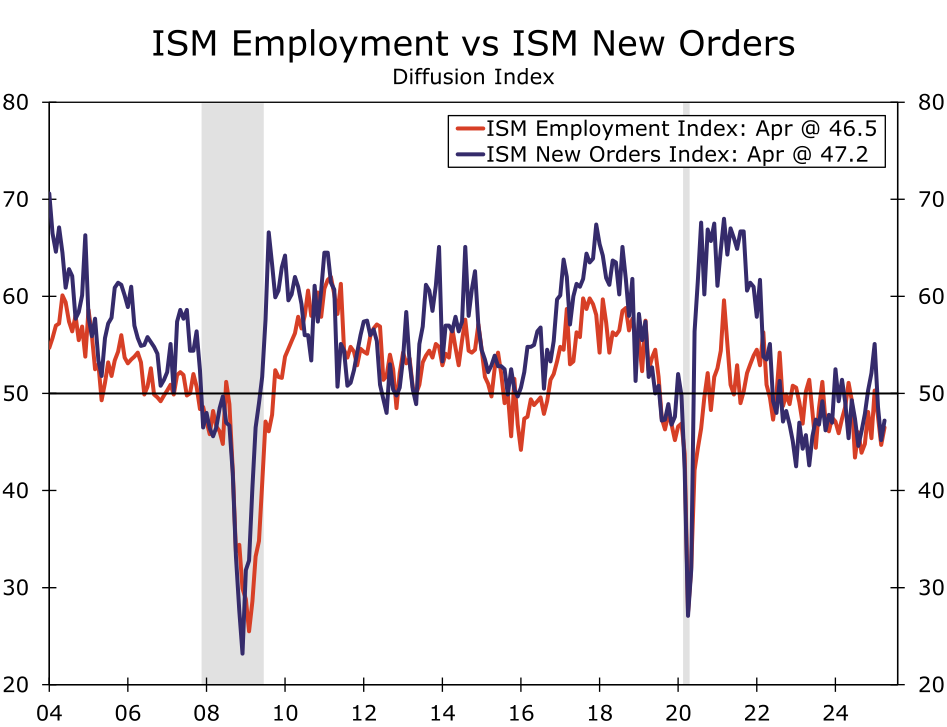
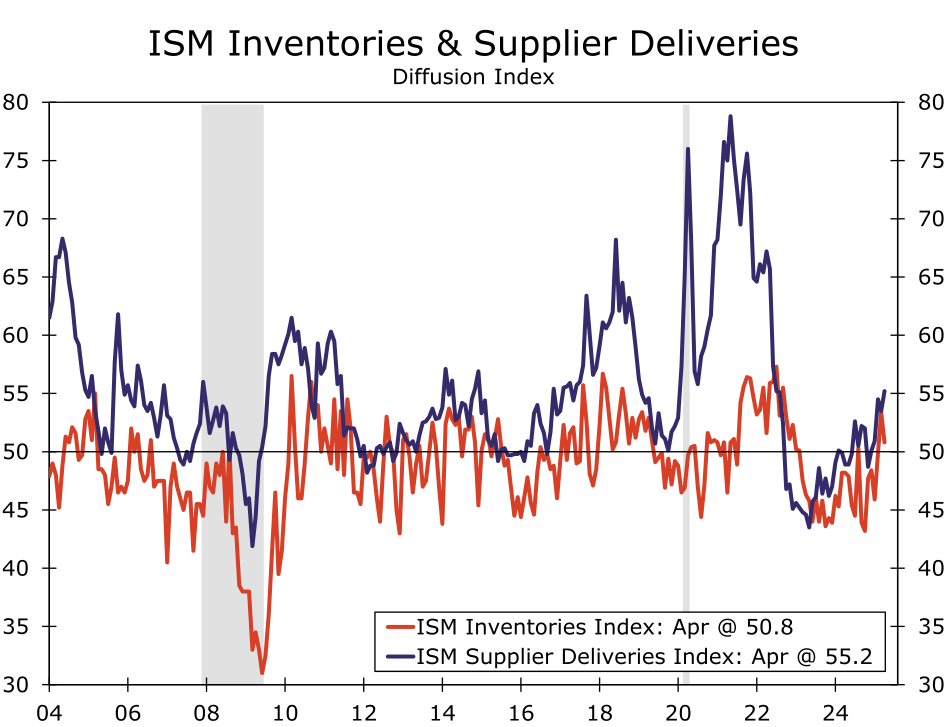
Tariff-induced uncertainty continues to weigh on the manufacturing sector. The ISM Manufacturing Index fell to 48.7 in April, down a modest 0.3 points from the March report. Yet the manufacturing sector looks to have left behind its brief expansionary period experienced at the start of the year. The index fell below the mark of 50 that denotes contraction from expansion for a second straight month. Of the five major components that feed into the headline ISM, the current production index fell the most, dropping over four points to 44.0, or the lowest index reading since May 2020. New orders was one of the few components to increase during the month, but at 47.2 is still consistent with a contraction in orders (chart). The only other component to pick up was supplier deliveries, an indication of longer wait times among manufacturers.
Labor market and employment trends
The employment component rose 1.8 points to 46.5 in April, but this is still consistent with layoffs in the manufacturing sector. We'll get the full nonfarm payroll employment report tomorrow where we expect to see overall hiring slowed but remained positive during the month. While widespread weakness in the labor market has yet to manifest itself, there are some cracks appearing in the foundation. A private sector estimate of April payroll growth released yesterday came in much weaker than expected. Layoffs are not yet widespread although separately released data this morning showed an uptick in the number of people seeking unemployment insurance through last week-though it still remains within recent ranges. For now, the labor market is merely moderating, and the big question today is if tariff-induced costs push consumer to stop spending and businesses into shedding their workforce.
Source: Institute for Supply Management and Wells Fargo Economics
Source: Institute for Supply Management and Wells Fargo Economics
Tariffs, prices, and supply chain impacts
Further, this tariff-induced anxiety is leading purchasing managers to report higher prices. The prices paid index inched up to 69.8 in April, which is consistent with the top-end of the pre-pandemic range (chart). With tariff concerns leading to a pull forward in demand, cost pressure is building for manufacturers.
Across every industry in today's report, tariffs are a top-of-mind consideration with every single selected industry comment in this month's report mentioning tariffs. A respondent from the food, beverage and tobacco products industry summed up the broad sentiment by noting: "The most important topic is tariffs. Risks include margin erosion due to rising operational costs and freight delays disrupting delivery timelines. Supplier relationships are strained by pain-share negotiations, and competitors are gaining share by importing from lower-tariff regions." Notably, a pull forward in demand for goods has led to some firms to look to build inventories, evidenced by the inventories component sitting in expansion for a second consecutive month (chart). At the same time, this pull forward in demand and inventory stockpiling is putting added pressure on supply chains. As previously mentioned, the supplier deliveries component of the release rose 1.7 points to 55.2 in April, indicating that delivery times for orders are getting longer.
Author
Wells Fargo Research Team
Wells Fargo