A new era for the Australian Dollar: Something has changed Down Under
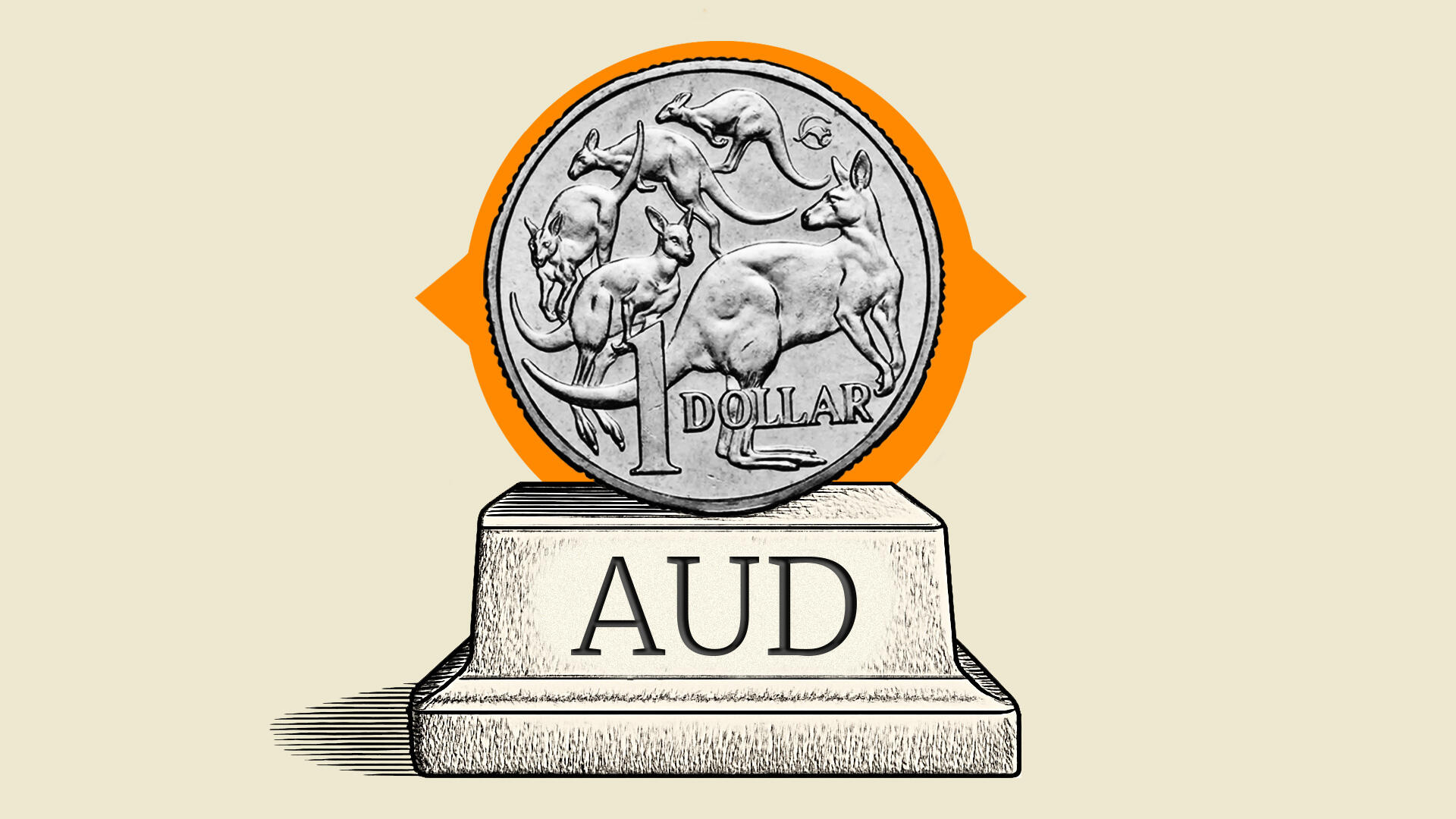
Something is moving around the Australian Dollar for the first time in years.
The sellers’ fave no more
AUD/USD is gaining momentum after fresh Australian inflation data came in hot, reinforcing the Reserve Bank of Australia’s hawkish stance and fuelling a major shift in speculative positioning.
For the first time in years, hedge funds have flipped from heavy net short positions to net long Australian Dollar exposure, a potential signal that the bearish regime in the Aussie is starting to crack.
With China stabilising and USD/CNH trading more calmly, the macro backdrop around the Australian Dollar is shifting in ways that markets can’t ignore.
Inflation stays sticky, RBA stays hawkish
Australia’s latest inflation figures reinforced what the RBA has been signalling for months: price pressures remain uncomfortably elevated.

While headline numbers may fluctuate month to month, underlying measures continue to run above target. That matters because the RBA has made it clear it is not ready to declare victory. The central bank’s communication has leaned firm, emphasising that policy must remain restrictive for as long as necessary.
For currency markets, that means:
- Rate cuts are not imminent.
- Yield differentials are not collapsing.
- The carry profile of AUD remains supported.
In a world where some central banks are preparing to ease, the RBA’s stance stands out.
Speculators flip: From mega bearish to net long
The more striking development is in positioning.
For much of the past cycle, hedge funds and leveraged accounts maintained deep net short positions in AUD futures. The Aussie was the clean expression of Chinese pessimism, global slowdown fears and broad USD strength.
That dynamic has now reversed. Speculative positioning has shifted from persistent net shorts to net longs – a sustained bullish reading not seen since late 2018, with the exception of a few brief periods in April 2021 and late 2024. This kind of positioning flip is rarely random. It typically signals:
- A structural reassessment of macro risks.
- Reduced conviction in the bearish China narrative.
- Growing belief that the US Dollar’s upside is capped.

Importantly, once heavy shorts are cleared out, downside moves tend to become less violent. The overhang disappears.
China and USD/CNH: The external anchor
No AUD story is complete without China.
Recent Chinese data have not been spectacular, but they have been stabilising. That shift from “deteriorating” to “not getting worse” is often enough for markets.
USD/CNH has also traded in a more orderly fashion. A calmer offshore yuan reduces regional FX stress and tends to support risk-sensitive currencies like AUD. Historically, when USD/CNH stops grinding higher, the Australian Dollar finds breathing room.
If China avoids renewed downside shocks, the external backdrop for AUD improves materially.

Bottom line for traders
For years, selling rallies in AUD/USD was the easy trade. This was partly because China looked fragile, the US Dollar had carry and momentum, and speculators were heavily short and comfortable.
That comfort is gone. The combination of:
- Sticky Australian inflation
- A hawkish Reserve Bank of Australia
- A flip in speculative positioning from net short to net long
- And a steadier USD/CNH backdrop
…suggests the bearish regime in AUD may be breaking down.
This is not just a squeeze. The squeeze already happened, and it’s what early regime rotation looks like.
When positioning flips after years of one-sided bets, it often means macro conviction has shifted beneath the surface. To sum up: the market is no longer structurally leaning against the Aussie.
Could AUD/USD still correct? Of course. If China rolls over or the US Dollar catches a fresh bid, longs will get tested.
But the key difference is that dips may now attract buyers rather than emboldened sellers.
If the RBA stays firm and inflation refuses to cool meaningfully, the Aussie’s yield appeal remains intact. And if USD momentum continues to soften, AUD becomes one of the cleaner expressions of global stabilisation.
For traders, the mindset shift is crucial: stop asking whether this is another rally to fade and start asking whether the base is already in.
Note: the author has no long or short exposure to AUD at the time of writing. This analysis reflects macro positioning dynamics, not a trading recommendation.
Author

Pablo Piovano
FXStreet
Born and bred in Argentina, Pablo has been carrying on with his passion for FX markets and trading since his first college years.

















