RBNZ’s Orr: We considered a range of moves, consensus was for 25 bps
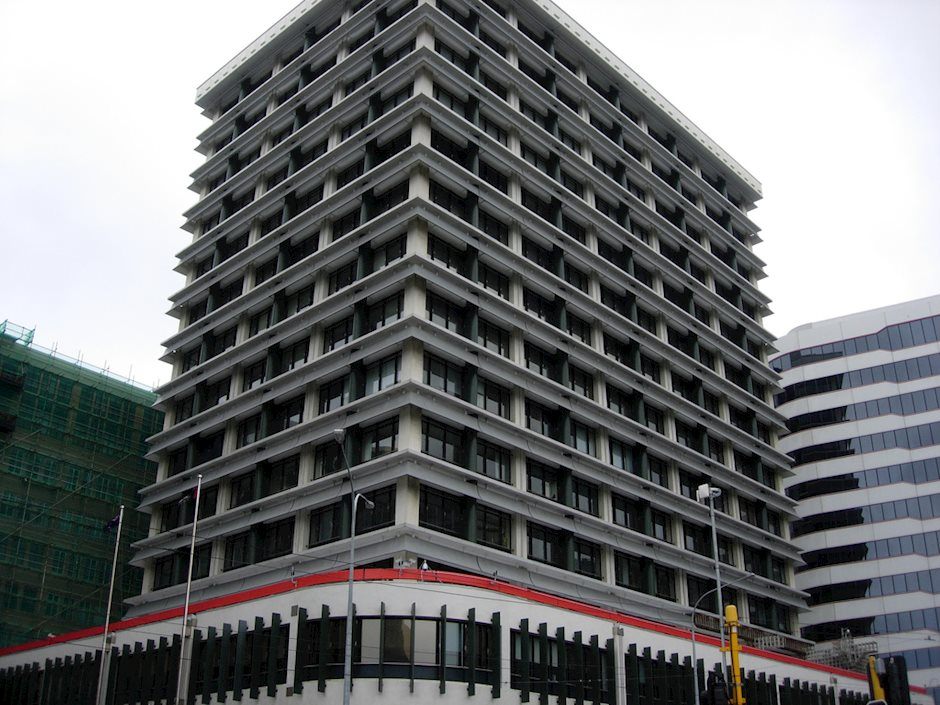

Reserve Bank of New Zealand’s (RBNZ) Governor Adrian Orr explains the dovish policy pivot at a press conference, following the surprise announcement of a 25 basis point (bps) interest-rate cut on Wednesday.
Orr is responding to questions from the press conference.
Key quotes
We are confident inflation back in its target band can commence re-normalize rates.
We considered a range of moves, consensus was for 25 bps.
Keen to see actual inflation data.
Rates not back at neutral in the forecast period.
We had no pressure from lawmakers on rates.
Projections show we are going back into period of low and stable inflation.
Broad range of indicators are consistently soft.
Reasonable first step for monetary easing, in strong position to move calmly.
Remarkably pleased with how economy has panned out with our forecasts.
High frequency data show economy weakening.
Its a good news story of pricing intentions changing.
Still have restrictive financial conditions.
Market reaction to RBNZ Orr’s presser
NZD/USD is accelerating its decline to near 0.6115 on Orr’s comments, down 1.05% on the day.
RBNZ FAQs
The Reserve Bank of New Zealand (RBNZ) is the country’s central bank. Its economic objectives are achieving and maintaining price stability – achieved when inflation, measured by the Consumer Price Index (CPI), falls within the band of between 1% and 3% – and supporting maximum sustainable employment.
The Reserve Bank of New Zealand’s (RBNZ) Monetary Policy Committee (MPC) decides the appropriate level of the Official Cash Rate (OCR) according to its objectives. When inflation is above target, the bank will attempt to tame it by raising its key OCR, making it more expensive for households and businesses to borrow money and thus cooling the economy. Higher interest rates are generally positive for the New Zealand Dollar (NZD) as they lead to higher yields, making the country a more attractive place for investors. On the contrary, lower interest rates tend to weaken NZD.
Employment is important for the Reserve Bank of New Zealand (RBNZ) because a tight labor market can fuel inflation. The RBNZ’s goal of “maximum sustainable employment” is defined as the highest use of labor resources that can be sustained over time without creating an acceleration in inflation. “When employment is at its maximum sustainable level, there will be low and stable inflation. However, if employment is above the maximum sustainable level for too long, it will eventually cause prices to rise more and more quickly, requiring the MPC to raise interest rates to keep inflation under control,” the bank says.
In extreme situations, the Reserve Bank of New Zealand (RBNZ) can enact a monetary policy tool called Quantitative Easing. QE is the process by which the RBNZ prints local currency and uses it to buy assets – usually government or corporate bonds – from banks and other financial institutions with the aim to increase the domestic money supply and spur economic activity. QE usually results in a weaker New Zealand Dollar (NZD). QE is a last resort when simply lowering interest rates is unlikely to achieve the objectives of the central bank. The RBNZ used it during the Covid-19 pandemic.
Author
Dhwani Mehta
FXStreet
Residing in Mumbai (India), Dhwani is a Senior Analyst and Manager of the Asian session at FXStreet. She has over 10 years of experience in analyzing and covering the global financial markets, with specialization in Forex and commodities markets.