Powell speech: We think we need to engage in a series of rate increases and let our balance sheet shrink
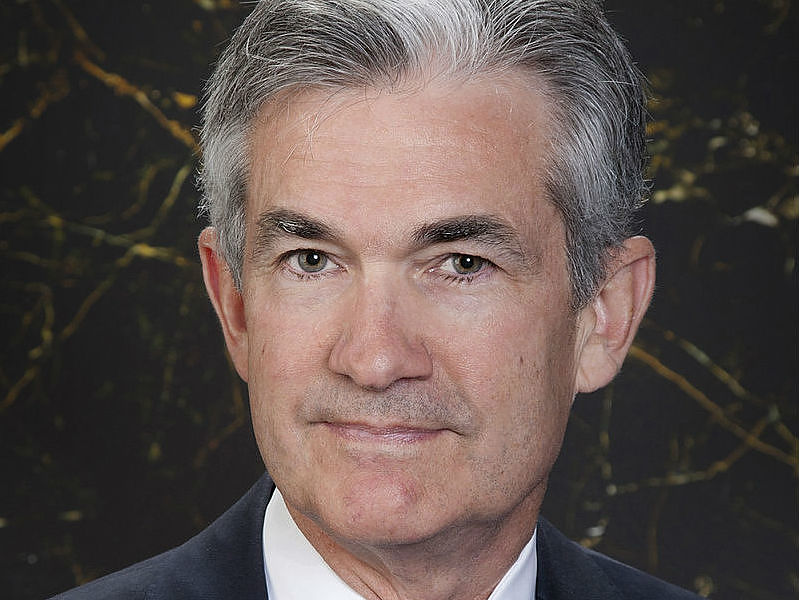

Fed Chair Jerome Powell, speaking before Congress on the first day of his semi-annual testimony, said that we think we need to engage in a series of rate increases and let our balance sheet shrink, reported Reuters.
Additional Remarks:
"Supply-side constraints are much more durable than expected."
"As this year has gone on, markets have reacted appropriately to our assessments."
"Inflation we are experiencing nothing like we have had in decades."
"Inflation is also different, as it is coming from the goods sector."
"The main focus the Fed has is conducting policy to return us to price stability while preserving the expansion."
"The Fed is humble about fact can't call with confidence a turn in inflation."
"We are hoping for relief on inflation."
"Our job is to achieve price stability one way or the other."
"The Fed has a widely developed framework for bank mergers and is continuing to implement that."
"Inflation is too high."
"We are working on getting inflation back under control."
"We do not know yet when we will start reduction of balance sheet."
"The Fed is doing everything it can do to protect itself from cyber attacks."
"We are on high alert for a cyber attack."
"The drop in labor force participation rate is contributing to wage inflation."
"The USD does benefit from being the world's reserve currency."
"There may be unintended effects of ejecting Russia from SWIFT."
"There are concerns over shortages of palladium and corn."
"It's difficult to know the effects of sanctions on Russia over time."
"There would be no direct effects on the US economy from Russian sanctions."
"The price of oil depends on where the Ukraine war goes."
"US financial markets are functioning well and with a great deal of liquidity."
"The Fed has institutionalized liquidity provision, which will support smooth market functioning amid current volatility."
Author
Joel Frank
Independent Analyst
Joel Frank is an economics graduate from the University of Birmingham and has worked as a full-time financial market analyst since 2018, specialising in the coverage of how developments in the global economy impact financial asset