|

Pound Sterling Price News and Forecast: GBP/USD climbs as soft US inflation data hurt Fed hawkish bets

British Pound climbs as soft US inflation data hurt Fed hawkish bets

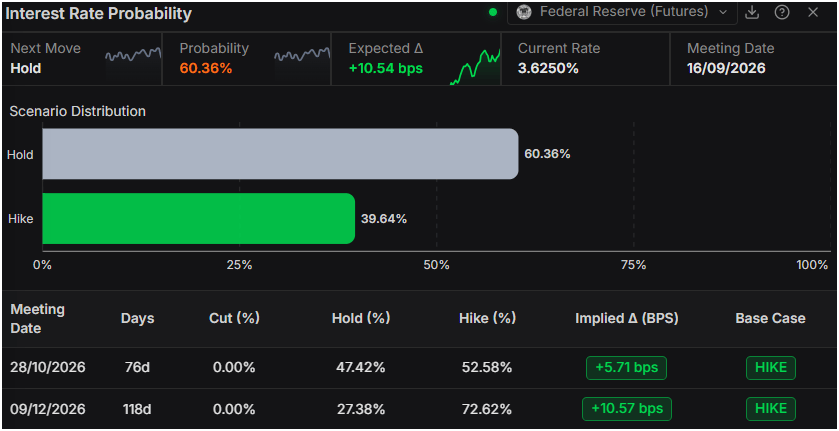
The Pound Sterling (GBP) registers modest gains versus the Greenback on Thursday as US inflation data in the producer side came in below or in line with estimates, showing that the disinflation process continues. At the time of writing, the GBP/USD pair trades at 1.3503, up 0.06%. Read More...
British Pound recovers early losses against US Dollar, US PPI data eyed

The British Pound (GBP) claws back its early losses against the US Dollar (USD) and flattens at around 1.3495 during the European trading session on Thursday. The GBP/USD pair bounces back as the US Dollar (USD) comes under pressure with investors prioritizing easing fears of the Federal Reserve’s (Fed) interest rate hikes in the near term over ongoing Middle East tensions. Read More...
British Pound drifts away from 1.3500 as UK GDP slows down and Industrial Production falls

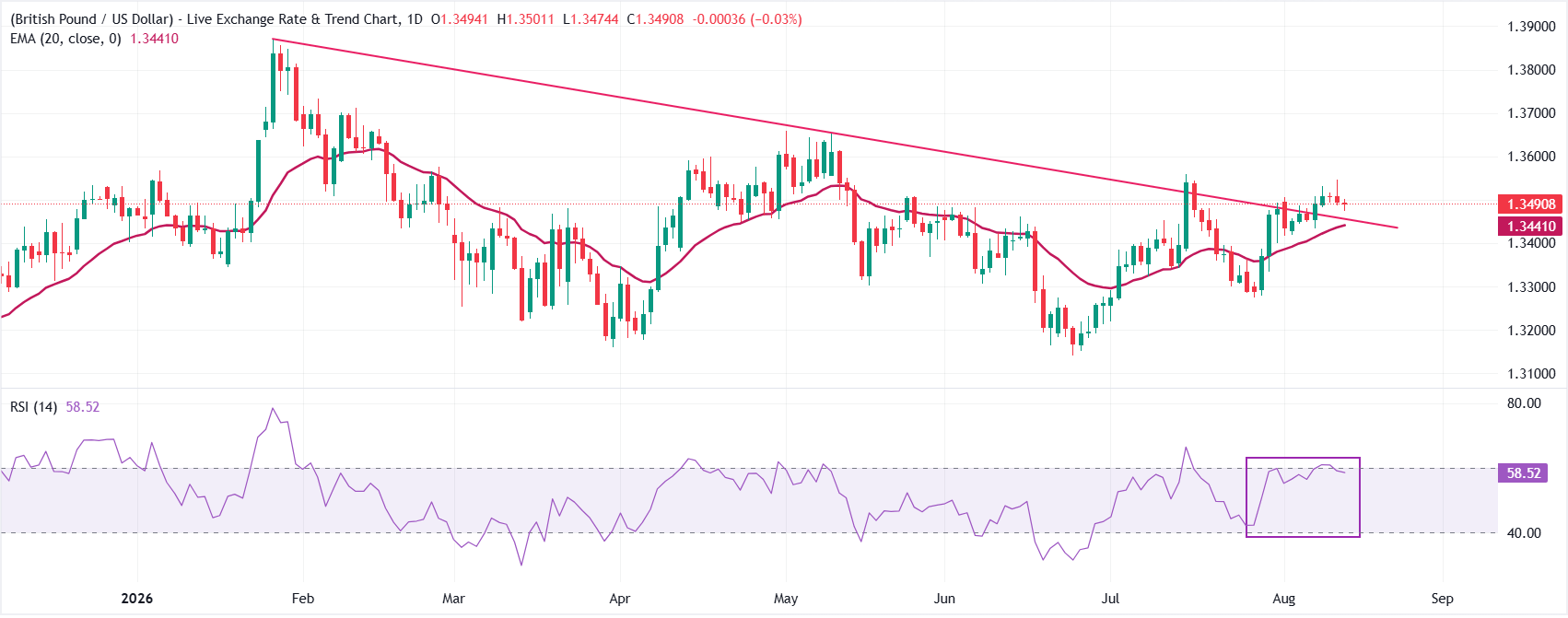
The British Pound (GBP) treads water against the US Dollar (USD), trading practically flat, a few pips below the 1.3500 level on Thursday's early London session. A rather positive UK Gross Domestic Product (GDP) report has been offset by downbeat factory output figures, while the US Dollar keeps wavering within range, as Federal Reserve (Fed) monetary tightening expectations shrink. Read More...

Author

FXStreet Team

Composed of a group of economic journalists and FX experts, the FXStreet content team produces and oversees all content published on FXStreet. It provides a purely journalistic approach to the Forex market.


More from FXStreet Team
Share:

Editor's Picks

AUD/USD battles 0.7000 amid bullish USD

AUD/USD keeps its offered tone intact near 0.7000 at the start of a new week, trading near its lowest level since August 4 amid a bullish US Dollar. US yields hold near multi-year highs amid inflation risks from higher oil prices and rising bets on an October Fed rate hike. This, along with the US-Iran standoff, continues to underpin the safe-haven buck and weigh on the pair ahead of Tuesday's RBA policy announcements.

USD/JPY climbs back toward 158.00 after BoJ minutes amid firm USD

USD/JPY finds dip-buyers and reverses part of Friday's slide driven by speculation that authorities will step in again to prop up the Japanese Yen. However, the BoJ's dovish Minutes cap the JPY. Meanwhile, the US Dollar regains traction as the US-Iran standoff supports crude oil prices, fueling inflation fears and reaffirming bets for an October Fed rate hike. This further supports the pair, driving it back toward 158.00.

Gold slides to $4,200 on Fed hike bets and Iran risks

Gold falls hard at the start of a new week, sliding back closer to $4,200 and the lower boundary of the monthly range. Firming October Fed rate-hike bets, along with oil-driven inflation risks, keep US bond yields elevated near multi-year highs, helping the US Dollar regain positive traction amid persistent Iran risks. These factors weigh heavily on the bullion.

Week ahead: Rate hike bets face a crucial data week
Despite the solid drop from the mid-September high, oil prices remained in the driver’s seat for another week, setting the tone in financial markets. Six months have passed since the late-February start of the US-Iran conflict, and there is still no breakthrough in the stalled talks, despite pressure from regional leaders and the rest of the world.
After the Trump Xi summit, markets are trading three clocks
The summit delivered time, not a deal. Trade, oil and chips now each run to a date, and the macro backdrop matters more than the pageantry. Markets wanted a deal and got a calendar date instead. Xi Jinping left Washington on Friday after tea at the White House and a tour of the National Archives.
Fed vs BoJ: Both hiked. The market only believes one of them – and the chart shows which

The Fed and the BoJ have just done something remarkably similar. Both central banks raised interest rates by 25 bps last week, both are confronting inflation risks, and both signal that future decisions will depend on incoming economic data.