China’s Commerce Ministry says trade ceasefire with US to be extended to January 2027
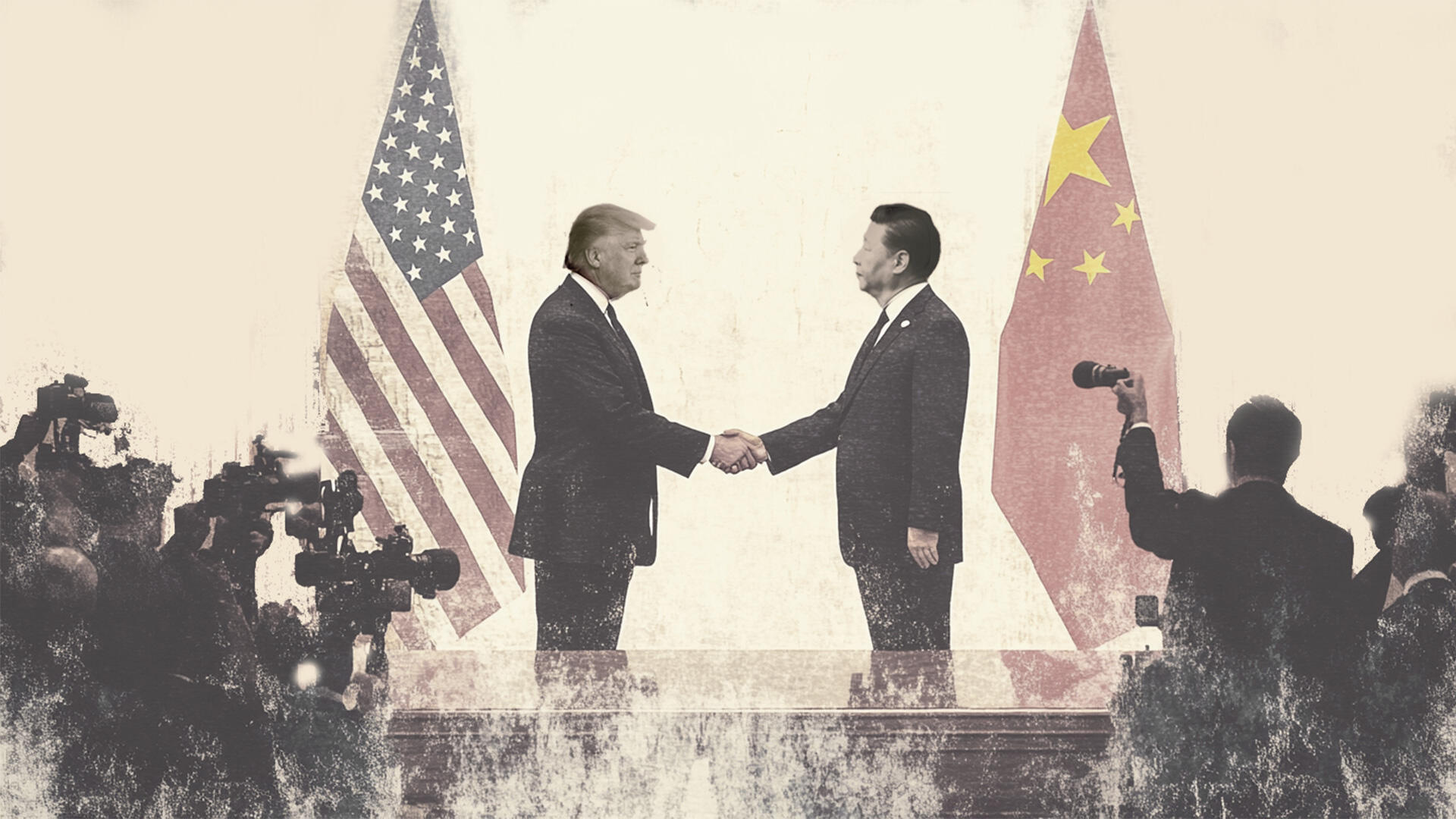
China’s Commerce Ministry said on Monday that the United States (US) and Chinese officials confirmed that the bilateral trade truce has been extended by two months, moving the expiration date from November 10 January 10, 2027.
Key quotes
Importing US coal complements domestic market, offers stable economic returns and jobs for US industry.
We look forward to expanding China-US collaboration in coal sector.
China and US agree to form agricultural working group.
Both parties agree to hold first agriculture working group meeting before end of 2026.
China will review and approve applications from financial service institutions worldwide, including those with US capital, to operate and open branches.
China expects US to offer fair, transparent, and stable policy environment for Chinese financial institutions.
China, US agree to set up communication channel for AI incidents.
Both parties agreed to maintain dialogue on boosting China-US flights and related issues.
Trade ceasefire with US to be extended to January 2027.
Trade truce offers room for both sides to review and evaluate joint arrangement implementation and explore ways to boost China-US economic and trade relations.
Both sides likely to keep working on positive solution for continued extension via high-level economic and trade talks before year-end.
Both sides agree to keep talks on boosting China-US flights and related issues.
Market reaction
At the time of writing, the AUD/USD pair is down 0.08% on the day at 0.7018.
US-China Trade War FAQs
Generally speaking, a trade war is an economic conflict between two or more countries due to extreme protectionism on one end. It implies the creation of trade barriers, such as tariffs, which result in counter-barriers, escalating import costs, and hence the cost of living.
An economic conflict between the United States (US) and China began early in 2018, when President Donald Trump set trade barriers on China, claiming unfair commercial practices and intellectual property theft from the Asian giant. China took retaliatory action, imposing tariffs on multiple US goods, such as automobiles and soybeans. Tensions escalated until the two countries signed the US-China Phase One trade deal in January 2020. The agreement required structural reforms and other changes to China’s economic and trade regime and pretended to restore stability and trust between the two nations. However, the Coronavirus pandemic took the focus out of the conflict. Yet, it is worth mentioning that President Joe Biden, who took office after Trump, kept tariffs in place and even added some additional levies.
The return of Donald Trump to the White House as the 47th US President has sparked a fresh wave of tensions between the two countries. During the 2024 election campaign, Trump pledged to impose 60% tariffs on China once he returned to office, which he did on January 20, 2025. With Trump back, the US-China trade war is meant to resume where it was left, with tit-for-tat policies affecting the global economic landscape amid disruptions in global supply chains, resulting in a reduction in spending, particularly investment, and directly feeding into the Consumer Price Index inflation.
Author

Lallalit Srijandorn
FXStreet
Lallalit Srijandorn is a Parisian at heart. She has lived in France since 2019 and now becomes a digital entrepreneur based in Paris and Bangkok.