After the Trump Xi summit, markets are trading three clocks
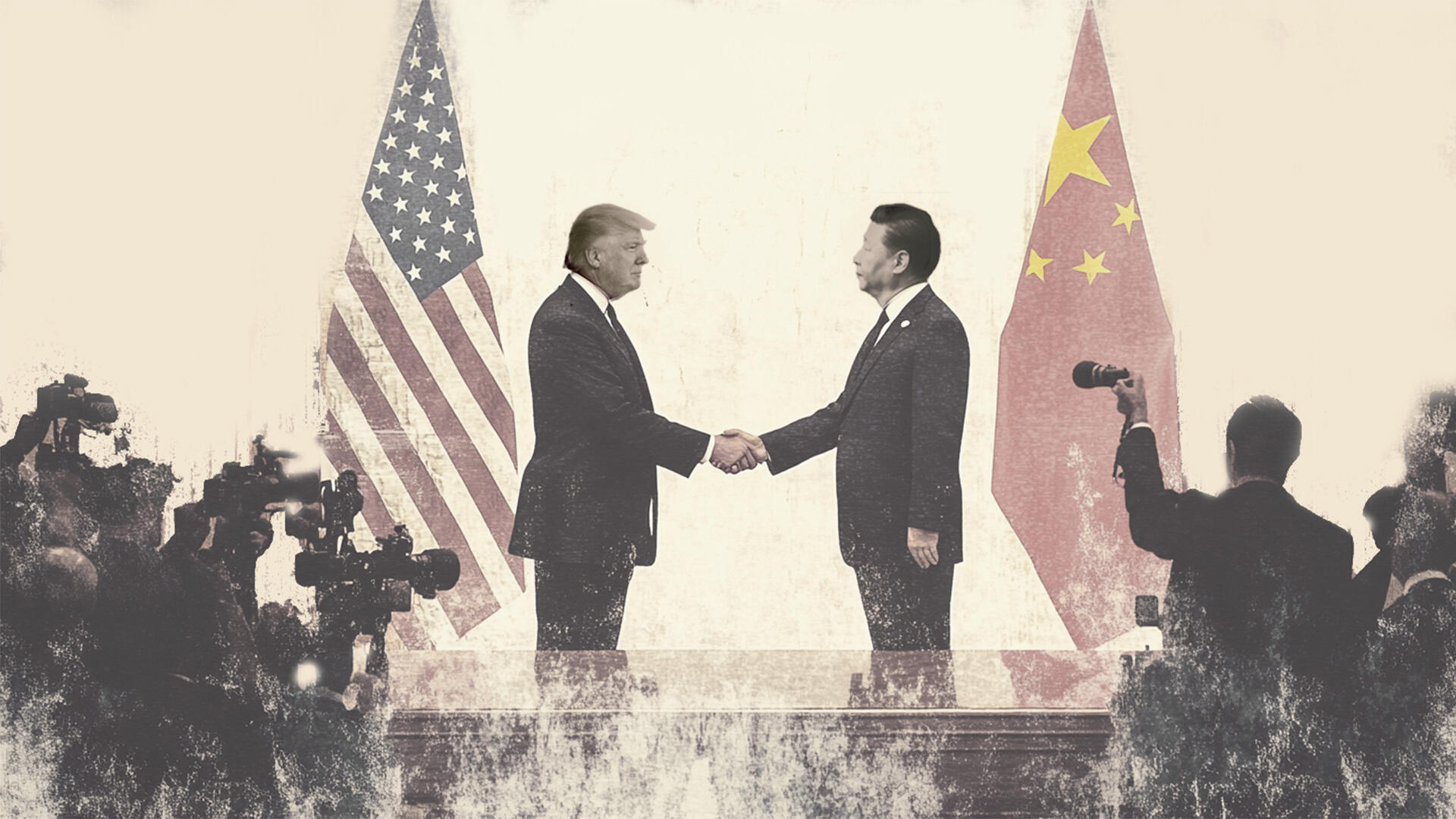
The summit delivered time, not a deal. Trade, oil and chips now each run to a date, and the macro backdrop matters more than the pageantry.
Markets wanted a deal and got a calendar date instead. Xi Jinping left Washington on Friday after tea at the White House and a tour of the National Archives. Donald Trump called the talks "great" but took no questions, and even after Xi flew home the White House had said nothing about the private discussions. The only detailed account came from Chinese state media.
The main outcome arrived before the leaders started the meeting. On Wednesday September 23rd, Treasury Secretary Scott Bessent said the Busan trade truce, due to expire on 10 November 2026, would be extended to 10 January 2027, keeping tariffs lower and rare earths flowing. Ahead of the summit many had expected six months or more. Washington gave two, and said Beijing still owes critical deliverables. Beyond that, the week produced a board of trade covering a relatively small subset of goods, a US proposal for AI incident alerts, two pandas and no announcements on chips or rare earths. For traders, one summit has become three clocks, each with its own date and its own risk premium.
The backdrop moved more than the summit
The biggest market story of the week was not in the East Room of the White House. The dollar rose to its highest level in nearly two months on growing expectations of Federal Reserve rate hikes, and Treasury yields climbed to their highest since 2007, with the 10 year above 5 percent. Oil added its own pressure, with Brent trading above $105 a barrel as hopes for US Iran progress rose and faded quickly. Against that backdrop, a two month truce extension was never going to move risk appetite on its own.
That matters for how to read the summit. Tariff risk is now a secondary driver. Rates and oil are the primary ones, and the China story is connected to both.
Clock one: The yuan and the 10 January cliff
The yuan had already priced in the calm. It climbed to a three and a half year high in the run up to the summit, after the People's Bank of China eased its grip on the currency. Once the shorter than expected extension was announced and the dollar strengthened, it slipped back towards 6.72 per dollar, and the PBOC fixed its midpoint weaker than expected. Analysts at Kaiyuan Securities put it plainly. Markets had already partially priced in the stabilisation of US China relations.
Two months is probation, not peace. The new deadline sits after the midterms, after APEC in Shenzhen in November and after the G20 in Miami in December, on the first trading days of 2027. Recurring deadlines create recurring volatility. A stable fixing through the autumn would suggest Beijing sees the extension as the start of a larger package, which China has openly proposed. A string of weaker fixings in December would be the early warning that January is in doubt.
The macro case for a deal remains. China's surplus reached $119.1 billion in August, yet the US deficit with China has fallen from $418 billion in 2018 to $203 billion in 2025, and the US now runs larger deficits with Mexico, Taiwan and Vietnam. Tariffs relocated the imbalance rather than removing it. Beijing needs external demand, and it needs this truce.
Clock two: Oil, Hormuz and the Iran track
The oil clock has the most immediate price impact. Iran has presented Washington with a road map for a regionwide ceasefire of up to 60 days, a phased reopening of the Strait of Hormuz and an end to the US blockade, according to sources quoted by The National. Trump has ruled out lifting the blockade before Tehran shows goodwill. According to Chinese state media, Xi urged both sides to return to talks and backed the 14 point memorandum reached in June.
Beijing's interest is clear. China's crude imports have fallen 38 percent since April, from about 13.2 million barrels a day to about 8.2 million, according to Kpler. It has drawn on strategic reserves of around one billion barrels and on discounted Iranian and Russian oil, and Washington is squeezing both channels through the blockade and the new Sanctioning Russia Act.
For traders, a phased reopening should be priced as a process, not an event. Each credible step would compress the war premium in Brent, ease record Shanghai crude futures, narrow Middle East differentials and lower freight and insurance costs. Any stall would reverse those moves quickly, as this week's swings showed. Bypass routes such as the UAE's line to Fujairah should keep a structural premium even after a ceasefire.
Clock three: Chips and the Taiwan discount
The technology clock is slower but carries the largest tail risk. According to Beijing, Xi told Trump he hoped the US would adhere to "the correct position of opposing" Taiwan independence. Taiwan's foreign ministry accused Beijing of "distorting facts". Washington said nothing in public. A $14 billion US arms package for Taiwan has been frozen since May, and Trump has called such sales a negotiating chip.
On AI, the US has proposed an incident alert mechanism and Xi said AI must remain under human control, but no binding agreement was announced and export controls stay in place. The near term read for US chipmakers is neutral. The tail risk is a Taiwan quarantine or inspection regime that raises costs across the semiconductor supply chain. That scenario remains poorly priced in chip valuations and in the Taiwan dollar, and one sided readouts do not make it less likely.
What to watch next
Five signals will tell traders more than the state dinner toasts. First, whether the White House publishes its own readout or fact sheet, and whether it mentions Taiwan. Second, Chinese purchases of US energy and farm goods, in volumes rather than intentions. Third, whether a second round of US Iran talks, or the meeting Trump hopes to see in Oman, actually takes place. Fourth, the yuan fixing into December. Fifth, any Taiwan arms announcement after APEC.
The bottom line
Three conclusions for the weeks ahead. First, the truce is priced, the deadline is not. The yuan's rally shows markets banked the calm before the summit. The 10 January cliff is the next source of volatility, and it will start to show in the fixing well before the date itself.
Second, oil is the fastest clock. A phased Hormuz reopening would do more for inflation, yields and risk appetite than any US China headline. Watch the Iran track first and the trade track second.
Third, the largest risk is the least priced. Taiwan came up in Beijing's account and nowhere in Washington's. That silence is a reason for caution on chips and the Taiwan dollar, not for complacency.
Summits bring stability. Deadlines reveal whether they are real. With yields at 19 year highs and Brent above $100, markets have less patience for short deadlines than they did a year ago.
Author

Andrea Zanon
Empower Capital
Andrea Zanon has 20 years of professional experience as a disaster risk management, sustainability, and entrepreneurship specialist. Mr. Zanon has advised international institutions and countries across the Middle East and North Africa. Mr.















