Japanese Yen trims gains as Ueda remains vague about the next rate hike
- USD/JPY returns to the 157.70 area from session lows at 157.12
- BoJ Governor Ueda hints at further interest rate hikes but remains vague about the timing.
- The BoJ left interest rates at 1.25% after its monetary policy meeting, as widely expected.
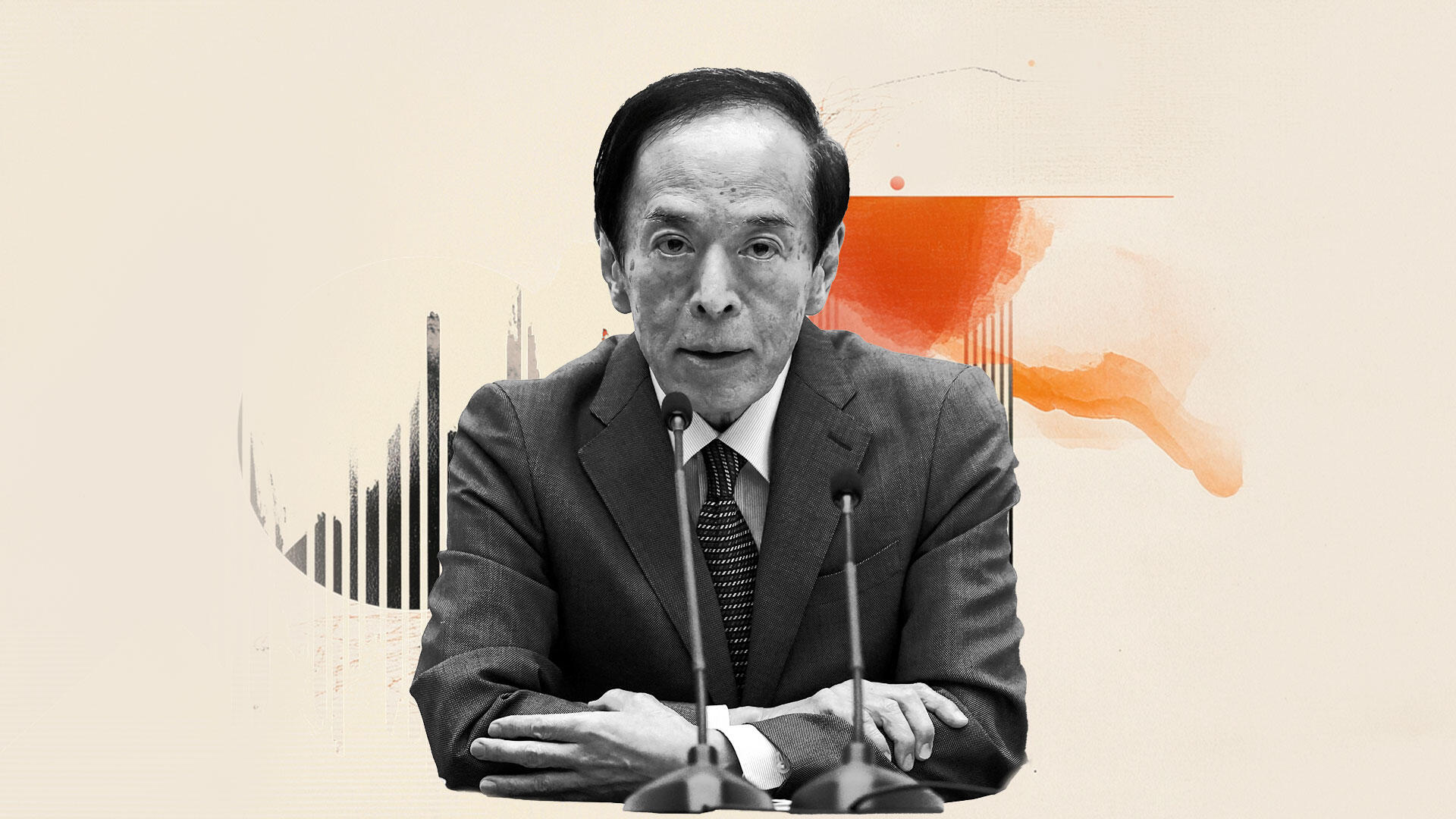
The Japanese Yen (JPY) is giving back previous gains against the US Dollar (USD) on Friday, and Bank of Japan (BoJ) Governor Kazuho Ueda’s comments have failed to support the Japanese currency. The USD/JPY pair has returned to the 157.70 area from session lows at 157.12, turning flat on the daily chart.
Ueda affirmed earlier on Friday that Japan’s “financial conditions are accommodative” and showed confidence that the economy will keep growing moderately in the near term. Regarding monetary policy, Ueda affirmed that the bank will “continue to raise the policy rate" although he also said that they need to watch the impact of FX, AI and the Middle East.
BoJ flags sustained 2% inflation, keeping Yen focus on gradual tightening
The FXS Speechtracker shows a 7.2/10 score, slightly below the speaker’s historic 7.7/10 average. The emphasis on underlying CPI at a level consistent with the 2% target highlights a modestly hawkish tilt, although the stress on accommodative financial conditions, government support measures, and an outlook of only moderate growth reveals a cautious and data-dependent path rather than aggressive tightening.
Previously, the BoJ had left its benchmark interest rate on hold at 1.25%, as widely expected, and announced that inflation reached the 2% target set in 2013. Looking ahead, the bank sees core inflation steady around levels consistent with the price target while inflation risks will remain skewed to the upside, according to the statement.
The US Dollar, on the other hand, is retracing previous losses ahead of the European session opening, as a moderate risk-off mood boosts demand for safe havens. Shares of Google's Alphabet had their worst day on record, with a 12% sell-off on Thursday dragging Asian markets down on Friday, with concerns of an AI bubble crushing investors’ appetite for equities.
Bank of Japan FAQs
The Bank of Japan (BoJ) is the Japanese central bank, which sets monetary policy in the country. Its mandate is to issue banknotes and carry out currency and monetary control to ensure price stability, which means an inflation target of around 2%.
The Bank of Japan embarked in an ultra-loose monetary policy in 2013 in order to stimulate the economy and fuel inflation amid a low-inflationary environment. The bank’s policy is based on Quantitative and Qualitative Easing (QQE), or printing notes to buy assets such as government or corporate bonds to provide liquidity. In 2016, the bank doubled down on its strategy and further loosened policy by first introducing negative interest rates and then directly controlling the yield of its 10-year government bonds. In March 2024, the BoJ lifted interest rates, effectively retreating from the ultra-loose monetary policy stance.
The Bank’s massive stimulus caused the Yen to depreciate against its main currency peers. This process exacerbated in 2022 and 2023 due to an increasing policy divergence between the Bank of Japan and other main central banks, which opted to increase interest rates sharply to fight decades-high levels of inflation. The BoJ’s policy led to a widening differential with other currencies, dragging down the value of the Yen. This trend partly reversed in 2024, when the BoJ decided to abandon its ultra-loose policy stance.
A weaker Yen and the spike in global energy prices led to an increase in Japanese inflation, which exceeded the BoJ’s 2% target. The prospect of rising salaries in the country – a key element fuelling inflation – also contributed to the move.
Author

Guillermo Alcala
FXStreet
Graduated in Communication Sciences at the Universidad del Pais Vasco and Universiteit van Amsterdam, Guillermo has been working as financial news editor and copywriter in diverse Forex-related firms, like FXStreet and Kantox.