Silver Price Forecast: XAG/USD drops to fresh 11-month lows near $50.50
- Silver declined as persistent inflation and strong economic growth heightened expectations of a Federal Reserve rate hike.
- Higher September PCE inflation and 3.4% third-quarter GDP growth pointed to continued US economic resilience.
- Fed rates remained unchanged ahead of midterm elections, with markets pricing a 75% chance of a December hike.
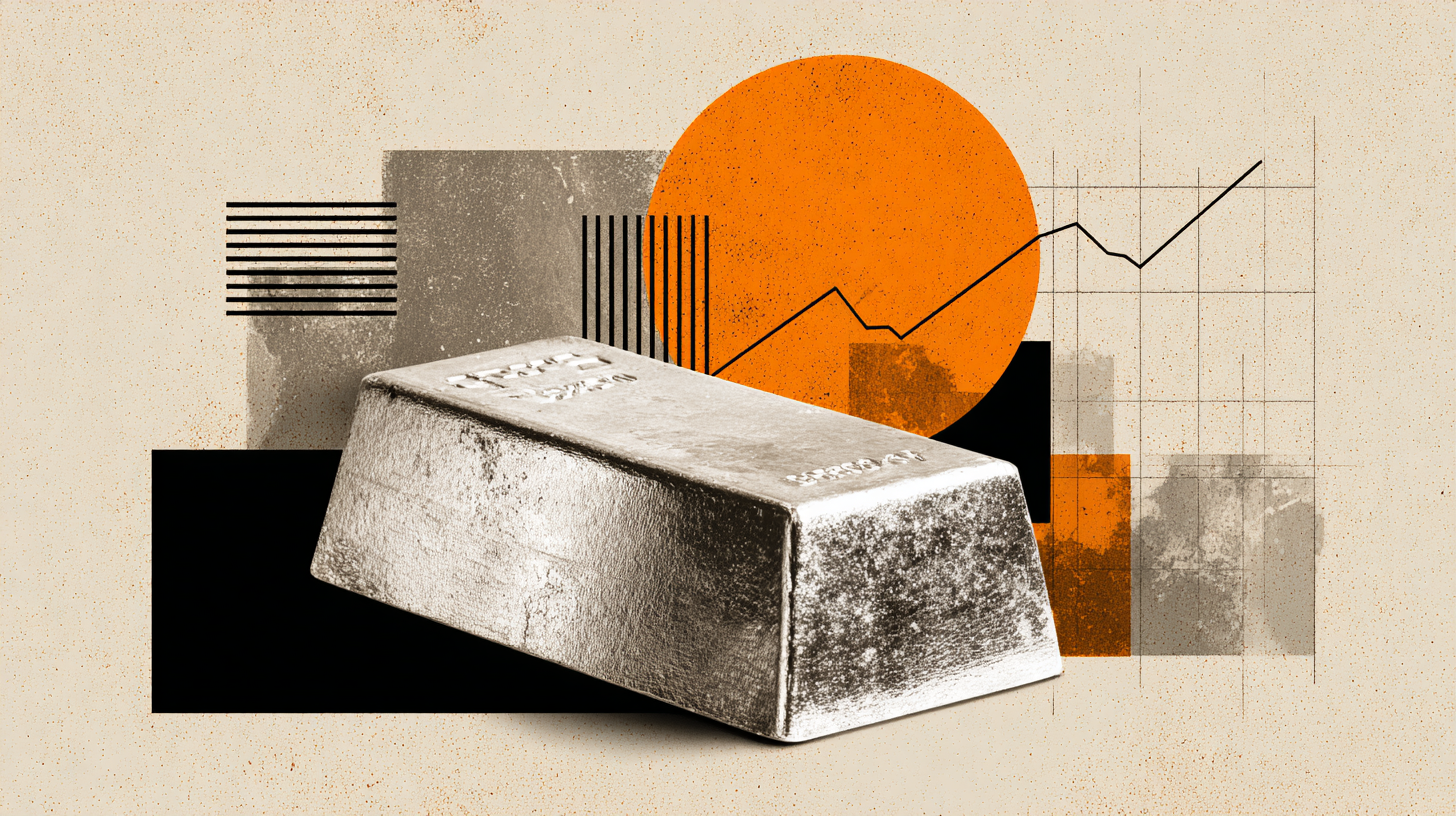
Silver price (XAG/USD) extended its losses for the third successive day, trading around a fresh 11-month low of $50.69 per troy ounce during European hours on Friday. Silver prices faced downward pressure as persistent inflation and resilient economic growth in the United States (US) reinforced market expectations of a potential Federal Reserve interest rate hike later this year.
Inflationary pressures were highlighted by the US PCE price index, which increased by 0.5% month-on-month in September, its largest rise since March, pushing annual inflation up to 3.6%, while core PCE inflation climbed to 3.1% year-over-year.
Meanwhile, the broader economy demonstrated continued strength, with US GDP expanding at an annualized rate of 3.4% in the third quarter. This performance beat market forecasts of 3.2%, driven primarily by steady consumer spending and robust investment in AI-related sectors.
In response to these economic conditions, the Federal Reserve opted to hold interest rates steady on Wednesday ahead of the upcoming US midterm elections. Nevertheless, investors continue to price in a strong likelihood of future tightening.
According to the CME FedWatch Tool, traders are currently assigning approximately a 75% probability to a 25-basis-point rate hike in December, reflecting a moderate decrease from 84.2% recorded just a day prior.
Silver and PGMs lag as macro headwinds bite into demand
According to TD Securities, the post-FOMC landscape continues to highlight a divergence within the precious metals complex. The bank notes that "while gold remains fairly resilient post-FOMC, industrial precious metals are skewing to the downside, with silver and PGMs materially underperforming as macro headwinds and the prospect of tightening policy weigh on demand outlooks." This underperformance underscores the growing pressure on more industrially exposed metals relative to Gold as investors reassess the demand outlook under a potentially tighter policy regime.
Silver FAQs
Silver is a precious metal highly traded among investors. It has been historically used as a store of value and a medium of exchange. Although less popular than Gold, traders may turn to Silver to diversify their investment portfolio, for its intrinsic value or as a potential hedge during high-inflation periods. Investors can buy physical Silver, in coins or in bars, or trade it through vehicles such as Exchange Traded Funds, which track its price on international markets.
Silver prices can move due to a wide range of factors. Geopolitical instability or fears of a deep recession can make Silver price escalate due to its safe-haven status, although to a lesser extent than Gold's. As a yieldless asset, Silver tends to rise with lower interest rates. Its moves also depend on how the US Dollar (USD) behaves as the asset is priced in dollars (XAG/USD). A strong Dollar tends to keep the price of Silver at bay, whereas a weaker Dollar is likely to propel prices up. Other factors such as investment demand, mining supply – Silver is much more abundant than Gold – and recycling rates can also affect prices.
Silver is widely used in industry, particularly in sectors such as electronics or solar energy, as it has one of the highest electric conductivity of all metals – more than Copper and Gold. A surge in demand can increase prices, while a decline tends to lower them. Dynamics in the US, Chinese and Indian economies can also contribute to price swings: for the US and particularly China, their big industrial sectors use Silver in various processes; in India, consumers’ demand for the precious metal for jewellery also plays a key role in setting prices.
Silver prices tend to follow Gold's moves. When Gold prices rise, Silver typically follows suit, as their status as safe-haven assets is similar. The Gold/Silver ratio, which shows the number of ounces of Silver needed to equal the value of one ounce of Gold, may help to determine the relative valuation between both metals. Some investors may consider a high ratio as an indicator that Silver is undervalued, or Gold is overvalued. On the contrary, a low ratio might suggest that Gold is undervalued relative to Silver.
Author

Akhtar Faruqui
FXStreet
Akhtar Faruqui is a Forex Analyst based in New Delhi, India. With a keen eye for market trends and a passion for dissecting complex financial dynamics, he is dedicated to delivering accurate and insightful Forex news and analysis.