Indian Rupee poised for positive opening on Thursday amid lower oil prices
- The Indian Rupee is seen opening positive against the US Dollar on Thursday.
- Oil prices extend their decline due to Iran-Oman deal hopes.
- Investors keenly await the outcome of the Jackson Hole Symposium.
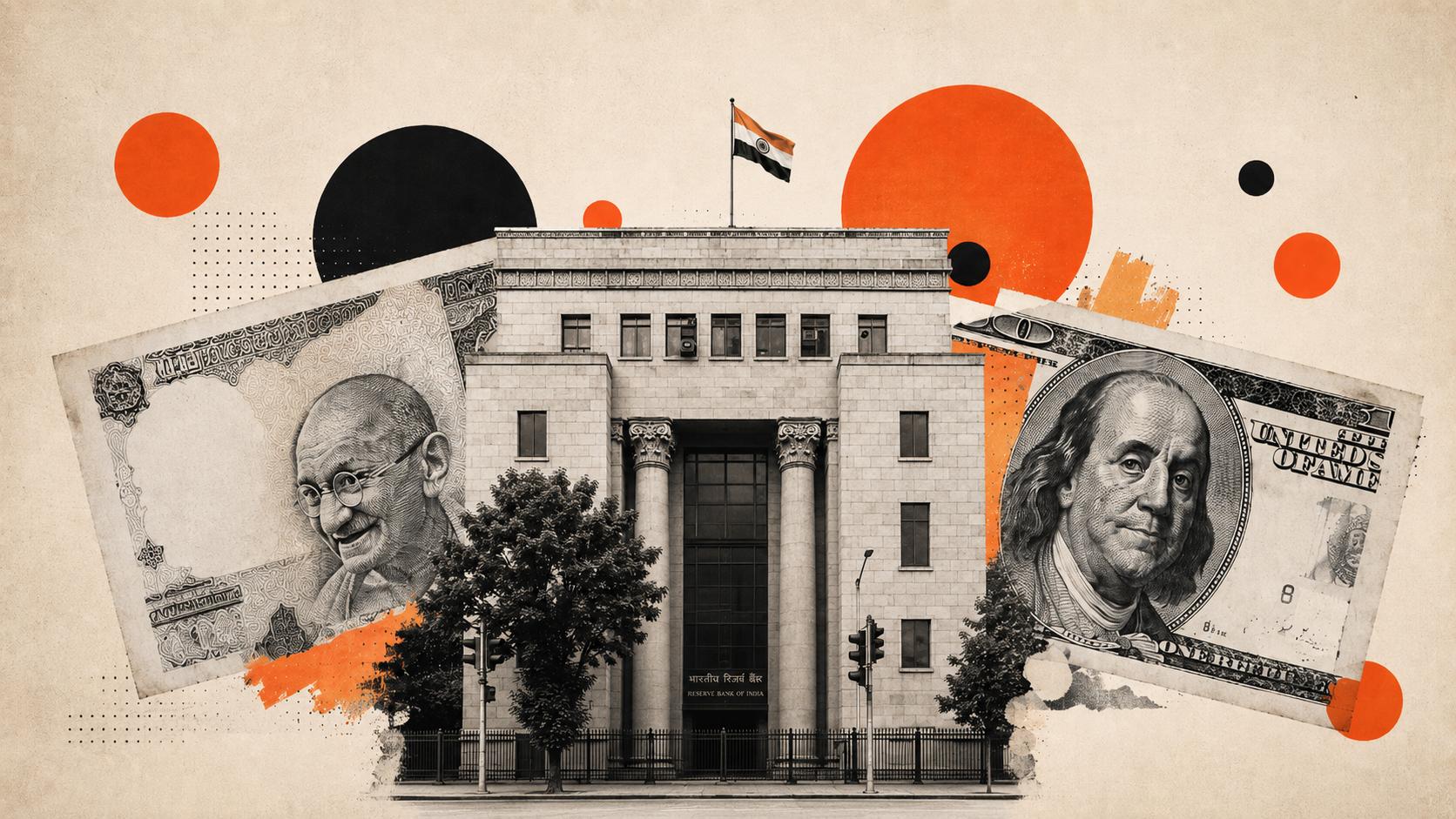
The Indian Rupee (INR) is expected to open on a positive note against the US Dollar (USD) on Thursday after a holiday on Wednesday on account of Id-e-Milad. On Tuesday, the USD/INR pair declined 0.35% to near 95.40 due to weaker oil prices, which also led to a sharp decline in US Treasury Yields.
A positive opening is anticipated from the Indian currency as oil prices have fallen further amid hopes that the Strait of Hormuz, a critical chokepoint to almost 20% of global energy supply, will reopen soon.
At the time of writing, the MCX Crude Oil contract expiring on September 21 trades 2.2% lower to near Rs. 7,660. The oil price is down over 8.5% from its monthly high of Rs. 8,076 posted last week.
Iran-Oman corridor talks seek to ease Strait of Hormuz tensions
Analysts at BNY highlight that Iran and Oman have discussed a "temporary joint shipping corridor in the Strait of Hormuz," with both sides aiming to improve safe navigation and potentially move toward "a permanent administration arrangement for the key oil transit route." Oman’s foreign minister described the talks with Iran as "constructive" and indicated that "practical measures to restore safe passage could be announced soon."
BNY notes that the two countries also discussed "a mine-clearing mission in the strait," a move that appears to contradict President Donald Trump’s claim that mines had already been removed. The talks come against a backdrop of "heightened tensions around Hormuz," including recent attacks on vessels and US warnings that it will "sanction any entity doing business with Iran." Oman, for its part, said discussions with regional partners will continue in support of "peace, stability and freedom of navigation."
Lower oil prices bode well for currencies from economies, such as India, which rely heavily on oil imports to meet their energy needs.
Going forward, the major trigger for global markets will be the Jackson Hold Symposium, which will begin early Thursday, where investors will keenly focus on remarks from Federal Reserve (Fed) Chairman Kevin Warsh.
Warsh’s Jackson Hole speech seen as key test of Fed independence and communication
Strategists at DBS flag Fed Chairman Kevin Warsh’s upcoming Jackson Hole keynote on Friday, August 28, as “the most important event this week,” underscoring its significance for policy communication rather than near-term rate signals. According to DBS, Warsh “faces a difficult balancing act: defending the Fed’s independence and price-stability mandate while providing greater clarity on the Fed’s reaction function without abandoning his preference for less forward guidance,” leaving markets focused on how he navigates that trade-off.
Indian Rupee FAQs
The Indian Rupee (INR) is one of the most sensitive currencies to external factors. The price of Crude Oil (the country is highly dependent on imported Oil), the value of the US Dollar – most trade is conducted in USD – and the level of foreign investment, are all influential. Direct intervention by the Reserve Bank of India (RBI) in FX markets to keep the exchange rate stable, as well as the level of interest rates set by the RBI, are further major influencing factors on the Rupee.
The Reserve Bank of India (RBI) actively intervenes in forex markets to maintain a stable exchange rate, to help facilitate trade. In addition, the RBI tries to maintain the inflation rate at its 4% target by adjusting interest rates. Higher interest rates usually strengthen the Rupee. This is due to the role of the ‘carry trade’ in which investors borrow in countries with lower interest rates so as to place their money in countries’ offering relatively higher interest rates and profit from the difference.
Macroeconomic factors that influence the value of the Rupee include inflation, interest rates, the economic growth rate (GDP), the balance of trade, and inflows from foreign investment. A higher growth rate can lead to more overseas investment, pushing up demand for the Rupee. A less negative balance of trade will eventually lead to a stronger Rupee. Higher interest rates, especially real rates (interest rates less inflation) are also positive for the Rupee. A risk-on environment can lead to greater inflows of Foreign Direct and Indirect Investment (FDI and FII), which also benefit the Rupee.
Higher inflation, particularly, if it is comparatively higher than India’s peers, is generally negative for the currency as it reflects devaluation through oversupply. Inflation also increases the cost of exports, leading to more Rupees being sold to purchase foreign imports, which is Rupee-negative. At the same time, higher inflation usually leads to the Reserve Bank of India (RBI) raising interest rates and this can be positive for the Rupee, due to increased demand from international investors. The opposite effect is true of lower inflation.
Author

Sagar Dua
FXStreet
Sagar Dua is associated with the financial markets from his college days. Along with pursuing post-graduation in Commerce in 2014, he started his markets training with chart analysis.
















