|

Indian Rupee: Higher profile after hawkish RBI – MUFG
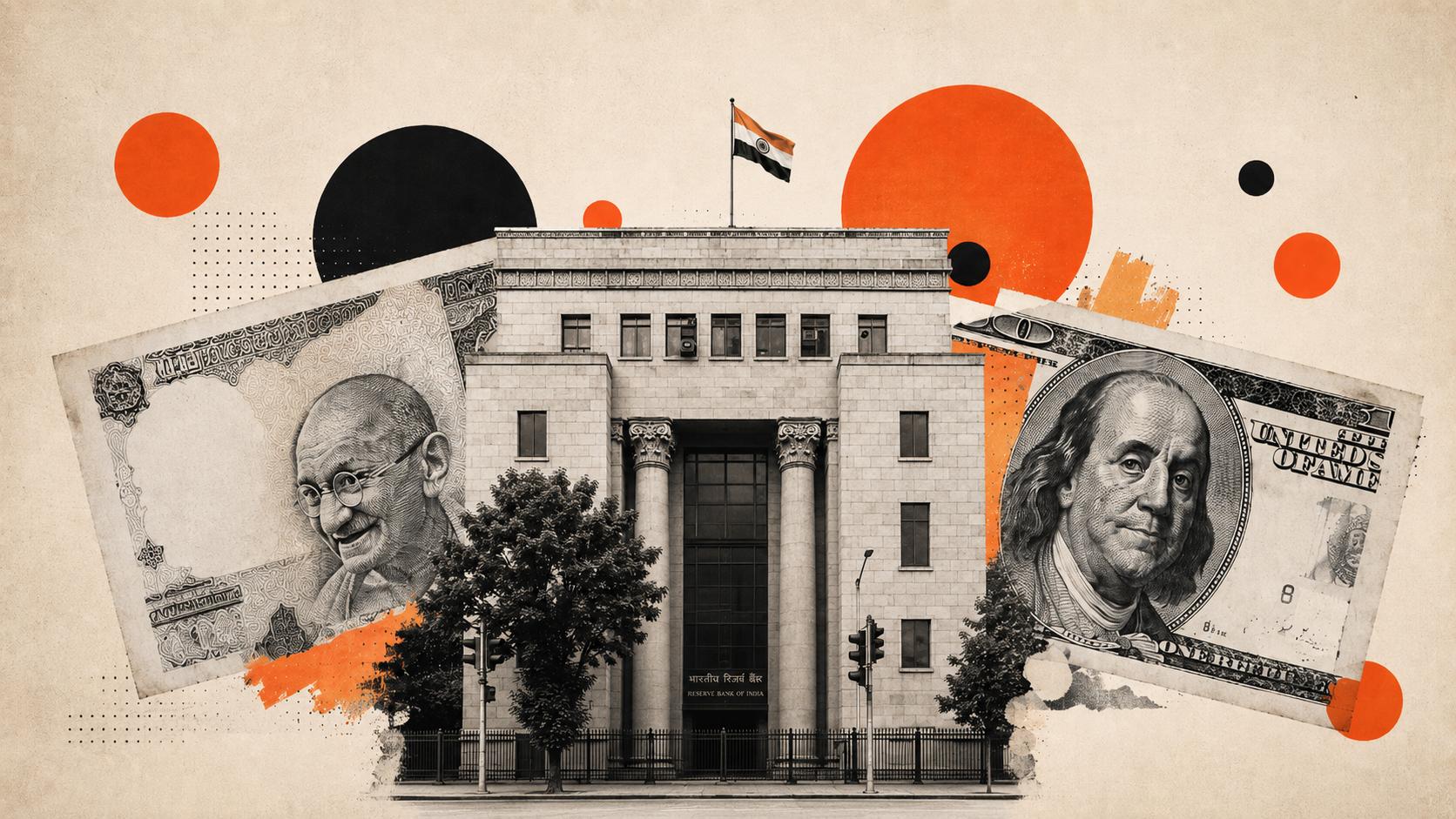
MUFG’s Michael Wan highlights that FX measures to attract US Dollar (USD) inflows into India have significantly lowered Indian Rupee (INR) rates via added liquidity, with limited impact on USD/INR. Following more hawkish August Monetary Policy Committee (MPC) minutes, Wan expects the Reserve Bank of India (RBI) to have ended its easing cycle and to start hiking rates by 50bps from December, supporting a view that INR rates should move higher.

RBI stance points to rising INR yields

"In Asia, another key example where there has been intervention is in India, with the FX measures to draw Dollar inflows including through the FCNR(B) route having quite a meaningful impact on lowering INR rates through an influx of liquidity and to a much smaller extent USD/INR."

"Moving forward, we think that there’s a good chance INR rates move higher from here, and we like paying INR 5y NDOIS (current: 6.467%) as a potential way to express that view."

"First, the August MPC minutes was more hawkish than the actual policy meeting and also what markets expected, and also suggests the RBI has reached the end of its easing cycle with the next move higher rather than lower."

"We continue to expect RBI to hike rates by 50bps starting in the December meeting, with domestic growth remaining quite robust, credit growth accelerating, the lagged mipact from earlier oil price increases, fiscal policy supportive with a likely wider fiscal deficit, coupled with possible interaction with adverse weather events."

"Second, the early closure of the FCNR(B) facility also suggests that the incremental market pricing from here is for liquidity absorption by the RBI and less room for lower rates."

(This article was created with the help of an Artificial Intelligence tool and reviewed by an editor. Know more.)

Author

FXStreet Insights Team

The FXStreet Insights Team is a group of journalists that handpicks selected market observations published by renowned experts. The content includes notes by commercial as well as additional insights by internal and external analysts.


More from FXStreet Insights Team
Share:

Editor's Picks

GBP/USD advances to 1.3650 region despite weak sales data

GBP/USD trades in positive territory at around 1.3650 in the European session on Friday. Although Retail Sales data from the UK came in weaker than expected, the pair holds its ground, supported by the persistent US Dollar (USD) weakness following the Treasury Department's decision to boost long-term bond purchases earlier in the week.

EUR/USD holds near 1.1700 ahead of US PMI data

EUR/USD consolidates its weekly gains at around 1.1700 in the European session on Friday following the mixed PMI prints from Germany. Investors await preliminary August PMI surveys for the Eurozone and the US, while the persistent USD weakness allows the pair to keep its footing.

Gold hits fresh high since June above $4,550 as receding Fed hike bets undermine USD

Gold sticks to modest gains near its highest level since early June, touched earlier this Friday, and trades just above $4,550 heading into the European session. The commodity is looking to build on the breakout momentum above a technically significant 200-day Simple Moving Average amid a weaker US Dollar. Traders scaled back their bets on an immediate interest rate hike by the Fed after the latest US inflation data released last week signaled signs of cooling price pressures.

Bulls in control with Bitcoin heading toward $80,000, Ethereum $2,500, XRP $1.50
Bitcoin (BTC), Ethereum (ETH) and Ripple (XRP) are extending their rallies as bullish momentum strengthens and continue to cheer the US Treasury’s decision to double its debt buyback operations. BTC has climbed nearly 20%, ETH over 25% and XRP nearly 30% so far this week.
The great bond-market repricing: Why deficits, geopolitics and AI are driving long-term yields higher

The biggest move in financial markets right now may be happening in an asset class that many equity and FX investors rarely watch closely: government bonds. Long-term yields have surged across the US, Europe, the UK and Japan, with several benchmarks reaching levels not seen for more than a decade.

$20 billion offered, $2 billion taken: Why Treasury doubled its buyback cap

The US Treasury moved off its own calendar on Wednesday, and that is the part worth sitting with. At 12:32 GMT, the department said it would at least double the size of liquidity support buyback operations in the 10-year to 20-year and 20-year to 30-year sectors, lifting the maximum from $2 billion per operation to at least $4 billion, effective September 9 and running to November 4.