Indian Rupee: Hawkish RBI stance supports INR – DBS
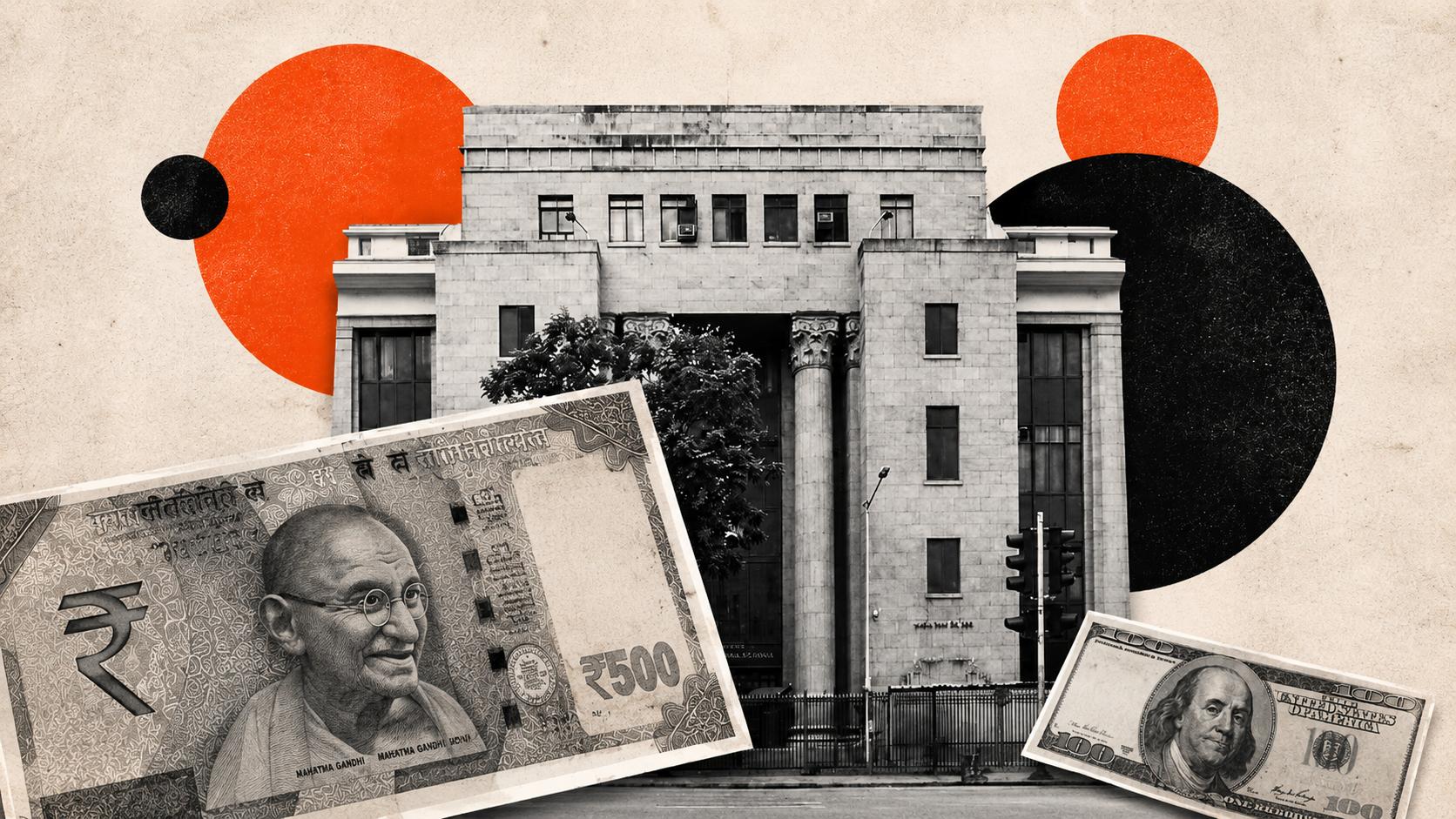
DBS Group Research economist Radhika Rao notes that the Reserve Bank of India’s (RBI) October minutes signal a hawkish pivot, with a 25bp repo hike and a shift to calibrated tightening. She highlights diverging moves in Indian Government bonds and the Indian Rupee (INR), as higher yields contrast with Rupee strength driven by FX measures, IPO inflows and tighter scrutiny of overseas investments.
RBI hawkish pivot, rupee resilience
"Minutes from the RBI’s October rate meeting reflected the hawkish pivot, where the repo rate was raised by 25bp and stance was changed to ‘calibrated tightening’. Members cited rising inflationary pressures and firm growth as reasons behind the 25bp hike."
"Tone of the commentary put two external members in the most hawkish camp, as they emphasised the broadening inflation risks and need for pre-emptive action, while two others were considered mildly hawkish/ neutral as they supported only incremental hikes and explicitly rejected signalling a prolonged tightening cycle."
"Governor Malhotra highlighted emerging signs of inflation becoming more generalised. With inflation set to rise to 6% in CY4Q, the door remains open for a back-to-back hike in December."
"In markets, bond yields stayed high, while the rupee appreciated on the back of FX regulatory measures. As restrictions gained traction, the rupee has strengthened by around 1.5%/USD this month, defying the usual headwinds from rising oil prices and subdued global risk sentiment, while FX forward premiums remain elevated."
"For now, the currency is exhibiting limited reaction to external developments, while bonds are set to remain under pressure as oil supply fears return to the table."
(This article was created with the help of an Artificial Intelligence tool and reviewed by an editor. Know more.)
Author

FXStreet Insights Team
FXStreet
The FXStreet Insights Team is a group of journalists that handpicks selected market observations published by renowned experts. The content includes notes by commercial as well as additional insights by internal and external analysts.