|

Indian Rupee: Flows recovering as Dollar strength caps gains – DBS
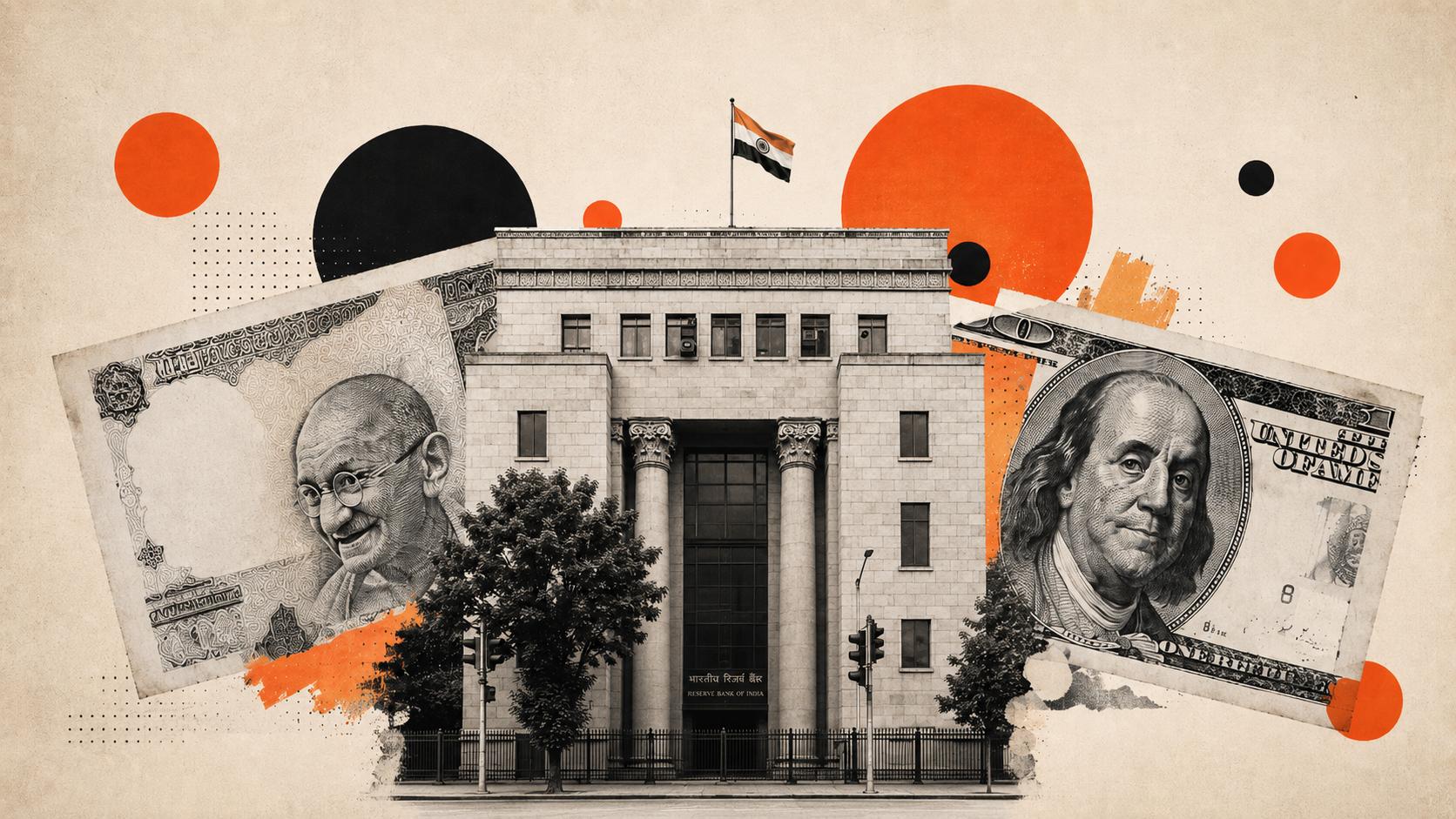
DBS Group Research economist Radhika Rao notes India’s onshore markets are being pulled between higher Oil prices and improving capital flows. Rising crude has lifted USD/INR and long-end bond yields, while the Finance Ministry warns high energy costs could pressure the current and fiscal accounts. Portfolio inflows and swap-window funding are recovering, yet the Indian Rupee (INR) remains weaker against the US Dollar (USD).

Oil shock versus improving capital flows

"India’s onshore markets are currently caught between two opposing forces: higher oil prices driven by renewed Middle East hostilities (and concern over Red Sea), and a strengthening inflows picture."

"A surge in benchmark crude prices pushed up USD/INR, necessitating a strong intervention response from the central bank to keep the domestic currency from revisiting record lows."

"The spot-neutral nature of inflows under the swap windows, increased hedging-related demand, authorities’ preference to mop-up inflows to gradually lower their exposure in the forwards book as well as a firm US dollar due to US policy tightening expectations, have constrained the room for sharp gains in the rupee."

"Overnight dollar pullback on Friday, will be briefly supportive of Asian currencies led by the yen, before the rupee returns to familiar play, with 95.00 to mark a floor."

"Despite the turnaround in inflows, the rupee has depreciated 1.1% this month, and a cumulative 6% on CYTD, against the dollar."

(This article was created with the help of an Artificial Intelligence tool and reviewed by an editor. Know more.)

Author

FXStreet Insights Team

The FXStreet Insights Team is a group of journalists that handpicks selected market observations published by renowned experts. The content includes notes by commercial as well as additional insights by internal and external analysts.


More from FXStreet Insights Team
Share:

Editor's Picks

AUD/USD edges higher above 0.7050 as hot CPI lifts RBA rate hike odds

The AUD/USD pair gathers strength to near 0.7055 during the Asian trading hours on Thursday. The Australian Dollar edges higher against the US Dollar as hotter inflation data bolsters expectations of Reserve Bank of Australia rate hikes. The US September Personal Consumption Expenditures inflation report will be in the spotlight later on Thursday.


USD/JPY treads water near 158.00 ahead of BoJ

USD/JPY navigates an inconclusive range around the 158.00 neighbourhood ahead of the opening bell in Asia on Friday. Indeed, the pair alternates gains with losses following Wednesday’s decent pullback as investors gear up for the imminent interest rate decision by the BoJ. In the meantime, market consensus expect the central bank to keep its hands steady.

Gold remains sidelined just above $4,000

Gold leaves behind the recent three-day positive streak and faces renewed selling pressure near the $4,000 mark per troy ounce on Thursday. The precious metal’s daily decline comes amid marginal gains in the US Dollar and mixed US Treasury yields, while crude oil prices remain on the back foot.

HYPE soars 17% as ICE, Druckenmiller invest in tradeXYZ for US expansion
Hyperliquid (HYPE) jumps 17% on Thursday as Intercontinental Exchange (ICE) announced it will partner with trade[XYZ] to bring Hyperliquid-based perpetual futures markets to the US, expanding efforts to introduce on-chain derivatives trading within a regulated framework. Billionaire investor Stan Druckenmiller will also join as an investor in trade[XYZ].
BoJ preview: Hawkish hold

Having hiked rates by 25bp to 1.25% in September, the central messages from the BoJ were largely similar; upside price risks remained, real interest rates were still negative and further policy rate hikes should be expected.

A hot US economy is supposed to sink Gold. It didn't. Here's why
Gold (XAU/USD) remains under pressure near $4,000, as stronger-than-expected United States (US) economic data reinforce expectations of another Federal Reserve (Fed) interest rate hike in December. Economic growth is accelerating, inflation remains elevated, and borrowing costs could rise further.