|

Germany: Green stimulus to the rescue? - ING
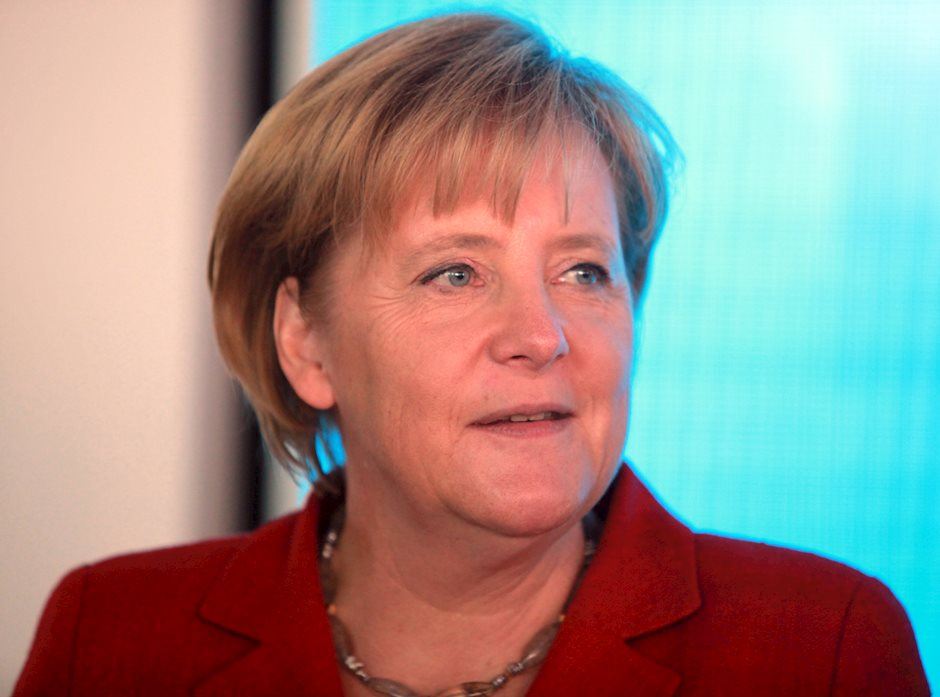
The call for fiscal stimulus in Germany has never been louder and this week will show whether the eurozone country, with the deepest pockets, finally plans to empty them, says Carsten Brzeski - Chief Economist at ING Germany.

Key Quotes:

“According to a report in the German newspaper “Welt am Sonntag”, the government is looking for a EUR40bn package until 2023. This package could include higher subsidies for electric cars, subsidies for climate-friendly real estate renovations and investments in rail. Whether or not the package will also include a CO2 tax remains unclear.”
 
“Given comments over recent days, the financing of such a climate package could be done 'off-budget' or through some so-called Special Purpose Vehicles. Even the option of special green government bonds has been mentioned. The advantage of these financing methods is that they wouldn’t collide with the constitutional debt brake and would 'only' be subject to European fiscal surveillance under the Stability Pact.”
 
“This is not the place to assess the German government’s strategy to tackle climate change. Needless to say that any such strategy should be all-encompassing and preferably coordinated at the European level. However, just looking at it from a eurozone growth perspective, Friday 20 September could finally show that Germans can do fiscal stimulus. Green stimulus. It would not be enough to stop the current slide of the economy towards the recessionary territory, but it could be an important cornerstone in Germany's recovery and its quest for a new economic model.”

Author

Haresh Menghani

Haresh Menghani is a detail-oriented professional with 10+ years of extensive experience in analysing the global financial markets.


More from Haresh Menghani
Share:

Editor's Picks

EUR/USD recedes to daily lows near 1.1850

EUR/USD keeps its bearish momentum well in place, slipping back to the area of 1.1850 to hit daily lows on Monday. The pair’s continuation of the leg lower comes amid decent gains in the US Dollar in a context of scarce volatility and thin trade conditions due to the inactivity in the US markets.

GBP/USD resumes the downtrend, back to the low-1.3600s

GBP/USD rapidly leaves behind Friday’s decent advance, refocusing on the downside and retreating to the 1.3630 region at the beginning of the week. In the meantime, the British Pound is expected to remain under the microscope ahead of the release of the key UK labour market report on Tuesday.

Gold looks inconclusive around $5,000

Gold partially fades Friday’s strong recovery, orbiting around the key $5,000 region per troy ounce in a context of humble gains in the Greenback on Monday. Additing to the vacillating mood, trade conditions remain thin amid the observance of the Presidents Day holiday in the US.

Bitcoin consolidates as on-chain data show mixed signals

Bitcoin price has consolidated between $65,700 and $72,000 over the past nine days, with no clear directional bias. US-listed spot ETFs recorded a $359.91 million weekly outflow, marking the fourth consecutive week of withdrawals.

The week ahead: Key inflation readings and why the AI trade could be overdone

It is likely to be a quiet start to the week, with US markets closed on Monday for Presidents Day. European markets are higher across the board and gold is clinging to the $5,000 level after the tamer than expected CPI report in the US reduced haven flows to precious metals.

XRP steadies in narrow range as fund inflows, futures interest rise

Ripple is trading in a narrow range between $1.45 (immediate support) and $1.50 (resistance) at the time of writing on Monday. The remittance token extended its recovery last week, peaking at $1.67 on Sunday from the weekly open at $1.43.