Germany: A set-back for the economy - ING
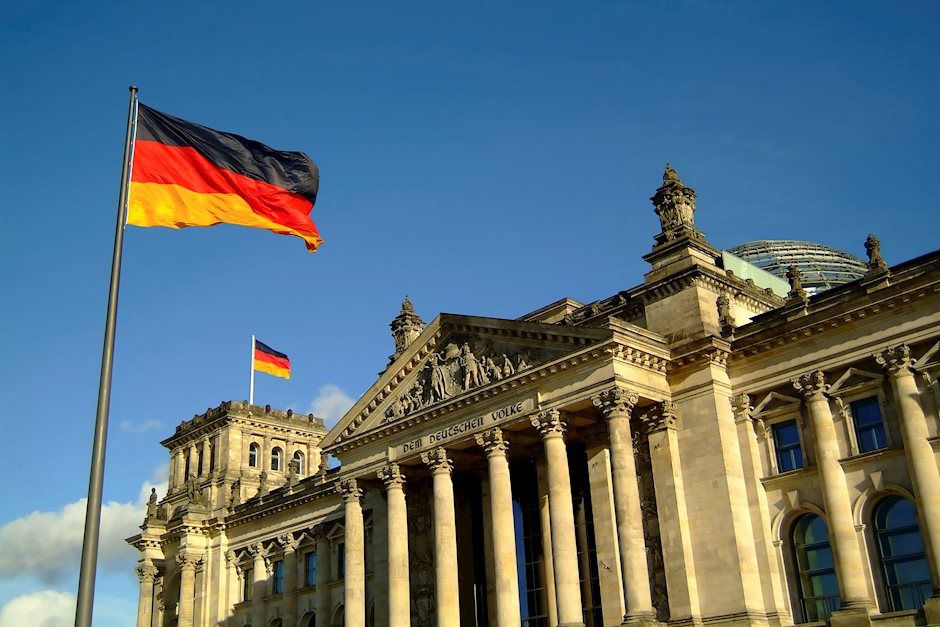

Ifo index drops for the second month in a row, suggesting some levelling off in the German economy, explains Carsten Brzeski, Chief Economist at ING.
Key Quotes
“While Germany is still digesting the results of last night’s elections, the country’s most prominent leading indicator, the Ifo index, weakened for the second month in a row and dropped in September. The Ifo index now stands at 115.2, from 115.9 in August. Both the expectations and current assessment component dropped. While the September drop was probably a result of increased geopolitical tensions, ongoing problems in the German automotive industry and the stronger euro, the next months will tell how the German business sector looks at the results of Sunday's poll.”
“In our view, last night’s election result is a combination of political earthquake and stabilisation. Angela Merkel will remain chancellor, but she will very probably be a weaker chancellor in a less stable government than over the last twelve years. The rise of the AfD could increase pressure in her own party (and the Bavarian sister party) to move further to the political right, while a coalition together with the FDP and the Greens is anything but a done deal and politically challenging. Given that there will be regional elections in Lower Saxony on 15 October, any significant steps towards the new government are unlikely. Currently, it even looks ambitious to see a new German government before Christmas.”
“Given Germany’s traditional craving for stable governments, we would argue that all parties will try to make the “Jamaica coalition” work. What would such a government have in store for the German economy and for Europe? Regarding the economy, a “Jamaica coalition” could bring more investments, particularly in digitalization and education. Some tax relief could also be possible. However, there could be little in store to tackle increasing wage inequality, keeping German wage increases relatively moderate and consequently not making the ECB’s life any easier. At the same time, topics such as energy transition and the future of the automotive industry are clearly potential stumbling blocks.”
“As regards Europe, the new government could bring a cold shower to the current Macron euphoria. Even though any Merkel-led government will keep a pro-European stance, the FDP and the conservative wing of Merkel’s own party are in our view clear brakes and limits to deeper Eurozone integration. Don’t expect huge steps. It could until the next severe crisis before we get further far-reaching steps towards more Eurozone integration.”
Author
Sandeep Kanihama
FXStreet Contributor
Sandeep Kanihama is an FX Editor and Analyst with FXstreet having principally focus area on Asia and European markets with commodity, currency and equities coverage. He is stationed in the Indian capital city of Delhi.

















