Geopolitical risk for the US and Asia – Nomura
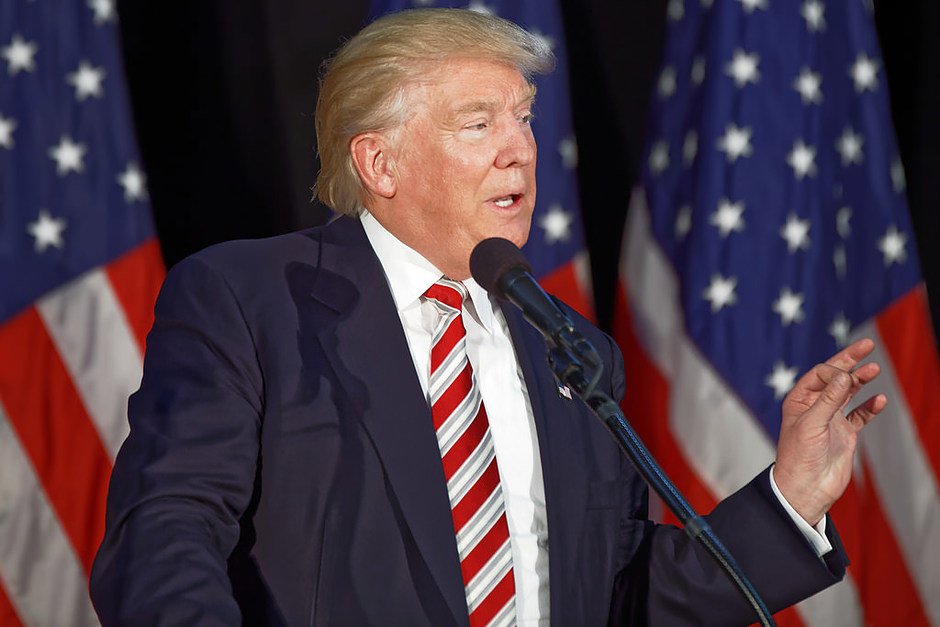

There has been no shortage of geopolitical risk events over the past few weeks as overseas we had the Italian election, President Trump’s decision to introduce new tariffs on steel and aluminum imports, and the announcement of a meeting of the leaders of the US and North Korea, points out Richard Koo, Chief Economist at Nomura.
Key Quotes
“In Japan, it was discovered that official documents in the Moritomo Gakuen land purchase scandal had been altered, and a Finance Ministry official with ties to the case committed suicide.”
“It has yet to be decided what form the next Italian government will take, but the outcome could have a significant impact on the future of the eurozone. And Mr. Trump’s decisions to levy import duties on steel and aluminum and meet with North Korea’s leader could change the face of the free trade system and have a major effect on global security in the Asian region.”
“Japan, meanwhile, has been a bastion of political stability in an unstable world, but the Moritomo Gakuen scandal has the potential to undermine the Abe administration and its ability to govern.”
“Reasons behind timing of US tariff announcement
- Of these events, the one with the greatest immediate impact on the markets was the Trump administration’s decision to impose a 25% tariff on steel imports and a 10% tariff on aluminum imports.
- Many political commentators say the decision was timed to coincide with a special election in the state of Pennsylvania, where iron and steel was once a major industry. However, the Department of Commerce commenced work on the report underlying this action along with work on other investigations on trade—soon after Mr. Trump took office.
- Compiling such reports takes time if they are to stand up to scrutiny from the courts and Congress, and it appears that this report was not ready until late in February.
- The Department of Commerce, which suddenly became a first-class citizen under the Trump administration, did not initially have enough researchers to comply with the administration’s various requests. Although it has stepped up hiring to fill the shortfall, this kind of work is highly specialized, and it was said that it would take at least a year to train new staff.
- I suspect the main reason behind the timing of the tariffs decision was that a shortage of staff at the Department of Commerce prevented the release of the report until now.”
“US-North Korea summit an excellent demonstration of Trump’s diplomatic style
- Turning to the proposed meeting between Mr. Trump and Kim Jong-un, the very fact that talks have progressed this far offers evidence that Trump has left his stamp on US diplomacy. Previous US administrations had all avoided any direct talks with North Korea, preferring instead to confine discussions to the six-party talks.
- In contrast, North Korea has long sought one-on-one talks with the US, and I think it may have been paying close attention when Mr. Trump said before the election that he would be happy to meet with Kim Jong-un over a hamburger.
- In that sense, if the meeting between the two leaders becomes a reality, it will signal a fundamental reset of US policy towards North Korea, a policy which until now has been led by experts at the State Department.
- The Trumpian take on this might be that “everything we’ve done over the last few decades has failed, so we need to try something different.” And in fact, he said something to that effect at the end of last week.”
Author
Sandeep Kanihama
FXStreet Contributor
Sandeep Kanihama is an FX Editor and Analyst with FXstreet having principally focus area on Asia and European markets with commodity, currency and equities coverage. He is stationed in the Indian capital city of Delhi.