GBP/USD holds gains above 1.3600 due to improved risk appetite
- GBP/USD appreciates as the US Dollar loses ground due to dampened safe-haven demand following the Israel-Iran ceasefire.
- Fed Chair Powell strengthened his case for delaying rate cuts, likely until sometime in the fourth quarter.
- The Pound Sterling may struggle following dovish remarks from the BoE officials on policy stance.


GBP/USD extends its winning streak for the third successive session, trading around 1.3620 during the Asian hours on Wednesday. The pair is hovering around 1.3648, the highest since February 2022, which was recorded on Tuesday. The risk-sensitive GBP/USD pair receives support from the improved risk appetite amid easing tensions in the Middle East.
US President Donald Trump announced that a ceasefire between Iran and Israel had taken effect on Tuesday, raising hopes for an end to the 12-day conflict. However, caution lingered amid uncertainty over the ceasefire’s durability. Traders will likely focus on the potential revival of nuclear talks and the fate of Iran’s enriched uranium.
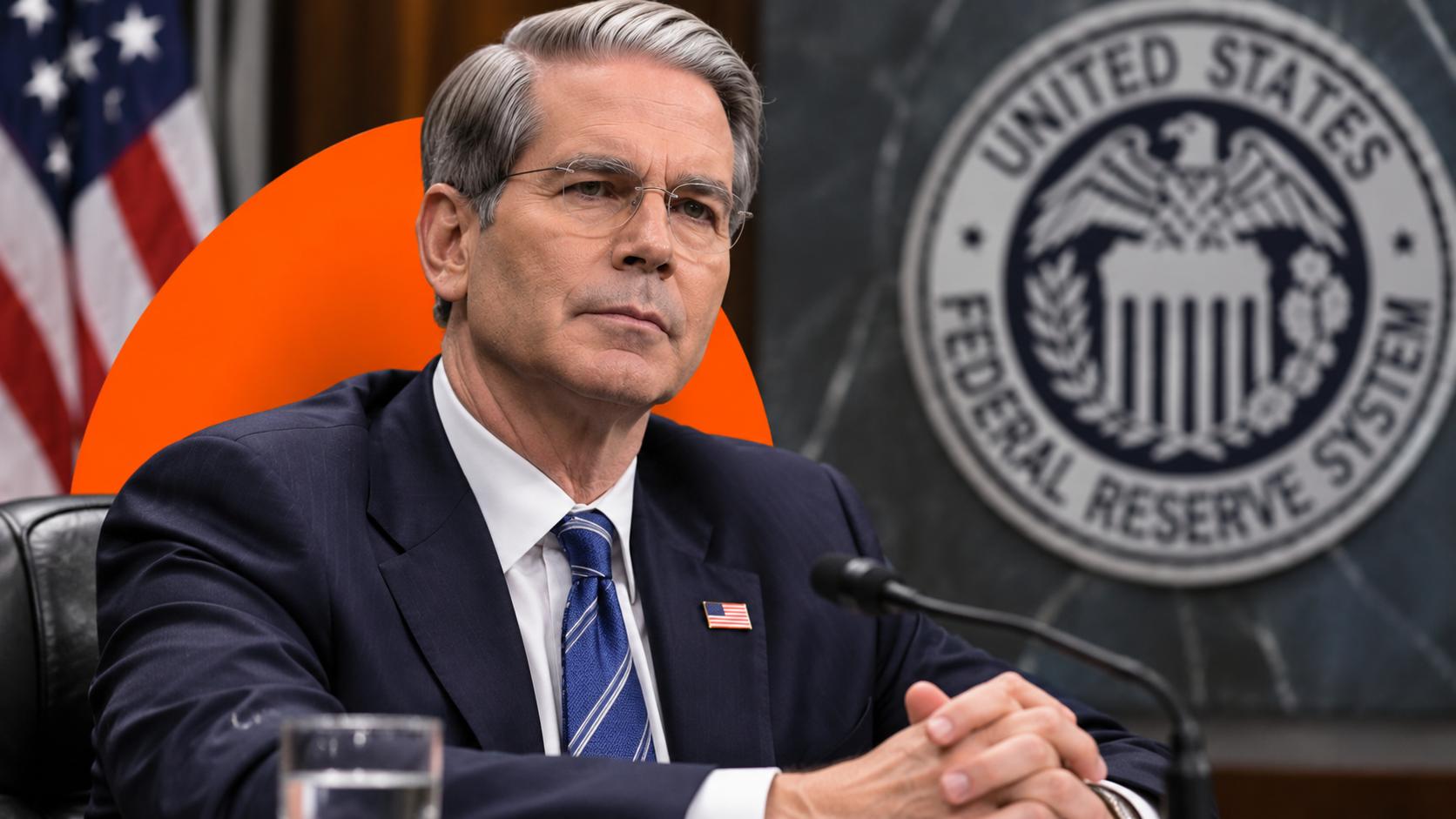
During his testimony before the congressional budget committee on Tuesday, Fed Chair Powell advocated for delaying rate cuts, likely until sometime in the fourth quarter. Powell added, “When the time is right, expect rate cuts to continue.” He also said that data suggests that at least some of the tariffs will hit consumers and will start to see more tariff inflation starting in June.
Kansas City Fed President Jeff Schmid said early Wednesday that the central bank should wait to see how uncertainty surrounding tariffs and other policies impacts the economy before adjusting interest rates. Schmid added that the resilience of the economy gives us the time to observe how prices and the economy develop, per Bloomberg.
The upside of the GBP/USD pair could be restrained as the Pound Sterling (GBP) may face challenges due to dovish remarks from the Bank of England’s (BoE) officials on policy outlook. BoE Governor Andrew Bailey pointed to slowing wage growth and rising economic inactivity, though he stressed concerns over the reliability of labor data. Deputy Governor Dave Ramsden said labor market loosening was behind his vote for a rate cut, warning it could push inflation below the 2% target.
Pound Sterling FAQs
The Pound Sterling (GBP) is the oldest currency in the world (886 AD) and the official currency of the United Kingdom. It is the fourth most traded unit for foreign exchange (FX) in the world, accounting for 12% of all transactions, averaging $630 billion a day, according to 2022 data. Its key trading pairs are GBP/USD, also known as ‘Cable’, which accounts for 11% of FX, GBP/JPY, or the ‘Dragon’ as it is known by traders (3%), and EUR/GBP (2%). The Pound Sterling is issued by the Bank of England (BoE).
The single most important factor influencing the value of the Pound Sterling is monetary policy decided by the Bank of England. The BoE bases its decisions on whether it has achieved its primary goal of “price stability” – a steady inflation rate of around 2%. Its primary tool for achieving this is the adjustment of interest rates. When inflation is too high, the BoE will try to rein it in by raising interest rates, making it more expensive for people and businesses to access credit. This is generally positive for GBP, as higher interest rates make the UK a more attractive place for global investors to park their money. When inflation falls too low it is a sign economic growth is slowing. In this scenario, the BoE will consider lowering interest rates to cheapen credit so businesses will borrow more to invest in growth-generating projects.
Data releases gauge the health of the economy and can impact the value of the Pound Sterling. Indicators such as GDP, Manufacturing and Services PMIs, and employment can all influence the direction of the GBP. A strong economy is good for Sterling. Not only does it attract more foreign investment but it may encourage the BoE to put up interest rates, which will directly strengthen GBP. Otherwise, if economic data is weak, the Pound Sterling is likely to fall.
Another significant data release for the Pound Sterling is the Trade Balance. This indicator measures the difference between what a country earns from its exports and what it spends on imports over a given period. If a country produces highly sought-after exports, its currency will benefit purely from the extra demand created from foreign buyers seeking to purchase these goods. Therefore, a positive net Trade Balance strengthens a currency and vice versa for a negative balance.
Author
Akhtar Faruqui
FXStreet
Akhtar Faruqui is a Forex Analyst based in New Delhi, India. With a keen eye for market trends and a passion for dissecting complex financial dynamics, he is dedicated to delivering accurate and insightful Forex news and analysis.