EUR/JPY retreats below 186.00 as BoJ's Ueda speaks
- EUR/JPY retreats below 186.00 after hitting fresh record highs at 186.82.
- The Yen has bounced up against its main peers after BoJ Governor Ueda ended his press release.
- The BoJ has kept its benchmark interest rate unchanged, at 0.75%, as expected.
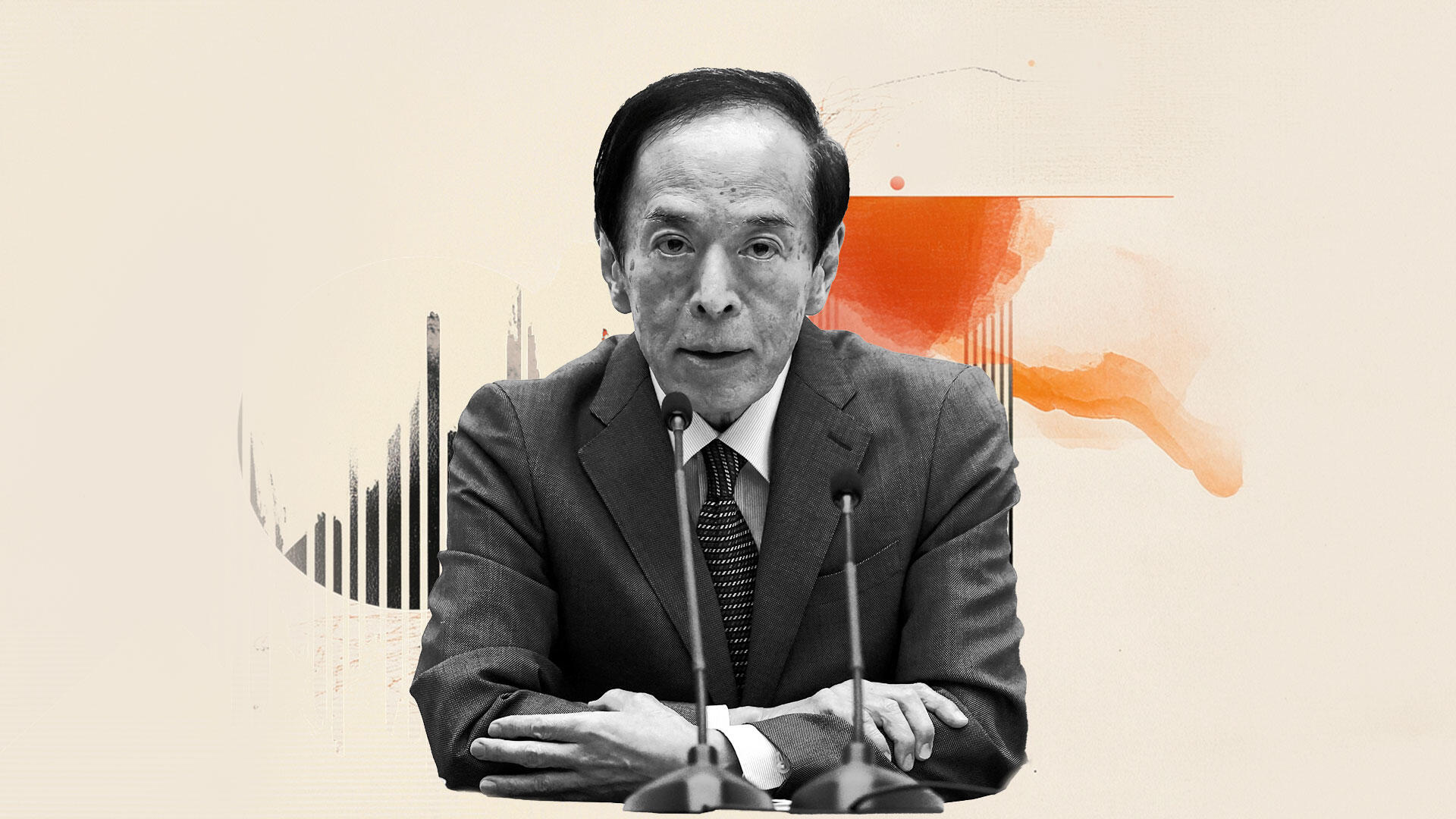
The Euro has pulled back from record highs near 187.00 to trade at 185.60 at the time of writing, with all Yen crosses whipsawing following Bank of Japan's (BoJ) Governor Ueda's press conference. Before that, the pair had extended its rally beyond 186.00 following the Bank of Japan’s (BoJ) Monetary Policy decision, to reach fresh record highs above 186.80.
The Japanese Yen lost ground against its main peers after Kazuho Ueda affirmed that the central bank’s committee needs to grasp the impact of previous rate hikes before tightening monetary policy further.
Ueda also stated that conditions remain accommodative, despite December’s hike, and that underlying inflation is coming closer to the 2%, which suggests that the bank remains committed to gradually raising interest rates.
The BoJ kept its benchmark interest rate on hold, at 0.75%, as widely expected on Friday, following a 25 basis points hike in December that brought rates to their highest level in 30 years.
The Yen has been depreciating steadily since the Japanese Prime Minister Sanae Takaichi called snap elections earlier this week. Investors are wary that Takaichi’s growing popularity will grant her a larger parliamentary support to continue with her fiscal largesse, which could cause a debt crisis.
Economic Indicator
BoJ Interest Rate Decision
The Bank of Japan (BoJ) announces its interest rate decision after each of the Bank’s eight scheduled annual meetings. Generally, if the BoJ is hawkish about the inflationary outlook of the economy and raises interest rates it is bullish for the Japanese Yen (JPY). Likewise, if the BoJ has a dovish view on the Japanese economy and keeps interest rates unchanged, or cuts them, it is usually bearish for JPY.
Read more.Last release: Fri Jan 23, 2026 03:07
Frequency: Irregular
Actual: 0.75%
Consensus: 0.75%
Previous: 0.75%
Source: Bank of Japan
Author

Guillermo Alcala
FXStreet
Graduated in Communication Sciences at the Universidad del Pais Vasco and Universiteit van Amsterdam, Guillermo has been working as financial news editor and copywriter in diverse Forex-related firms, like FXStreet and Kantox.