ECB sources say further tightening remains likely – Reuters

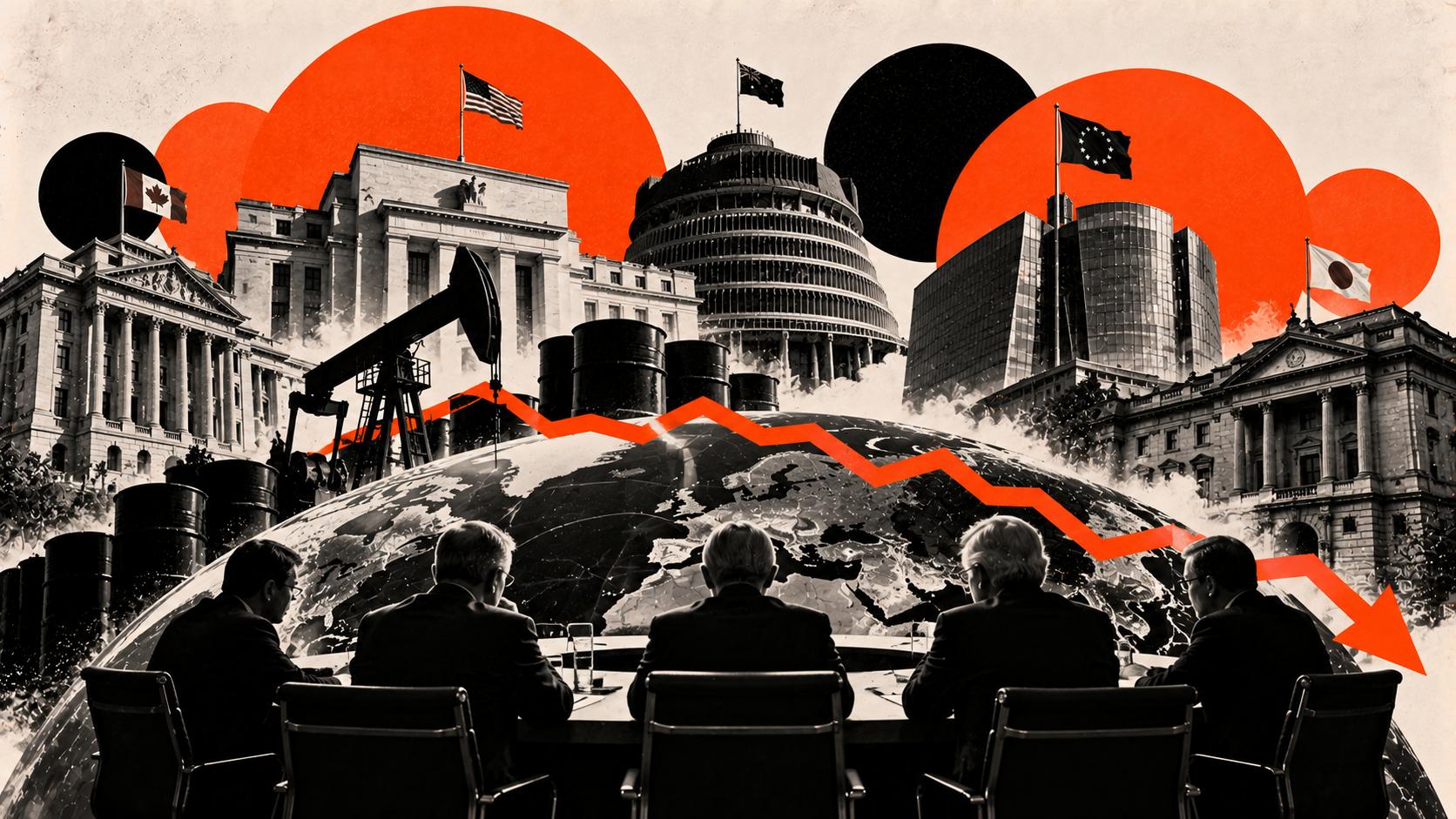
According to Reuters sources, the European Central Bank (ECB) is expected to further tighten monetary policy in the months ahead and could raise rates in October.
The ECB hiked rates by 0.25% on Thursday for the second time this year, recognizing that inflation risks are tilted to the upside, while growth risks are tilted to the downside.
A prolonged US-Iran war and the Russia-Ukraine war sent energy prices soaring, prompting ECB members to take preemptive action to stop inflation from spreading to other goods and services.
At the ECB press conference, ECB President Lagarde said she couldn’t anticipate the next move and reaffirmed the meeting-by-meeting mantra.
Euro Price Today
The table below shows the percentage change of Euro (EUR) against listed major currencies today. Euro was the strongest against the Australian Dollar.
| USD | EUR | GBP | JPY | CAD | AUD | NZD | CHF | |
|---|---|---|---|---|---|---|---|---|
| USD | 0.10% | 0.13% | 0.48% | 0.12% | 0.70% | 0.57% | 0.26% | |
| EUR | -0.10% | 0.04% | 0.38% | 0.03% | 0.61% | 0.46% | 0.15% | |
| GBP | -0.13% | -0.04% | 0.35% | -0.03% | 0.57% | 0.43% | 0.13% | |
| JPY | -0.48% | -0.38% | -0.35% | -0.37% | 0.23% | 0.06% | -0.21% | |
| CAD | -0.12% | -0.03% | 0.03% | 0.37% | 0.60% | 0.44% | 0.16% | |
| AUD | -0.70% | -0.61% | -0.57% | -0.23% | -0.60% | -0.14% | -0.42% | |
| NZD | -0.57% | -0.46% | -0.43% | -0.06% | -0.44% | 0.14% | -0.26% | |
| CHF | -0.26% | -0.15% | -0.13% | 0.21% | -0.16% | 0.42% | 0.26% |
The heat map shows percentage changes of major currencies against each other. The base currency is picked from the left column, while the quote currency is picked from the top row. For example, if you pick the Euro from the left column and move along the horizontal line to the US Dollar, the percentage change displayed in the box will represent EUR (base)/USD (quote).
Author

Christian Borjon Valencia
FXStreet
Markets analyst, news editor, and trading instructor with over 14 years of experience across FX, commodities, US equity indices, and global macro markets.