|

Dedollarisation: On a path to multipolar world – DBS
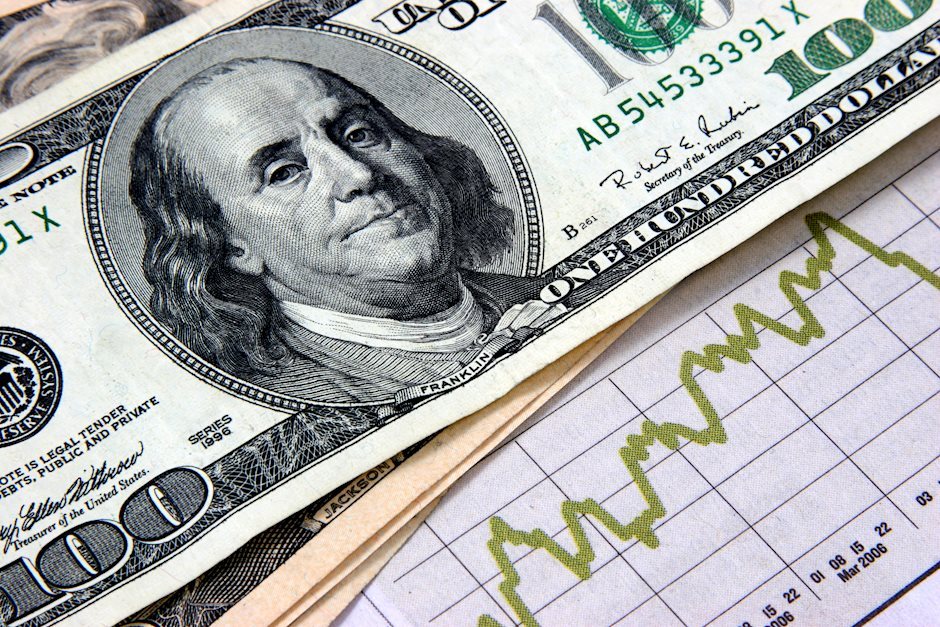
In the first half of 2024, the global financial landscape witnessed an increase in the momentum of dedollarisation. The movement is driven by various geopolitical, economic, and strategic factors by countries seeking to diversify their currency holdings and reduce vulnerability to the US monetary policy and financial and economic sanctions, DBS macro analysts Philip Wee and Ma Tieying note.

The momentum of dedollarisation increases

“Many countries are not looking to decouple from the US Dollar (USD) but to reduce reliance on the greenback and other Western reserve currencies, like the de-risking policy pursued by the US and the EU with China. They are responding to rising geopolitical tensions, particularly between the US and Europe against Russia and China.”

“An enlarged BRICS can develop alternative financial institutions and systems, reducing dependence on traditional institutions like the IMF and the World Bank. BRICS countries could also increase their collective influence in international forums like the United Nations and the G20, creating a counterbalance to Western alliances such as NATO and the EU.”

“According to the BIS, the USD accounts for almost 90% of global FX transactions in trade and investments, well ahead other significant currencies such as the Euro (EUR) and the Off-shore Yuan (CNY). Nonetheless, the dedollarisation process has long-term implications for global markets, trade dynamics, and the international monetary system.”

Author

FXStreet Insights Team

The FXStreet Insights Team is a group of journalists that handpicks selected market observations published by renowned experts. The content includes notes by commercial as well as additional insights by internal and external analysts.


More from FXStreet Insights Team
Share:

Editor's Picks

EUR/USD: US Dollar to remain pressured until uncertainty fog dissipates

Unimpressive European Central Bank left monetary policy unchanged for the fifth consecutive meeting. The United States first-tier employment and inflation data is scheduled for the second week of February. EUR/USD battles to remain afloat above 1.1800, sellers moving to the sidelines.

GBP/USD softens to near 1.3600 as BoE hints further rate cuts

The GBP/USD pair loses ground to near 1.3610 during the early Asian session on Monday. The Pound Sterling softens against the Greenback amid growing expectations of the Bank of England’s interest-rate cut. Traders will take more cues from the Fedspeak later on Monday.

Gold eyes acceptance above $5,000, kicking off a big week

Gold is consolidating the latest uptick at around the $5,000 mark, with buyers gathering pace for a sustained uptrend as a critical week kicks off. All eyes remain on the delayed Nonfarm Payrolls and Consumer Price Index data from the United States due on Wednesday and Friday, respectively.

Top Crypto Gainers: Aster, Decred, and Kaspa rise as selling pressure wanes

Altcoins such as Aster, Decred, and Kaspa are leading the broader cryptocurrency market recovery over the last 24 hours, as Bitcoin holds above $70,000 on Monday, up from the $60,000 dip on Thursday.

Weekly column: Saturn-Neptune and the end of the Dollar’s 15-year bull cycle

Tariffs are not only inflationary for a nation but also risk undermining the trust and credibility that go hand in hand with the responsibility of being the leading nation in the free world and controlling the world’s reserve currency.

Bitcoin, Ethereum and Ripple consolidate after massive sell-off

Bitcoin, Ethereum, and Ripple prices consolidated on Monday after correcting by nearly 9%, 8%, and 10% in the previous week, respectively. BTC is hovering around $70,000, while ETH and XRP are facing rejection at key levels. Traders should be cautious: despite recent stabilization, upside recovery for these top three cryptocurrencies is capped as the broader trend remains bearish.