|

China: CPI inflation likely negative in February – Standard Chartered
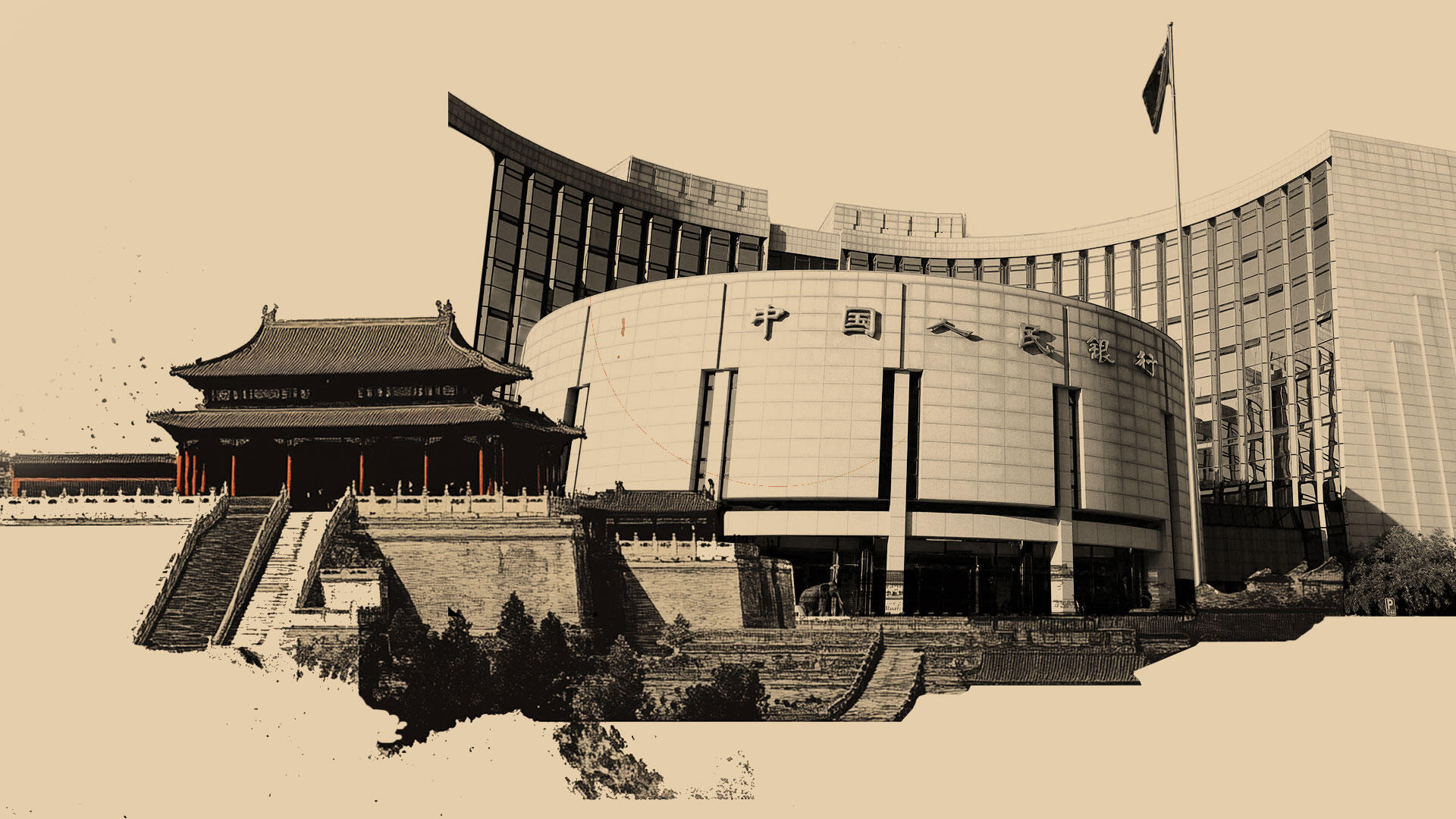
Official manufacturing PMI rebounded in February; 2-month average suggests steady production activity. Trade performance likely weakened last month due to both the holiday and tariff impact. CPI may have dropped y/y on a fall in prices of food, fuel and services, as well as a high base effect. Retail sales and FAI growth likely edged up on policy support, while IP growth may have moderated, Standard Chartered's economists report.

A mixed start to the year

"The official manufacturing PMI rebounded to 50.2 in February from 49.1 in January after the Lunar New Year holidays. The average new orders and production PMIs for 2M-2025 were 50.2 and 51.2, respectively, indicating steady manufacturing activity. We therefore expect industrial production (IP) growth to have stayed resilient at 5.0% y/y over the period. Expansion of the equipment upgrade and consumer goods trade-in programmes likely supported fixed asset investment (FAI) and retail sales growth."

"The US has imposed additional tariffs on all of its imports from China since early February to date. We expect 2M-2025 trade activity to have been affected, with export growth slowing and import growth turning negative over the period. CPI inflation likely fell to -0.6% y/y in February due to a high base and a decline in food, services and fuel prices. Meanwhile, PPI deflation may have moderated on higher metal and construction material prices."

"We expect total social financing (TSF) outstanding growth to have edged up 0.4ppt to 8.4% y/y in February. New CNY loan growth likely remained stable at 7.5% y/y. In addition, government bond financing remained sizeable to support project financing."

Author

FXStreet Insights Team

The FXStreet Insights Team is a group of journalists that handpicks selected market observations published by renowned experts. The content includes notes by commercial as well as additional insights by internal and external analysts.


More from FXStreet Insights Team
Share:

Editor's Picks

GBP/USD surrenders some gains, back to 1.3420

GBP/USD holds on to moderate gains above 1.3400 the figure on Friday. Optimism surrounding the UK government’s leadership transition and expectations of further BoE tightening support the British Pound, while easing tensions in the Middle East and fading Fed rate-hike expectations weigh on the US Dollar.

EUR/USD turns positive, targets 1.1450

EUR/USD now picks up pace and advances toward the 1.1440 region on Friday, up modestly for the day. With no major economic data due, lingering uncertainty over the US-Iran conflict keeps investors cautious, limiting the pair's upside.

Gold remains offered, still below $4,100

Gold struggles to extend Thursday’s rebound and navigates below the $4,100 mark per troy ounce on Friday. Uncertainty surrounding the Middle East conflict limits the precious metal’s upside, which is also under pressure amid rising US Treasury yields across the curve.

Week ahead – US CPI and Warsh testimony to take centre stage, BoC eyed too

US inflation report and Warsh testimony to headline the week. Dollar to dominate amid slew of other US data and Mideast tensions. Amid fresh Iran escalation, China GDP to shed light on Q2 impact. Bank of Canada not expected to follow RBNZ with rate hike.

Five sessions, one round trip: Why the whipsaw is exactly what Warsh ordered

Markets opened July with a December hike as the base case and spent five trading sessions unlearning and relearning it. A 57K payrolls print bled the tightening bets out of the strip; a re-shut Strait of Hormuz is pushing them back in. Wednesday's minutes from the June Federal Open Market Committee meeting landed mid-round-trip, describing a world that had already stopped existing.

Five sessions, one round trip: Why the whipsaw is exactly what Warsh ordered

Markets opened July with a December hike as the base case and spent five trading sessions unlearning and relearning it. A 57K payrolls print bled the tightening bets out of the strip; a re-shut Strait of Hormuz is pushing them back in. Wednesday's minutes from the June FOMC meeting landed mid-round-trip, describing a world that had already stopped existing.