BoJ expected to hike in December, not in October – Reuters poll
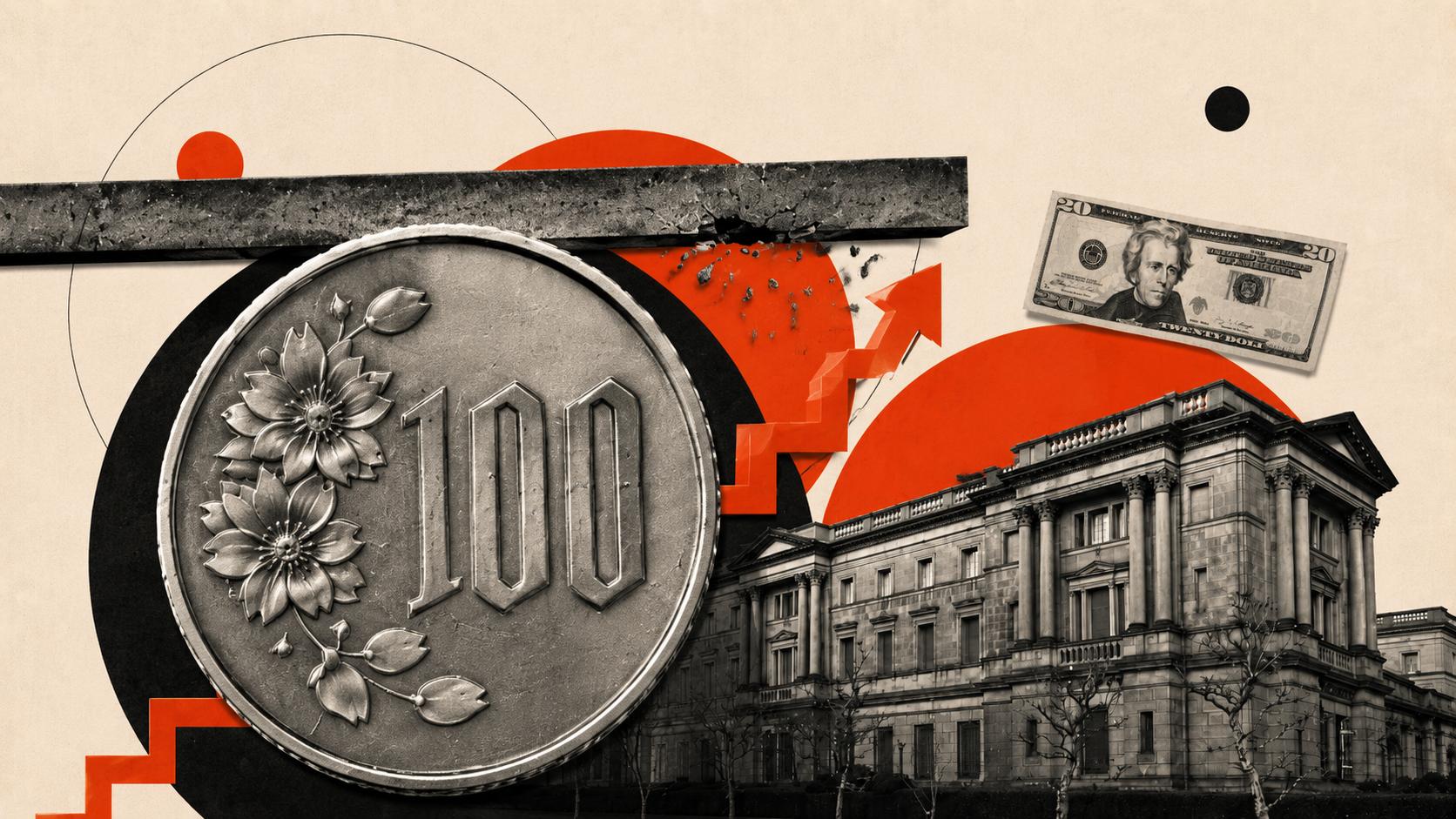
A Reuters poll revealed that a majority of economists expect the Bank of Japan to raise rates at its December meeting, marking the third increase since June.
The US-Iran conflict and the Russia-Ukraine war pushed energy prices higher, with Oil surpassing $100 per barrel during the year. More forecasters expect at least two rate increases in 2027, as Japan, a net energy importer, needs to cope with rising prices and a weaker Yen.
BoJ member Junko Koeda said the central bank should not become overly cautious about raising rates, due to significant upside risks to inflation.
The survey showed that of 78 analysts, 54 expect a rate hike in December, while the BoJ is expected to hold rates unchanged in October.
Sources have told Reuters many BOJ officials prefer to assess more data on how previous increases have affected financial conditions.
For 2027, 39 of 65 analysts or 60% expect the BoJ to raise rates to 1.75% towards the end of June, revealed the survey.
Bank of Japan FAQs
The Bank of Japan (BoJ) is the Japanese central bank, which sets monetary policy in the country. Its mandate is to issue banknotes and carry out currency and monetary control to ensure price stability, which means an inflation target of around 2%.
The Bank of Japan embarked in an ultra-loose monetary policy in 2013 in order to stimulate the economy and fuel inflation amid a low-inflationary environment. The bank’s policy is based on Quantitative and Qualitative Easing (QQE), or printing notes to buy assets such as government or corporate bonds to provide liquidity. In 2016, the bank doubled down on its strategy and further loosened policy by first introducing negative interest rates and then directly controlling the yield of its 10-year government bonds. In March 2024, the BoJ lifted interest rates, effectively retreating from the ultra-loose monetary policy stance.
The Bank’s massive stimulus caused the Yen to depreciate against its main currency peers. This process exacerbated in 2022 and 2023 due to an increasing policy divergence between the Bank of Japan and other main central banks, which opted to increase interest rates sharply to fight decades-high levels of inflation. The BoJ’s policy led to a widening differential with other currencies, dragging down the value of the Yen. This trend partly reversed in 2024, when the BoJ decided to abandon its ultra-loose policy stance.
A weaker Yen and the spike in global energy prices led to an increase in Japanese inflation, which exceeded the BoJ’s 2% target. The prospect of rising salaries in the country – a key element fuelling inflation – also contributed to the move.
Author

Christian Borjon Valencia
FXStreet
Markets analyst, news editor, and trading instructor with over 14 years of experience across FX, commodities, US equity indices, and global macro markets.