|

BoE recap: A divided hike and a warning that the energy shock is not over
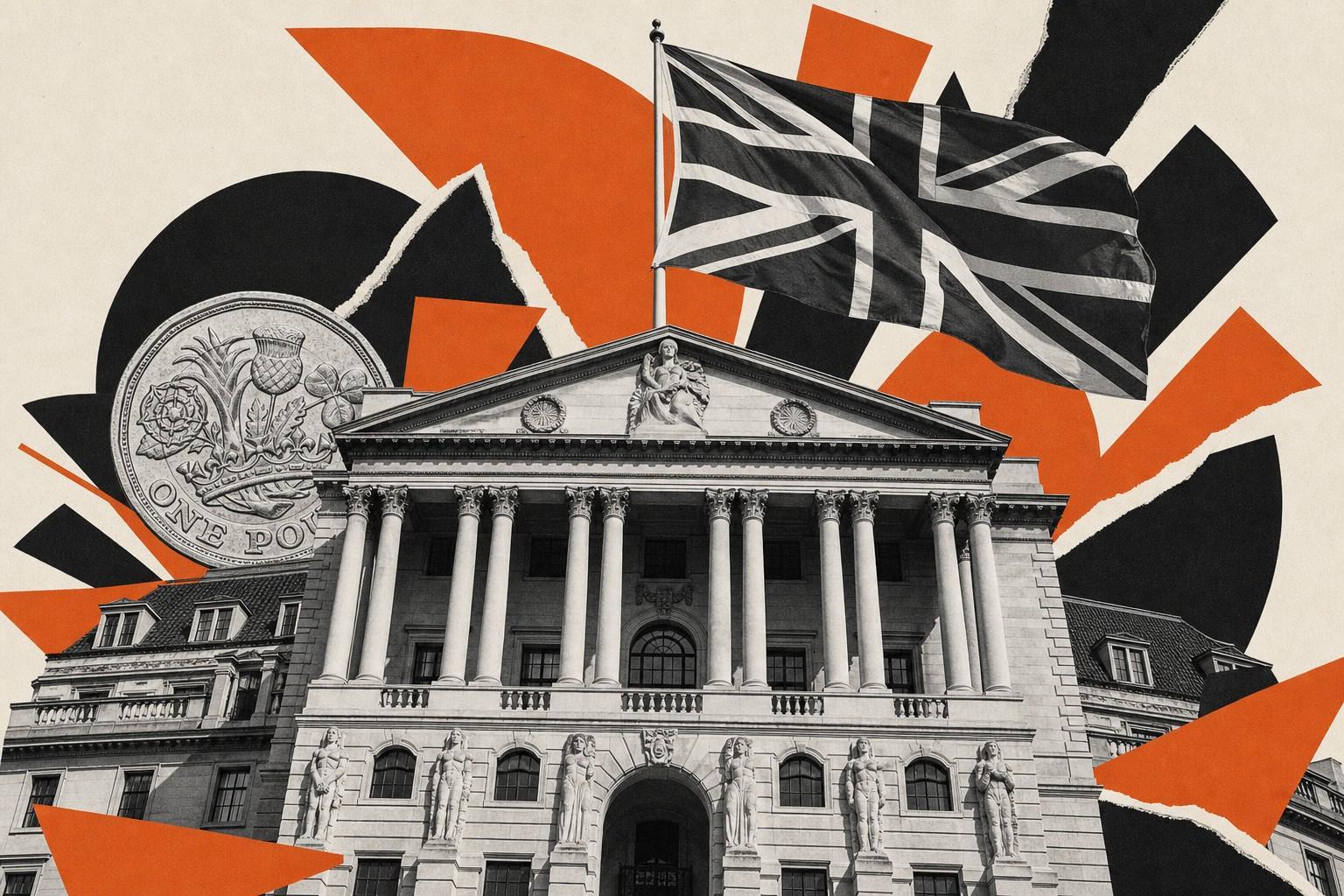
The Bank of England (BoE) raised its Bank Rate by 25 basis points to 4.00%, with eight policymakers backing the move and Catherine Mann preferring a larger 50-basis-point increase. The decision came as the BoE sharply lifted its inflation forecasts and warned that energy pressures could require further tightening.

The “Old Lady” now anticipates inflation to peak at roughly 5% in Q2 2027, up from its earlier prediction of 3.2% in late 2026. The CPI is not likely to recover to the 2% objective until Q3 2028, while under the Bank’s bad scenario inflation would rise to 6.2% if the energy shock worsens.

Governor Andrew Bailey said there was already enough inflationary pressure in the pipeline to warrant the rise. The current boost may not be the last, he cautioned, and the Middle East crisis may not be over. But he underlined it should not be taken as the start of an inevitable series of rate rises. The Bank still sees scant evidence of second-round impacts, but stronger-than-expected activity has bolstered the argument for tighter policy.

The economic picture is ambiguous: the BoE has lifted its growth predictions for the near-term and now sees GDP expanding by 1.6% in 2026, although growth is expected to drop to 1.3% in 2027 and 1.2% in 2028. Unemployment is likely to increase slowly but pay growth is now expected to be more than originally estimated. The government’s budget is predicted to dampen inflation briefly, but the impact is likely to be reversed later.

The message was broadly hawkish, but not a pledge to continue tightening. MPC members Lombardelli and Pill think there is a case for another hike in the near future, while Greene suggested further hikes would likely be needed. Bailey said existing policy was generally restrictive enough and that some of the increase in market-rate expectations was due to risk premia rather than the Bank’s predicted course. The MPC has hiked rates to guard against a worse inflation outcome, but has deliberately kept its next move open.

Author

Pablo Piovano

Born and bred in Argentina, Pablo has been carrying on with his passion for FX markets and trading since his first college years.


More from Pablo Piovano
Share:

Editor's Picks

AUD/USD consolidates near 0.7000 as USD stays weak

AUD/USD holds steady above 0.7000 during Thursday’s Asian session, consolidating the previous day’s recovery gains from a near three-week low as the Democratic sweep in the US midterm elections and Iran diplomacy hopes continue to weigh on the US Dollar. Bulls, however, seem hesitant as focus shifts to Friday’s crucial US NFP report.

USD/JPY drifts lower to 158.25 on hawkish BoJ Minutes, weak USD

USD/JPY trades with a negative bias for the second straight day on Thursday as hawkish BoJ Minutes, showing members agreed to keep raising rates, and intervention risks support the Japanese Yen. Meanwhile, US midterm election results and hopes for Iran diplomacy keep the US Dollar depressed as focus shifts to Friday’s US NFP report.

Gold gives away gains; focus is back to $4,000

Gold now surrenders part of its initial bull run and breaks below the key $4,100 mark per troy ounce on Thursday. The yellow metal extends it recovery on the back of the mild advance in the Greenback and declining US Treasury yields following the US midterms elections.

The memory trade collapses as Sandisk sheds 17%, Micron sinks to May levels
If Wednesday's stock market rally was a broad vote of confidence in the Democratic sweep of the US midterm elections, Thursday is the other side of that coin. While the AI sell-off already began on Wednesday, it has kicked into higher gear on Thursday. The NASDAQ Composite has swung to a 4% loss in the morning regular session, while the S&P 500 and Dow Jones also shed Wednesday's gains.
NFP stress test: Six payrolls releases, measured in daily-loss limits

Friday's US employment report is usually previewed in terms of the headline number and the reaction in the Dollar. For a growing group of traders, those running funded or evaluation accounts with a fixed daily loss limit, there is a more practical question: how much of that limit can the first hour consume, regardless of direction?

US Dollar breaks below 101.50 as Democrats sweep Congress
The US Dollar (USD) comes under heavy selling pressure on Wednesday, with the US Dollar Index (DXY) falling around 0.5% to trade near 101.35 after sliding below the 101.50 level. The Greenback retreats to its lowest level in four weeks as investors reassess the political and economic outlook following the Democratic Party's sweeping victory in the United States (US) midterm elections.