|

BoE: Energy shock delays easing path – Rabobank
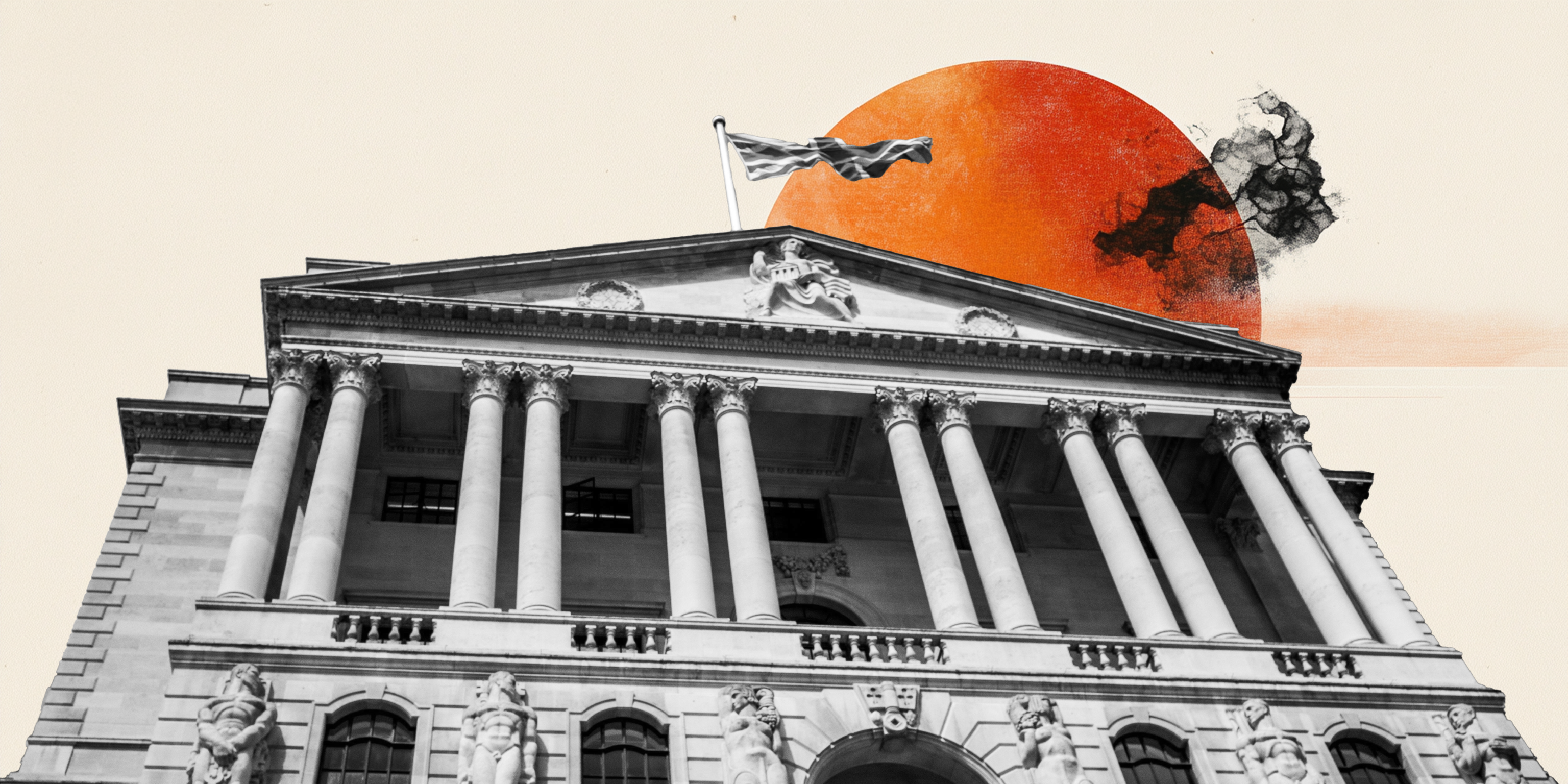
Rabobank’s Senior Macro Strategist Stefan Koopman argues that the recent surge in Oil and natural gas prices has derailed expectations for near-term Bank of England rate cuts, with the policy rate now seen on hold through 2026. The energy shock is expected to lift UK inflation back toward 2.7%, keeping the Pound supported as markets reprice BoE easing further out.

BoE cuts pushed into 2027 on energy shock

"The surge in oil and gas prices has reduced expectations of a near-term BoE rate cut. By our calculations, the energy shock could easily add around 65 bps to UK inflation by mid-year, pushing it back toward 2.7% instead of the 2% previously forecast. With hardly any monetary or fiscal room to cushion the blow, the UK economy is exposed until energy markets stabilise."

"The market-implied probability of a Bank of England rate cut this month has therefore fallen sharply, from around 80% to about 25%. All major central banks have seen some repricing, but sterling markets are moving faster because the outcome may depend entirely on Governor Bailey’s vote."

"If the energy shock persists in the coming weeks and months, UK inflation will not fall to 2%. Cutting rates in that environment would risk rekindling inflation expectations, even if unemployment continues to rise. We have therefore removed our call for two rate cuts in the first half of the year."

"The UK economy now looks particularly exposed: the energy shock is squeezing incomes and confidence, while neither monetary nor fiscal policy can respond until markets stabilise. But if tensions in the Middle East ease more quickly than we expect and energy prices do retreat, we will revisit our view and re-introduce rate cuts into the 2026 forecast, given our conviction that the UK labour market is weakening."

(This article was created with the help of an Artificial Intelligence tool and reviewed by an editor.)

Author

FXStreet Insights Team

The FXStreet Insights Team is a group of journalists that handpicks selected market observations published by renowned experts. The content includes notes by commercial as well as additional insights by internal and external analysts.


More from FXStreet Insights Team
Share:

Editor's Picks

EUR/USD gathers strength to near 1.1550 ahead of ECB rate decision

The EUR/USD pair trades in positive territory near 1.1540 during the early Asian trading hours. Rising bets that the European Central Bank will deliver a rate hike at its June policy meeting later on Thursday underpin the Euro against the Greenback.

GBP/USD nudges higher above 1.3350 despite rising Fed hike bets

The GBP/USD pair gathers strength to around 1.3385 during the Asian trading hours on Thursday. However, the potential upside might be limited amid rising expectations for higher-for-longer US interest rates. Markets might turn cautious later in the day ahead of the US Producer Price Index report.

Gold steadies above YTD low on softer USD; bearish bias remains amid Fed hike bets

Gold fades a modest Asian session bounce to the $4,118 region, though it manages to hold above the lowest level since November 2025. A softer Core US Consumer Price Index eased concerns about a runaway inflation spiral, weighing on the US Dollar and prompting some intraday short-covering around the precious metal.

XRP and XLM: Mild recovery attempts emerge amid mixed market signals

Ripple (XRP) and Stellar (XLM) show mild signs of recovery on Thursday after extending losses earlier this week. XRP is holding above the $1.10 level as bearish momentum begins to fade, while XLM has bounced modestly from a key support zone.

Oil is trading shadows on a radar screen

The oil market is no longer trading a clean barrel count. It is trading shadows on a radar screen, tankers running dark, missiles in the air, diplomacy wearing a flak jacket, and every macro desk trying to decide whether the Strait of Hormuz is merely impaired or about to become the fuse that relights the inflation trade.

The US economy defies the rules: 100 days into the Oil shock and the recession signal is still missing

More than three months after the start of the Iran war and the resulting disruption to global energy markets, the US economy continues to display remarkable resilience. The conflict has triggered a sharp rise in Oil prices, reignited inflationary pressures and fueled widespread concerns about a potential economic slowdown.