Australian Dollar falters below 0.6500 as RBA rate cut bets weigh on sentiment
- The Australian Dollar struggles below 0.6500, pressured by RBA rate cut bets and cautious risk sentiment.
- RBA is widely expected to lower the cash rate to 3.60% at its August 12 meeting, marking its sixth rate cut since August 2024.
- Australia’s TD-MI Inflation Gauge, as released by the Melbourne Institute, rose 0.9% MoM and 2.9% YoY in July.
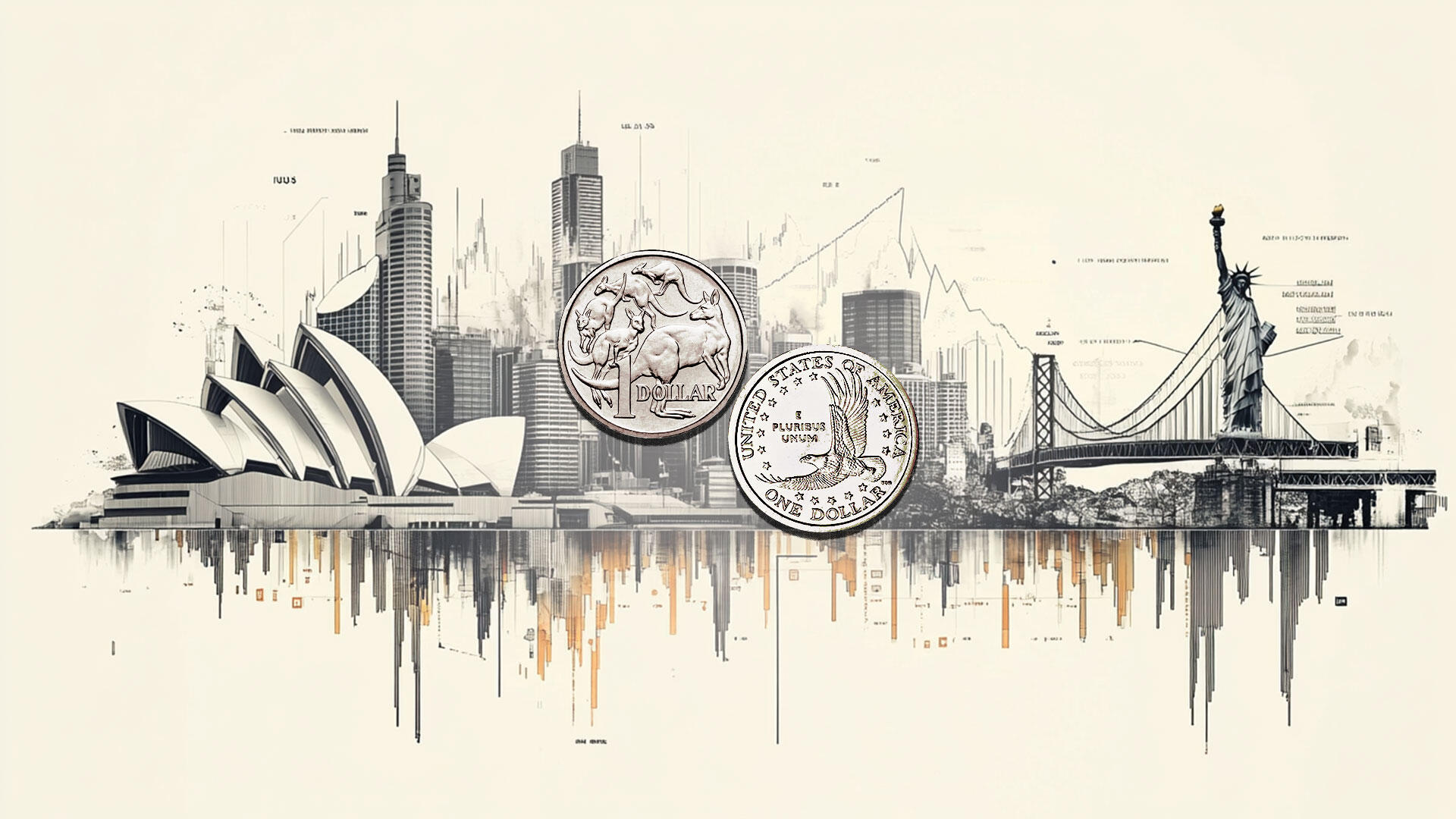
The Australian Dollar (AUD) loses traction against the US Dollar (USD) on Monday, as the Greenback stabilizes in the aftermath of Friday’s disappointing Nonfarm Payrolls (NFP) report. July’s jobs report delivered a clear downside surprise. The data has meaningfully increased the likelihood of a rate cut at the Federal Reserve’s (Fed) next monetary policy meeting in September. This marks a clear shift in sentiment, following last week’s Fed decision to hold rates steady. Still, growing bets on rate cuts are keeping the US Dollar under pressure.
The AUD/USD pair is trading modestly lower, struggling to break above the key 0.6500 psychological level. At the time of writing, the pair is hovering near 0.6465, as markets turn cautious ahead of the Reserve Bank of Australia’s (RBA) monetary policy decision on August 12.
The central bank is widely expected to lower the cash rate by 25 basis points to 3.60% at its upcoming two-day policy meeting ending August 12. The anticipated move follows a sustained decline in price pressures, with core inflation — RBA’s preferred gauge — easing to 2.7% YoY in June, comfortably within the central bank’s 2-3% target range. Rising unemployment and slowing wage growth have further bolstered the case for monetary policy easing, with markets currently pricing in a near 95% probability of a rate cut next week.
However, the latest TD-MI inflation gauge, released by Melbourne Institute on Monday, has added a note of caution. The index showed a sharp 0.9% MoM increase in July, up from 0.1% in June, marking the largest monthly rise in 19 months. On an annual basis, inflation climbed to 2.9% YoY, while the trimmed mean inflation rose 0.8% MoM, its biggest jump in nearly two years. These figures contrast with the more subdued Q2 CPI data and suggest that underlying price pressures may still linger.
While the monthly inflation print could complicate the RBA’s near-term outlook, most analysts believe it is unlikely to derail a widely expected rate cut next week. However, the central bank may adopt a more cautious tone in its forward guidance. According to several economists, the RBA may signal as early as next week that its rate-cutting cycle is nearing an end, potentially dampening market expectations of a deeper easing path. The shift comes as central banks globally weigh the lingering impact of the Trump administration’s tariffs on inflation and growth outlook. RBA Governor Michele Bullock also flagged heightened external risks, citing the fragile global outlook and ongoing US-China tariff tensions, which could feed into imported inflation and disrupt commodity flows, a key factor for Australia’s trade-reliant economy.
On the US side, apart from Friday’s disappointing labor market data, the latest Factory Orders report added to the cautious tone surrounding the US economic outlook. According to the US Census Bureau, Factory Orders declined 4.8% MoM in June, reversing an upwardly revised 8.3% gain in May, though slightly better than the expected 4.9% drop.
Despite the soft data, the US Dollar is attempting to stabilize following last week’s broad-based selloff, supported by a modest rebound in US Treasury yields. At the time of writing, the US Dollar Index (DXY), which measures the Greenback against a basket of six major currencies, is trading around 98.77.
Economic Indicator
RBA Interest Rate Decision
The Reserve Bank of Australia (RBA) announces its interest rate decision at the end of its eight scheduled meetings per year. If the RBA is hawkish about the inflationary outlook of the economy and raises interest rates it is usually bullish for the Australian Dollar (AUD). Likewise, if the RBA has a dovish view on the Australian economy and keeps interest rates unchanged, or cuts them, it is seen as bearish for AUD.
Read more.Next release: Tue Aug 12, 2025 04:30
Frequency: Irregular
Consensus: -
Previous: 3.85%
Source: Reserve Bank of Australia
Author

Vishal Chaturvedi
FXStreet
I am a macro-focused research analyst with over four years of experience covering forex and commodities market. I enjoy breaking down complex economic trends and turning them into clear, actionable insights that help traders stay ahead of the curve.

















