A Fed hike is as fully priced in as can be expected - BBH
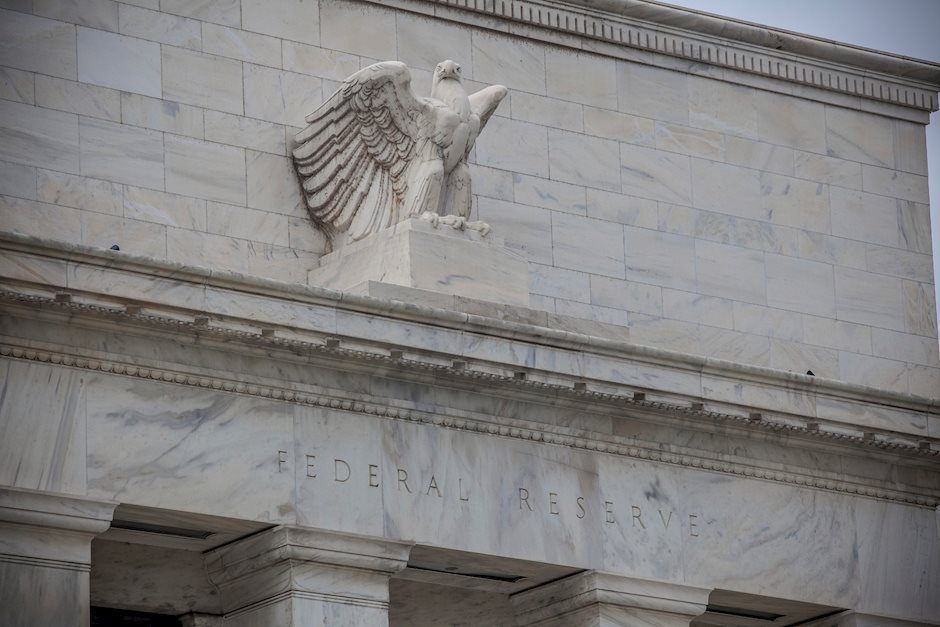

"The FOMC meets tomorrow and a Fed hike is as fully priced in as can be expected," argues analysts at BBH.
Key quotes
The effective Fed funds rate has been at 1.16% since the June hike. It eases at the end a month and quarter. Assuming a 25 bp rate hike, the January Fed funds futures contract should imply a 1.41% rate (1.16% plus 25 bp). It is currently quoted at 1.405%.
In the statement, the FOMC may upgrade growth and recognize the recent strength in the housing market. It may find some confirmation in recent reports for its assessment that the easing of price pressures earlier this year were likely spurred by transitory factors. The headline rate bottomed in May near 1.6% and was at 2.0% in October. It is expected to have risen to 2.2% in November. The core rate is expected to be steady at 1.8%, having been stuck at 1.7% beginning in May and running through September.
The targeted core PCE rate bottomed in August at 1.305% and was at 1.447% in October. The November report will be released on December 22 and is expected to have risen 0.1%, which may be enough to lift the year-over-year rate to 1.46%.
It is well appreciated that the Federal Reserve is midst of dramatic change in personnel. Tomorrow will be Yellen's last press conference as Fed Chair. As soon as Powell is sworn in, she will step down. That means that this is likely her last meeting. The first meeting in 2018 is last day of January. The only personnel change since the September forecasts is that Fischer has stepped down and Quarles has joined the Board of Governors. In September, the forecasts suggested a median anticipation of three hikes in 2018, two in 2019 and one in 2020.
Several investment houses are forecasting four hikes next year, and have largely dismissed arguments that financial conditions are going to be tightened more aggressively by the shrinking of the Fed's balance sheet. We do not expect the dot plots for next year to change. Watch the relationship with the 2020 forecast and the median dot of the long-term forecast. The long-term forecast, which, when adjusted by the Fed's inflation target, can be a proxy for expectation of the long-term equilibrium real rate (r*). The median long-term dot implied 2.75% in September, while two years before, it stood at 3.5%.
There is some risk that the long-term forecast is still in the process of adjusting lower, but we would not expect it to change now. It may be more of a 2018 story. Goodfriend's nomination will likely be confirmed before the March FOMC meeting, when forecasts will be updated. While wary of the erosion of credibility of not achieving the inflation target, Goodfriend has also been critical of past Feds for waiting too long to hike, which latter requires playing catch-up to the detriment of the economy.
Also, next year's rotation of regional presidents, sees two of the chief doves, Kashkari and Evans lose their votes. Nearly by definition, the configuration of the FOMC (not forecasts) will be in a more hawkish direction. Kashkari dissented against the March and June hikes, and will likely dissent from tomorrow's as well. Speculation of who replaces Dudley at the NY Fed has begun. Given the selection process and the recognized desire for continuity, we expect an experienced person from within the Fed to get the nod.
The best policy mix for currency seems to be looser fiscal policy and tighter monetary policy. The US policy mix will likely move in this direction if the tax changes take place. The prospects for the tax changes may be increasingly incorporated into the views and forecasts of Fed officials. That said, most economists appear skeptical of the boost to growth coming from the proposed tax changes, with some recognizing that part of whatever increase in aggregate demand that results will be met with imports, and blunted by a wider trade shortfall. The increase in US energy exports and decrease in energy imports is being overwhelmed by a deterioration of the non-energy trade balance.
Author
Eren Sengezer
FXStreet
As an economist at heart, Eren Sengezer specializes in the assessment of the short-term and long-term impacts of macroeconomic data, central bank policies and political developments on financial assets.