Wallet market in Latin America
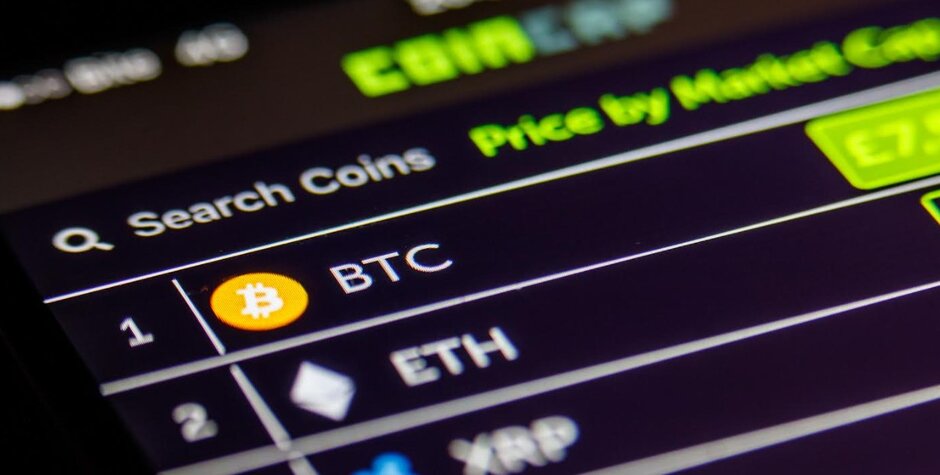

The size of the crypto wallet market in Latin America is projected to reach US$1,505.9 million in 2023, growing at a CAGR of 9.3% from 2023 to 2033.
Various factors are driving the growth of the wallet market in Latin America, such as the high adoption of cryptocurrencies, the growing demand for remittance payments, high inflation rates, and the favorable regulatory environment.
Brazil, Colombia, Argentina, Mexico, and Chile are leading countries in terms of crypto wallet users in Latin America. These countries account for around 84% of all cryptocurrency usage in the region.
Types of wallets in Latin America
The most popular types of crypto wallets in Latin America are hot wallets, which are online or cloud-based wallets that offer convenience and accessibility. However, cold wallets, which are offline or hardware-based wallets that provide security and privacy, are also gaining traction among users seeking more protection for their digital assets.
The most dominant operating systems for crypto wallets in Latin America are Android and iOS, which account for over 90% of the market share. However, other operating systems, such as Windows, Linux, and Mac OS, are also available for desktop or laptop users.
Likewise, the main applications of crypto wallets in Latin America are personal use, e-commerce, commerce, and investment. Personal use is the largest segment, as many users use crypto wallets to store, send, and receive cryptocurrencies for various purposes. E-commerce is the fastest-growing segment as more merchants and consumers adopt cryptocurrencies as a payment method for online transactions.
Types of users
The primary end users of crypto wallets in Latin America are individuals and companies. Individuals are the largest segment, representing most crypto wallet users who use cryptocurrencies for personal or professional reasons. Businesses are the fastest-growing segment as they leverage crypto wallets to improve their business operations and offer innovative solutions to their customers.
Likewise, more and more companies offer mixed products using fiat and cryptocurrency services, which helps expand the adoption of cryptocurrencies in Latin America with companies such as Bitso, Lemoncash.
Antonio Palacio, Managing Director of Bitsa Card, stated:
“ Users need to understand how the crypto wallet works and their primary purpose. If companies spend the right amount of time explaining and teaching their users the advantages of using their products and how they work, such as crypto wallets, the crypto wallet market will keep growing in the Latin American region and the world”.
In this sense, the latter provides a valuable tool for currency exchange, sending remittances, and paying for online services.
Conclusion
In conclusion, the crypto wallet market in Latin America has evolved rapidly and dynamically in 2023, reflecting the diverse and complex realities of the region. Crypto wallets have become a viable alternative for many people facing challenges or seeking new opportunities in the digital economy. The future of crypto wallets in Latin America will depend on how governments, businesses, and consumers continue to adopt and shape this emerging technology.
Author
Juan Frers Allan
Paxful
Professor at the University of Buenos Aires in the School of Economics. Professor at the University of Chile in Fintech and Cryptocurrencies course. Researcher at the University of Buenos Aires.