US Bitcoin reserve adoption faces doubts
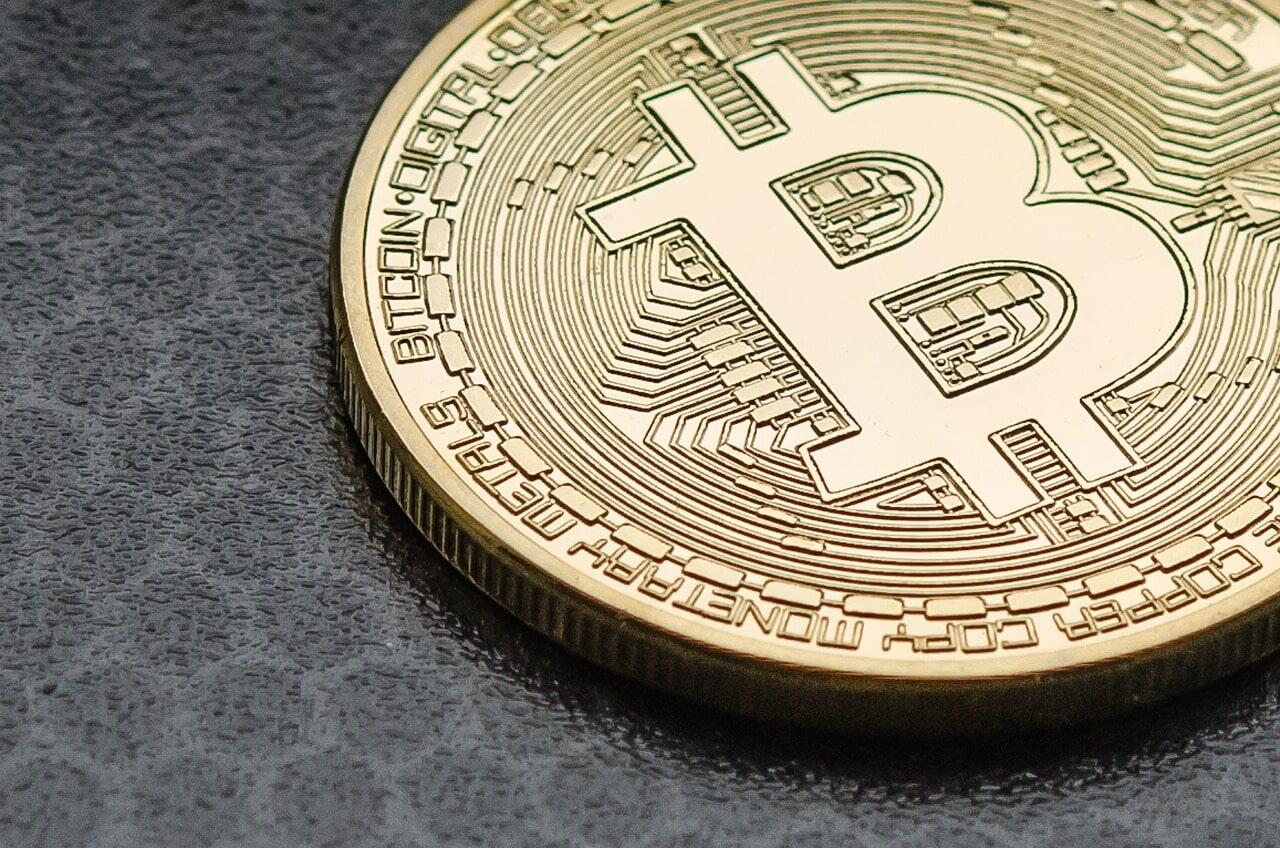
Experts remain skeptical about the US adopting Bitcoin as a financial reserve, citing political and economic hurdles despite bold predictions from advocates.
The possibility of the United States adopting Bitcoin as a financial reserve remains highly uncertain, with prediction markets showing fading confidence. Experts highlight political and economic challenges, while skeptics doubt its feasibility under Donald Trump’s administration. Despite growing support from advocates, significant hurdles stand in the way of Bitcoin becoming part of the US financial strategy.
Prediction platforms offer contrasting views on this issue. On Polymarket, users currently estimate only a 29% chance of Trump introducing a Bitcoin reserve within his first 100 days in office, a sharp drop from the 60% optimism seen after the election. This decline reflects broader skepticism surrounding Bitcoin’s role in US financial policy. Supporters argue that Bitcoin could complement existing reserves like gold and oil, providing financial stability. However, critics point to political resistance and complex economic conditions as major obstacles.
Ki Young Ju, CEO of CryptoQuant, is among those who doubt the likelihood of Bitcoin adoption as a reserve asset under Trump. He believes such a shift would only happen if the US faced a serious threat to its global economic dominance. Ju compares today’s Bitcoin advocates to past movements supporting the gold standard. Historically, the US resisted relying on a single asset to secure its economy, even during calls to reinstate the gold standard in the late 1990s.
Ju suggests that Trump’s stance on Bitcoin could shift if economic priorities change. He noted, “If Trump succeeds in showcasing U.S. economic resilience, reinforcing the dollar’s supremacy, and boosting his approval ratings, it’s unclear if he would maintain the strong pro-Bitcoin stance he demonstrated during his campaign.” Trump could easily change direction without losing voter support if other priorities take precedence.
Despite skepticism, advocates continue to highlight Bitcoin’s potential benefits. Mathew Sigel of VanEck recently proposed that adopting a Strategic Bitcoin Reserve could reduce the US national debt by up to 36% by 2050. Sigel envisions Bitcoin becoming a dominant settlement currency in global trade, especially for countries aiming to avoid US sanctions. According to him, Bitcoin could reshape global financial systems, offering a decentralized and transparent alternative for international transactions.
Meanwhile, prediction platform Kalshi places the odds of Bitcoin adoption as a reserve asset by 2026 at 56%, suggesting that while unlikely in the short term, the idea remains plausible in the medium term. Advocates argue that Bitcoin’s decentralized nature offers a hedge against inflation and geopolitical risks, making it an attractive reserve option.
While Bitcoin’s future in US reserves remains uncertain, the ongoing debate reflects broader conversations about the evolving global financial system. Political will, economic priorities, and external pressures will ultimately determine whether Bitcoin earns a place alongside traditional reserve assets. For now, skepticism dominates, but advocates remain hopeful that the tide may turn in Bitcoin's favor.
Author

Jacob Lazurek
Coinpaprika
In the dynamic world of technology and cryptocurrencies, my career trajectory has been deeply rooted in continuous exploration and effective communication.