Trump’s tariff plans may shake up crypto market
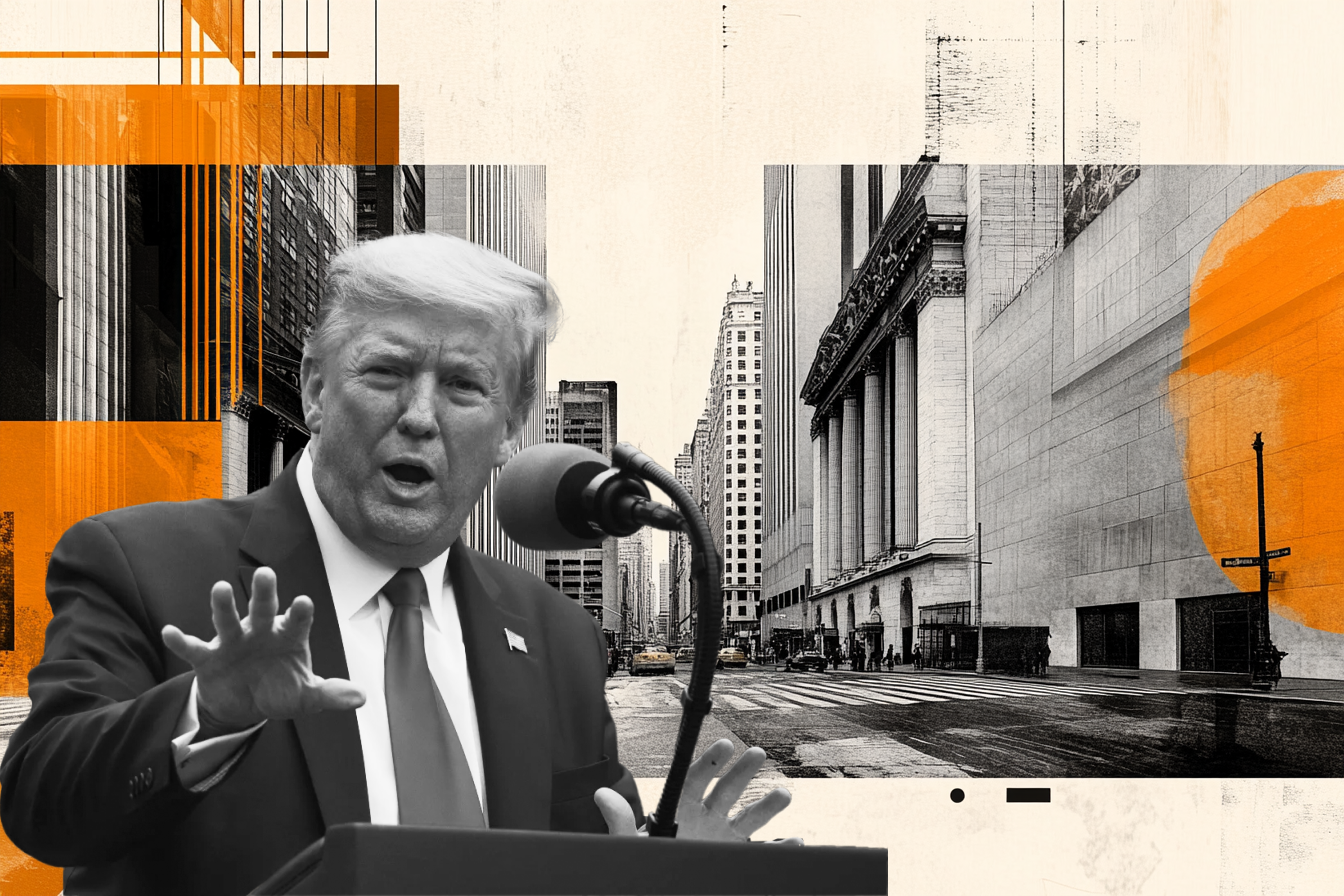
Trump’s possible delay of broad tariffs may ease pressure on crypto markets, but uncertainty keeps Bitcoin and Ethereum vulnerable to policy shifts.
President Trump is preparing to announce a new set of reciprocal tariffs on April 2, a move he calls “Liberation Day” for the U.S. economy. Aimed at reducing the country’s $1.2 trillion trade deficit, this policy shift could have a noticeable impact on financial markets, including crypto.
Trump may hold back from imposing the most aggressive tariffs on key industries like automobiles, semiconductors, and pharmaceuticals. Instead, he might focus on a smaller group of countries—known informally as the “Dirty 15”—with large trade surpluses and high barriers to American exports.
While this could signal a softer approach, nothing is set in stone. Trump has reversed course before, keeping both traditional and digital markets on edge. However, if the policy ends up being more selective or delayed, it could ease pressure on investors, especially after recent months of heightened macroeconomic tension.
Historically, broad tariffs have led to market downturns, while lighter or delayed actions often provide relief. For crypto, which behaves like a risk-on asset, this means price movement could closely follow the tone of Trump’s final decision.
If the administration pushes ahead with broad and aggressive tariffs, investor risk sentiment would likely weaken. Stock and bond markets might drop, and crypto could follow, with Bitcoin and Ethereum under pressure. Traders may move capital to the U.S. dollar or cash, reducing short-term interest in speculative digital assets. A similar pattern occurred in February, when tough tariff talk helped push Bitcoin below key price levels.
On the other hand, if Trump announces a narrower, more targeted tariff strategy, the markets could see a short-term bounce. Crypto would benefit from reduced uncertainty and calmer investor sentiment. As seen earlier in March, even slight signals of policy flexibility helped Bitcoin climb back from recent lows. A measured approach could trigger another mini-rally.
Trump’s unpredictability on trade continues to stir macroeconomic volatility, which heavily influences crypto prices. Even though digital currencies aren’t directly tied to trade, they react quickly to changes in global risk appetite and liquidity.
In summary, how the April 2 tariffs unfold could shape the near-term direction of the crypto market. Aggressive tariffs could weigh on Bitcoin and Ethereum, while delayed or targeted actions might spark a rebound. Investors and traders are closely watching for clarity as crypto remains tightly linked to macro headlines.
Author

Jacob Lazurek
Coinpaprika
In the dynamic world of technology and cryptocurrencies, my career trajectory has been deeply rooted in continuous exploration and effective communication.