Tether taps Asia's booming stablecoin market with Kaia and LINE NEXT
- Tether deploys USDT stablecoin on the Kaia blockchain following a strategic partnership.
- USDT set for integration into LINE's Mini Dapp and self-custody wallet, offering stablecoin services to Asia's mainstream consumers.
- Tether's expansion in Asia comes amid setbacks in the United States' stablecoin bill.
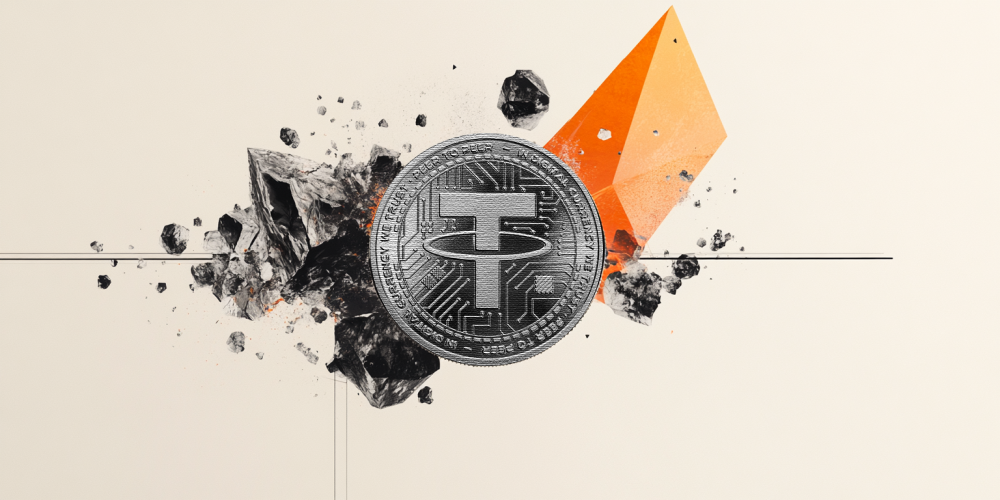
Tether, the company behind the largest stablecoin USDT, announced on Wednesday a strategic partnership with Kaia and LINE NEXT, as it expands into mainstream Asia. The collaboration will see USDT deployed on Kaia's high-performance blockchain, which powers LINE's Mini Dapp (decentralized application) and the Dapp Portal ecosystem, accessible within the LINE messaging app.
Tether eyes Asia's fast-growing stablecoin market
Tether's deployment of USDT on the Kaia blockchain will directly benefit Asia's mainstream consumers, connecting to LINE NEXT's blockchain-powered services and platforms. The announcement on Wednesday said that USDT will be supported across LINE's ecosystem, leveraging its massive user base to redefine how Asia interacts with digital assets.
Kaia boasts a rapidly expanding web3 ecosystem that will likely be a game changer for LINE's over 200 million monthly active users. Mini Dapps will allow access to in-app payments, cross-border transfers, and other related decentralized finance (DeFi) services like lending, borrowing, and liquidity provision.
"Tether's native launch on Kaia is another step toward making stablecoins accessible to millions of mainstream users," said Paolo Ardoino, Tether's CEO. "The expansion to Kaia underscores its (LINE NEXT) commitment to fostering stablecoin adoption across Asia and beyond," he added.
Dr. Sam Seo, Chairman of Kaia DLT Foundation, highlighted that the launch of USDT on the protocol accelerates the adoption of "high-end USD-backed stablecoins in Asia" and strengthens the existing collaboration between his company and LINE NEXT.
LINE's CEO Younsu Ko added that the purpose of this partnership is to "bring web3 services closer to users' everyday experience." This goal will be achieved by building robust on and off-ramps for fiat-to-digital asset conversion. Asia's ballooning stablecoin market could benefit from USDT's liquidity, setting the stage for financial inclusion supported by real-world application of web3 features and platforms.
Bipartisan stablecoin bill faces challenges in US Senate
The much-anticipated stablecoin bill in the United States (US) has encountered bottlenecks after a group of Democratic senators threatened to employ filibuster tactics to delay the legislation unless major amendments are made.
Newly elected Arizona Senator Ruben Gallego led the statement amid heightened criticism of President Donald Trump's entanglement with crypto projects.
President Trump is expected to meet the top 220 TRUMP meme coin holders in Washington D.C., on May 22, fuelling conflict of interest criticism. Republican lawmakers were expecting to pass the monumental legislation this month.
Bitcoin, altcoins, stablecoins FAQs
Bitcoin is the largest cryptocurrency by market capitalization, a virtual currency designed to serve as money. This form of payment cannot be controlled by any one person, group, or entity, which eliminates the need for third-party participation during financial transactions.
Altcoins are any cryptocurrency apart from Bitcoin, but some also regard Ethereum as a non-altcoin because it is from these two cryptocurrencies that forking happens. If this is true, then Litecoin is the first altcoin, forked from the Bitcoin protocol and, therefore, an “improved” version of it.
Stablecoins are cryptocurrencies designed to have a stable price, with their value backed by a reserve of the asset it represents. To achieve this, the value of any one stablecoin is pegged to a commodity or financial instrument, such as the US Dollar (USD), with its supply regulated by an algorithm or demand. The main goal of stablecoins is to provide an on/off-ramp for investors willing to trade and invest in cryptocurrencies. Stablecoins also allow investors to store value since cryptocurrencies, in general, are subject to volatility.
Bitcoin dominance is the ratio of Bitcoin's market capitalization to the total market capitalization of all cryptocurrencies combined. It provides a clear picture of Bitcoin’s interest among investors. A high BTC dominance typically happens before and during a bull run, in which investors resort to investing in relatively stable and high market capitalization cryptocurrency like Bitcoin. A drop in BTC dominance usually means that investors are moving their capital and/or profits to altcoins in a quest for higher returns, which usually triggers an explosion of altcoin rallies.
Author

John Isige
FXStreet
John Isige is a seasoned cryptocurrency journalist and markets analyst committed to delivering high-quality, actionable insights tailored to traders, investors, and crypto enthusiasts. He enjoys deep dives into emerging Web3 tren