Huobi confirms that there will be no homecoming for cryptocurrency exchanges leaving China
- Huobi admits to communicating with regulators and exploring ways of legally operating in China to no avail.
- Mainland China users at cryptocurrency exchanges and related businesses were removed as a testament to Beijing's resolve.
- Overall, the Huobi Group generates over 70% revenue of its business outside of China.

The Seychelles-based cryptocurrency exchange Huobi was originally founded in China, but due to the Chinese government’s crackdown on the crypto sector, Huobi ended its China-based activities last month.The exchange has accepted that cryptocurrency businesses cannot operate in China legally by tiptoeing around the regulation. Retail traders in the Mainland accounted for nearly 20% of Huobi's revenue.
Huobi Global leaves China for good, after the world's largest exchange Binance
China's largest exchange, Huobi, decided to abandon its home on September 24, 2021. The move came as shareholders made decisions of Huobi's global expansion.
After Huobi's announcement, Beijing exercised a ban on all cryptocurrency transactions, businesses and services.
Huobi has publicly admitted that the exchange ceased negotiations with the Chinese government and decided to concentrate on global expansion.
Du Jun, a co-founder of Huobi, said,
In the past, we had been communicating with regulators to see if there are still ways to legally operate in China. But this time, there's no room for discussion. Our strategy is all about going global now.
Huobi pool was the world's eighth-largest Bitcoin pool. Nearly $4.21 billion worth of BTC moved out of Huobi on September 26, one of the highest outflows since December 18, 2017.
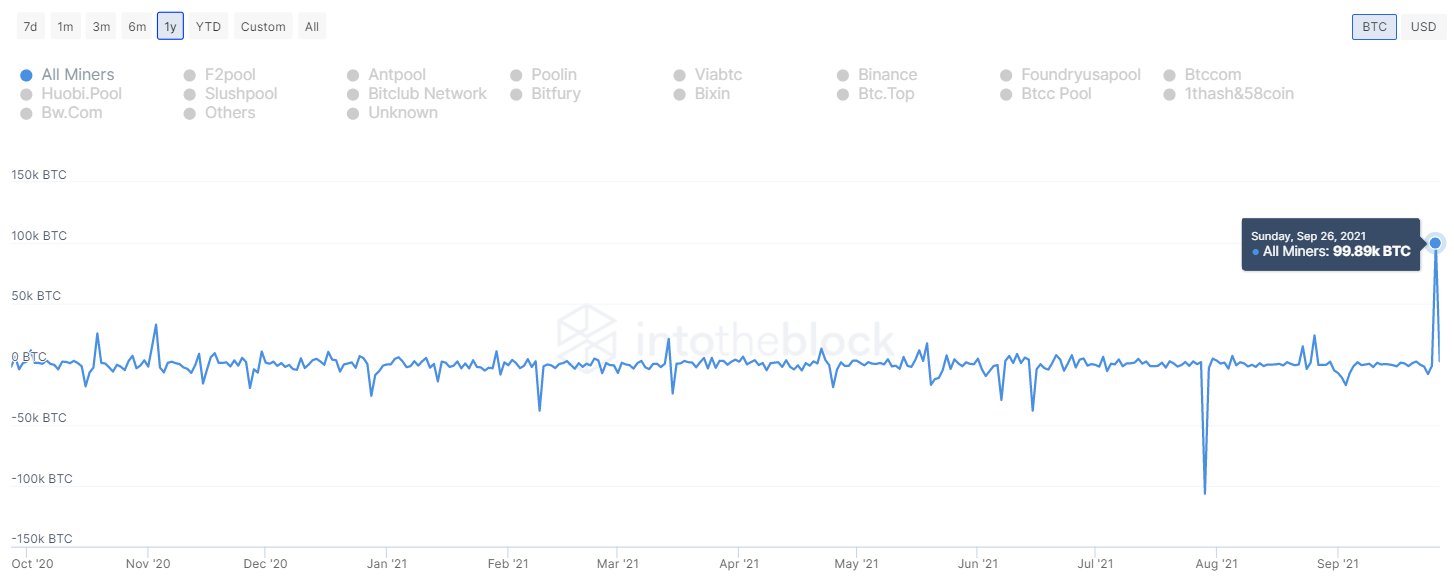
Bitcoin outflow on September 26, 2021, after Huobi's announcement.
Huobi's decision to offboard Chinese users has created a class of traders who refer to themselves as "Huobi Refugees."
From acquiring a foreign passport to moving their cryptocurrency assets to wallets and apps that support mainland China users, "Huobi Refugees" are ready to do whatever it takes to evade China's crypto ban.
The exchange started its global expansion in 2020, and the Huobi Group makes 70% of its revenue globally (outside China). Chinese retail traders account for 20% of the exchange's revenue.
Adam Cochran, a partner at Cinneamhain Ventures, reacted to Huobi's decision of removing CNY pairs and Chinese users.
Pretty crazy to see Huobi withdrawing CNY pairs and users.
— Adam Cochran (@adamscochran) October 2, 2021
While China 'bans' Bitcoin and trade speculation frequently, this year certainly seems to have had more teeth.
Doesn't go into effect until December, but not a very nice Christmas present! https://t.co/p7XczDnfnz
Lesser-known cryptocurrency exchanges, wallets and applications followed Huobi's footsteps and started removing Chinese users to comply with Beijing's ban.
There will be no homecoming for exchanges and applications leaving Mainland China.
Author

Ekta Mourya
FXStreet
Ekta Mourya has extensive experience in fundamental and on-chain analysis, particularly focused on impact of macroeconomics and central bank policies on cryptocurrencies.



