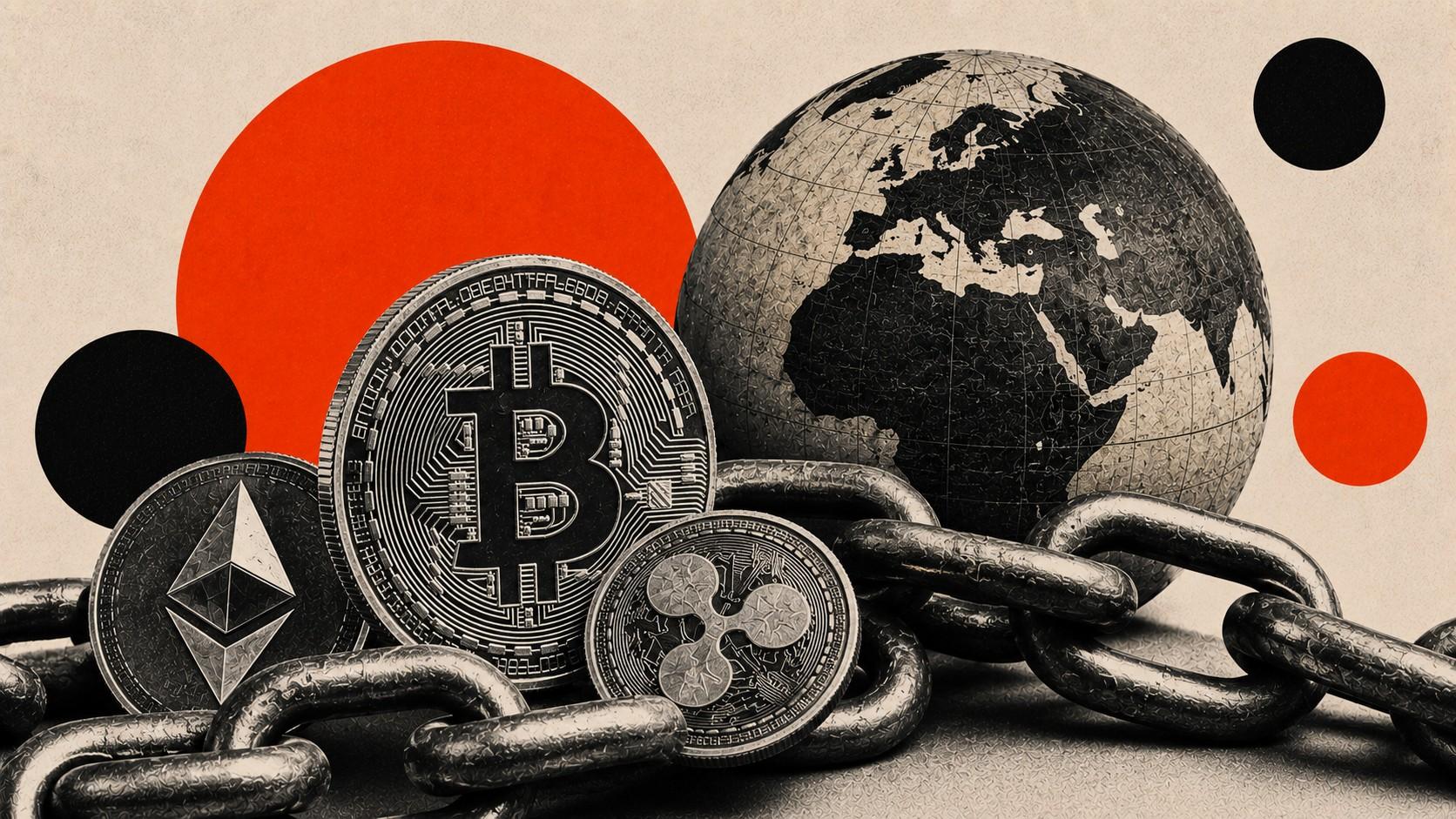
Central Banks move to crypto in the effort to retain control over the monetary system
- The global regulators are actively looking into creating CBDC.
- China is ahead of the curve, while the US lags behind.
- Cryptocurrency supporters say CBDC won't replace BTC.

The US is still investigating
Central bankers worldwide have started to realize that the era of fiat is coming to an end. Digitalization is the future, and the process of digitalization is infiltrating all spheres of life, including money. Loretta Mester, the President and CEO of the Federal Reserve Bank of Cleveland pointed out that the Federal Reserve had been investigating the concept of central bank digital currencies (CBDC) before the COVID-19; however, the pandemic highlighted the idea that has been already gaining attention.
The American central bank has been engaged in "building and testing a range of distributed ledger platforms to understand their potential benefits and tradeoffs," she said in a keynote address on September 23.
Legislation has proposed that each American has an account at the Fed in which digital dollars could be deposited, as liabilities of the Federal Reserve Banks, which could be used for emergency payments. Other proposals would create a new payment instrument, digital cash, which would be just like the physical currency issued by central banks today, but in a digital form and, potentially, without the anonymity of physical currency.
On the other hand, Mester noted that the initiatives and the research did not signal the decision to adopt digital currency. At this stage, the Federal Reserve takes a wait and see approach and stands ready to act when deemed necessary.
Europe wants the best from both worlds
Meanwhile, the head of the European Central Bank, Christine Lagarde, also confirmed that the European regulator looked into the risks and benefits of digital currencies. She confirmed that a digital euro is a possibility. Still, it would not replace the fiat money but rather compliment it, while the central bank digital currency would co-exist with private alternatives available for the European citizens.
At the same time, the European Central Bank will do everything to protect its power to control monetary policy and "ensure that sovereign money remains at the core of European payment systems."
The ECB's president is concerned that Europe lags behind other countries regarding financial and payments innovations. She believes that a digital euro would allow the bloc to build an integrated infrastructure and make up lost ground. The Banque de France is currently working with eight private companies from the financial sector to explore the regulatory and economic consequences of launching a CBDC. It has also announced its readiness to test digital euro.
China is ahead of the curve
China is leading the pack. The second-largest global economy may become the first country with the digitalized sovereign currency as it is moving fast towards the launch of the digital version of yuan. Several Chinese provinces, including Shenzhen, Suzhou, Xiong'An, Chengdu, are preparing for internal tests of the central bank digital currency (CBDC), also known as DC/EP.
Since the beginning of September, users of the mobile app of China Construction Bank (CCB) can participate in the cryptocurrency wallet tests. The wallet's essential functions will include payments, deposits, making transactions between wallets, and withdrawing money from bank accounts.
Bank of Brazill also recently announced that the country may have its sovereign digital currency by 2022.
Bitcoin or CBDC?
Central Banks first ignored the digital money phenomena; then they turned skeptical; further, they became aggressive. Finally, they realized that the reality was quickly evolving decided to join the trend. However, now it's the community's turn to become skeptical. Many cryptocurrency experts believe that CBDC won't be able to replace Bitcoin or even compete with it.
The idea behind the pioneer digital currency is making money decentralized and free from any centralized authority. The system implies that all transactions are performed in a permissionless way without intermediary or anyone with the power to interfere, block, or cancel transactions. Meanwhile, at this stage, the digital money issued by central banks looks like a digital version of fiat.
Blockstream CEO Adam Back recently stated that coins issued by central banks would never overcome Bitcoin for him. The same view is shared by the long-term Bitcoin adopters.
Author

Tanya Abrosimova
Independent Analyst