Be aware of DeFi
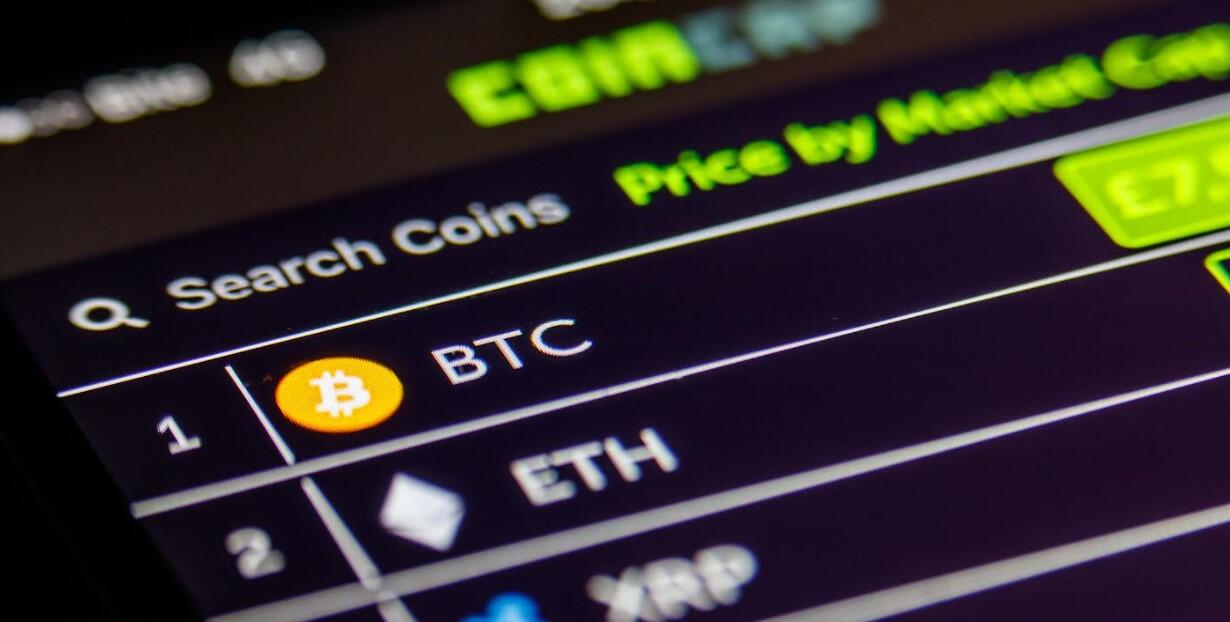
Bitcoin has created unprecedented new conditions in the financial world because it introduced a new global currency and a new unique technology of blockchain. The comparative advantage of Blockchain is that it offers decentralisation capabilities with transparency and security in complex services. Ethereum, through the integration of smart contracts, laid the groundwork for these complex services that are the beginning of decentralised finance, DeFi. Smart contracts set out the terms of an agreement between the parties and are executed automatically when the terms are met without requiring both parties to know who is on the other side of the agreement, and without the need for any kind of broker.
Thus DeFi, as a parallel financial ecosystem based on blockchain technology, simulates the central financial ecosystem by providing services that, in many cases, are more advanced, more efficient, and less time-consuming than those offered by the traditional financial ecosystem.
Specifically, in a decentralised financial DeFi ecosystem, people and entities:
-
They can deposit cryptocurrencies in order to earn interest as they would by depositing money in any other currency in any bank.
-
They can lend and borrow digital assets.
-
They can exchange their currencies in a decentralised exchange.
-
They can trade derivatives in the same way as institutional investors or large investors.
-
They can insure their capital against a crisis, as they would with an insurance company.
-
They can provide liquidity to exchanges.
-
They can sell works of art via NFT as in a gallery.
In addition, the exciting feature of DeFi is the ability it provides to synthesise services and protocols, which means that different applications (dapps) and chains can be combined to maximise the return of an investment. For example, an investor may deposit a currency in the exchange to receive a certain return by having another new currency representing the deposit amount. He can then pledge the new currency and borrow another currency that he can use again at another exchange with extra yield. The fact is that the possibilities offered by compositions through DeFi are innumerable. Moreover, part or all the profits made by DeFi are distributed to the participants of the system as a reward for the liquidity they offer, which entails increased returns.
To be able to use DeFi's services, you must first acquire a digital wallet that only you and no one else has access to, neither the state nor any other company with which you do business because another innovation of DeFi lies in the fact that the user plays the role of custodian. In other words, the user is also the custodian. This carries several risks, but it is a fundamental principle for creating a decentralized system. A system without the mediation of third parties, without bureaucratic procedures. A system that will be literally open to everyone. The absence of intermediaries relieves the system of costs and commissions, which reap a small portion of people and financial institutions in the existing financing system.
On the other hand, DeFi carries several risks mainly because it operates with no clear legal status and regulatory authorities. Anonymity prevails to a large extent, while there are many cases of deception. In addition, the vulnerability of smart contracts is a significant source of problems in DeFi. The code of a smart contract if it has the slightest mistake, will result in losing money. In this case, no one will be held responsible if the user loses his money due to the mistake. Therefore, developing solutions to eliminate human error and mistakes is crucial. Another big problem with DeFi projects is that transactions take a long time to be confirmed; also, transactions are costly at times of congestion.
The degree of adoption of DeFi is challenging to predict. Despite its weaknesses, it is an innovative financial services proposal that every investor should be interested in, to use quickly and efficiently. The critical point is that anyone who decides to engage in decentralised funding will need to deepen their knowledge. It is required constant updating on developments in this area. The important thing is to be aware constantly of the changes that decentralised funding can bring. After all, we live in a world that is changing rapidly. The sooner we realise the changes that are taking place in the financial sector, the easier it will be for us to take advantage of the opportunities that arise from it.
Author

Nikolaos Akkizidis
Independent Analyst
Nikolaos Akkizidis is an Independent Financial Writer, Economist, Author, and Speaker with more than two decades of experience in financial services, capital markets, investment advisory, portfolio management, trading, risk manage