Why India is a key swing state in the new cold war era
-
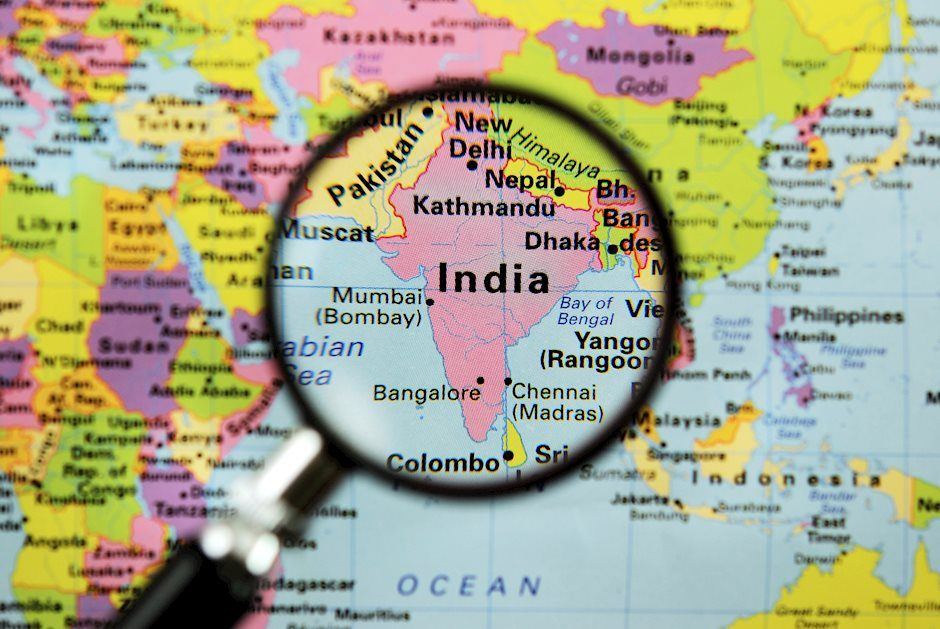
As the debate of a new world order gains speed, we think India will be the country to watch. Dating back to the cold war, India has a long history of successfully implementing its nonalignment strategy, and this strategy is as alive as ever.
-
India’s rapid economic growth and its geographical location make it a crucial swing state for both ‘blocs’. Same time, the country is setting an example for other EM countries on how to navigate the new world order, and even benefit from it.
-
India’s heightened role brings opportunities, but the economy has a lot of catching up to do. Playing both sides could also fail, highlighting the fact that as much as everyone needs India, the still-poor country needs its external partners even more.

As geopolitical tensions continue to brew and as rising populations of the Global South increasingly want their voices heard, the debate of an alternate world order is gaining speed. With most Western economies facing constraints from aging populations and weak productivity growth, and the Chinese economy struggling with both cyclical and structural challenges, there is room for a new economic and political powerhouse. We think this is the role that the new expanded BRICS+ is seeking, albeit without success in near term (see Research Global – BRICS+ is not a love marriage, 25 August). But even if we are sceptical that the BRICS+ could become a credible challenger for the West anytime soon, some countries will grow to have more sway in superpower politics, India being one of them.
In superpower politics, historically, India has always favoured neutrality, and they strongly advocate for their right to work with everyone. The country’s first Prime Minister Jawaharlal Nehru’s famous quote rings as timely as ever: “We are not pro- Russian, nor for that matter are we pro-American. We are pro-Indian.” India’s history of being colonised still plays a role in defining its attitude towards the West. Echoing comments from China, India’s foreign minister has used the expression of ‘centuries of humiliation’ when commenting on the economic exploitation during the British colonial rule. Such remarks tend to resonate in the Global South where many countries share similar experiences. For many countries in the west, their colonial past remains a baggage as they seek to deepen and expand relations in the Global South.
India’s influence in global arenas has grown and will grow even more, underscored by its bright economic prospects. India’s population has already surpassed China, and over the past years, India has grown faster than other major economies, ascending to the fifth largest economy in the world by GDP. The IMF foresees the annual GDP growth rate of India to top 6% throughout projection horizon, while China’s economic growth is set to slow down markedly (see also Research China – Downside risks return, 6 September).
In terms of trade, India needs other superpowers, and the world needs India. The country is the world’s third largest maker of drugs, and it accounts for 60% of global vaccine production. India’s pharma exports are set to grow nearly twice as fast this year compared to previous year, driven particularly by US buying. Overall, with a share of 18%, the US is India’s main export market while China comes third after the UAE. However, China is by far India’s most important trade partner for imports.
Author
Danske Research Team
Danske Bank A/S
Research is part of Danske Bank Markets and operate as Danske Bank's research department. The department monitors financial markets and economic trends of relevance to Danske Bank Markets and its clients.