Weekly Focus – Surging energy prices tighten central bank pricing further

A new wave of US strikes in Iran has raised concerns over Middle East energy supply risks. In combination with reduced flow from US strategic reserves, this has driven oil prices to their highest levels since mid-July, while European gas prices have hit their highest level since 2023. This has fuelled another move higher in bond yields, and major central banks pricing has tightened further. Fresh inflation data from the euro area sounds no alarm bells, though, as small signs of higher transport costs spilling over into goods prices are being overshadowed by lower services inflation.
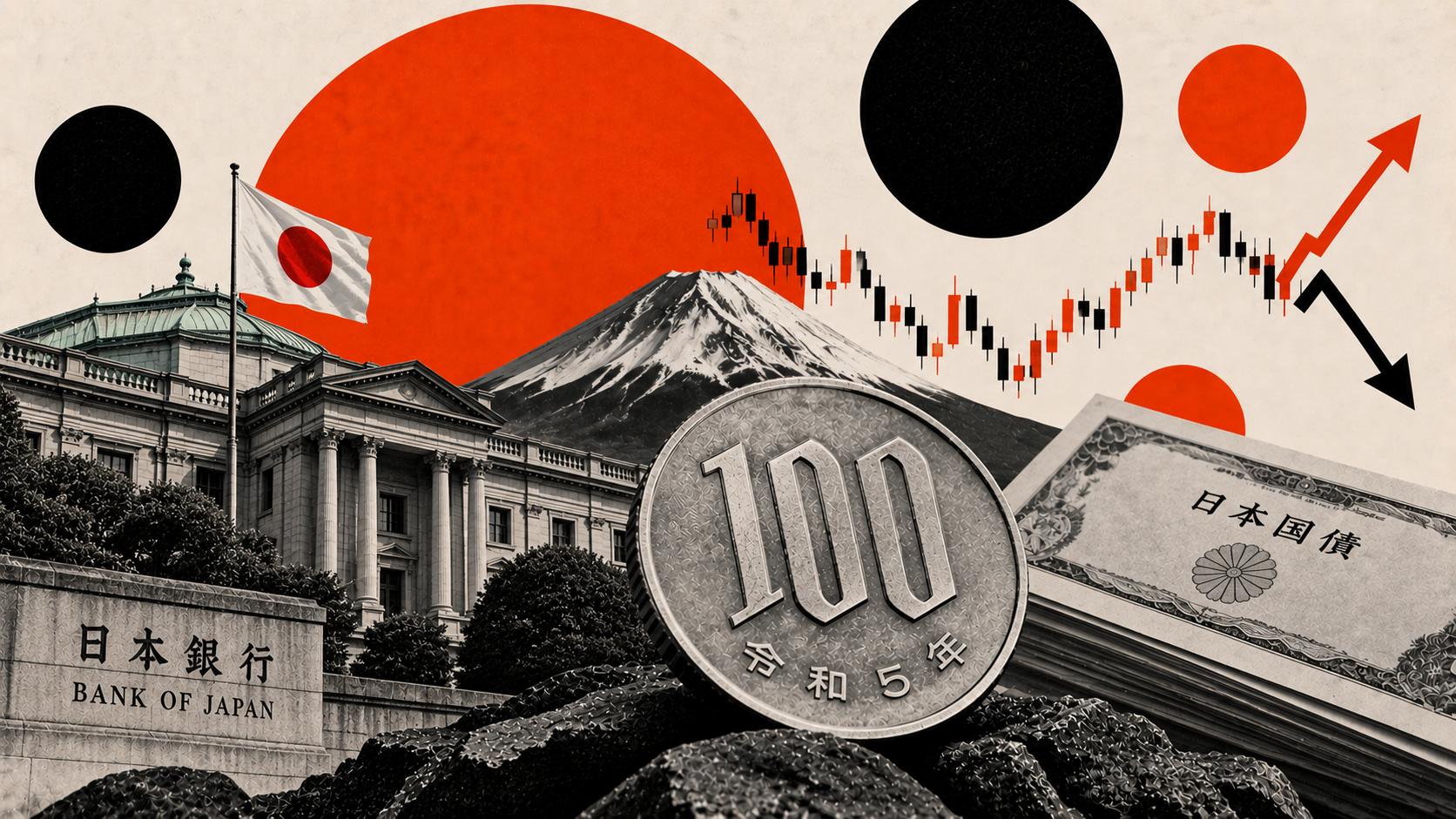
In the FX market, attention has once again centred on sharp yen strengthening, which rhymes poorly with higher energy prices and US Treasury yields. Bank of Japan (BoJ) data suggests there has been no intervention. US Treasury Secretary Bessent has added pressure on the BoJ to tighten, and comments from hawkish board member Takata have spurred a sharp repricing of BoJ expectations. A September hike now looks inevitable, and the cautious hiking pace we have seen from the BoJ so far is being increasingly questioned by investors.
US data came in mixed (ahead of the jobs report), with the number of job openings and the ISM manufacturing index a bit lower than expected, while the ISM services index suggested continued strong momentum. The details suggest a sustained price pressure, and lower employment. Overall, cyclical data remains solid.
We have published a fresh Nordic Outlook, in which we revise upwards the outlook for both the major economies and the Nordics, which have proven even more robust to the global energy shock than expected. We believe AI-related investment will remain an important source of global growth and that fiscal policy will support Europe and Germany in particular. We see a balanced risk picture with AI investment and energy markets as the most uncertain factors that could both become more supportive than what we have pencilled in or act as a drag on the economy.
Despite modest core inflation, a hike from the ECB next week looks like a done deal. We expect no firm guidance and thus also a limited market reaction. In the US, August CPI inflation will be key ahead of the September FOMC meeting. Core inflation has been modest for the past couple of months, and the Fed's Waller and Barr have already more or less tied their rate decision to the outcome. Ahead of that, PPI data could also attract some attention.
Author

Danske Research Team
Danske Bank A/S
Research is part of Danske Bank Markets and operate as Danske Bank's research department. The department monitors financial markets and economic trends of relevance to Danske Bank Markets and its clients.