Crypto’s $638 million buyback boom may not be as bullish as it looks

Decentralized Finance (DeFi) protocols reportedly spent $638 million to buy back their native tokens in August, up 17% from a year earlier. On the surface, the buyback trend suggests the cryptocurrency industry is maturing fast, adopting one of Wall Street’s oldest tools to bolster valuations and distribute revenue.
The headline becomes less impressive once the number is opened up. Hyperliquid and Pump.fun account for nearly 90% of DeFi buyback volume, meaning the apparent industry-wide trend is heavily concentrated in two protocols rather than spread across the sector.
Hyperliquid accounted for roughly $370 million, while Pump.fun contributed nearly $200 million. That concentration matters because buybacks can reduce circulating supply, but they do not eliminate dilution, unlocks or regulatory risk. In some cases, they may simply provide liquidity against which early investors can sell.
Buybacks are a bigger help for early investors, not bullish guarantees
Buybacks are heavily dependent on a protocol’s revenue and reshape net supply dynamics, with deflationary effects because burning repurchased tokens permanently removes them from circulation.
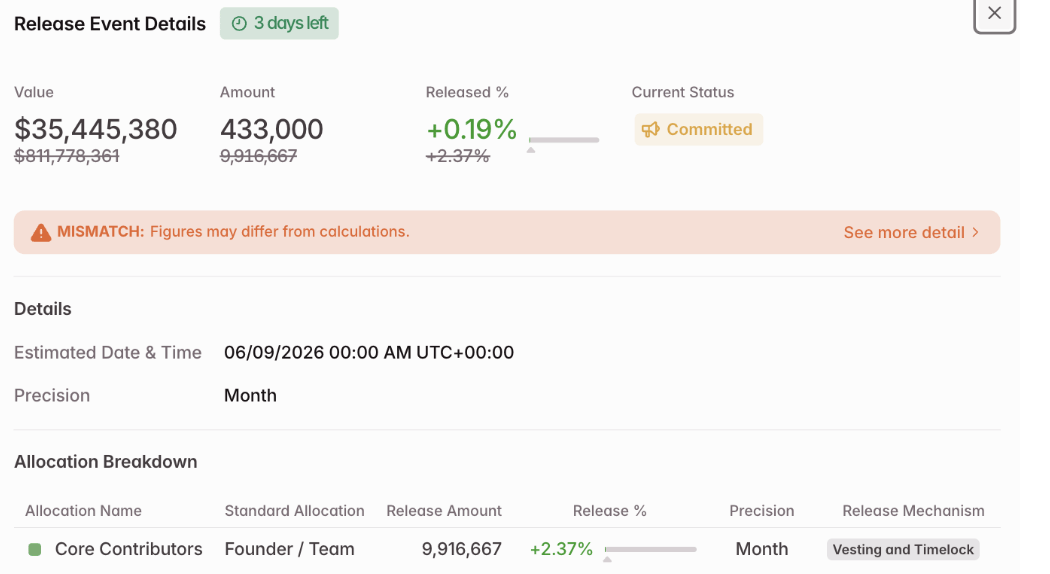
For Hyperliquid, market capitalization stands at around $18.51 billion based on its circulating supply, whereas its Fully Diluted Value (FDV) sits at a staggering $77.97 billion, which accounts for its total supply. Because more than half of its total supply is locked (53.51%), the buyback trend fueled by retail-generated protocol fees could serve as the exit liquidity for the next wave of 433,000 HYPE tokens unlocking on Saturday, accounting for 0.19% of released supply and the futures unlocks.
On the other hand, Ethena (ENA), the USDe synthetic dollar stablecoin issuer, announced a single over-the-counter (OTC) seed token buyout on October 5 after the Ethena Foundation bought all unvested locked ENA tokens from large early seed investors. After the OTC deal eliminates monthly recurring supply unlocks, Ethena proposes a massive revenue buyback engine that utilizes 95% of net protocol earnings generated by staking rewards and funding rate arbitrage.
Furthermore, the buyback trend is not a guarantee of price floors. Hyperliquid rallied 70% over the past year amid token repurchases driven by its everything exchange narrative, while other protocols have struggled.
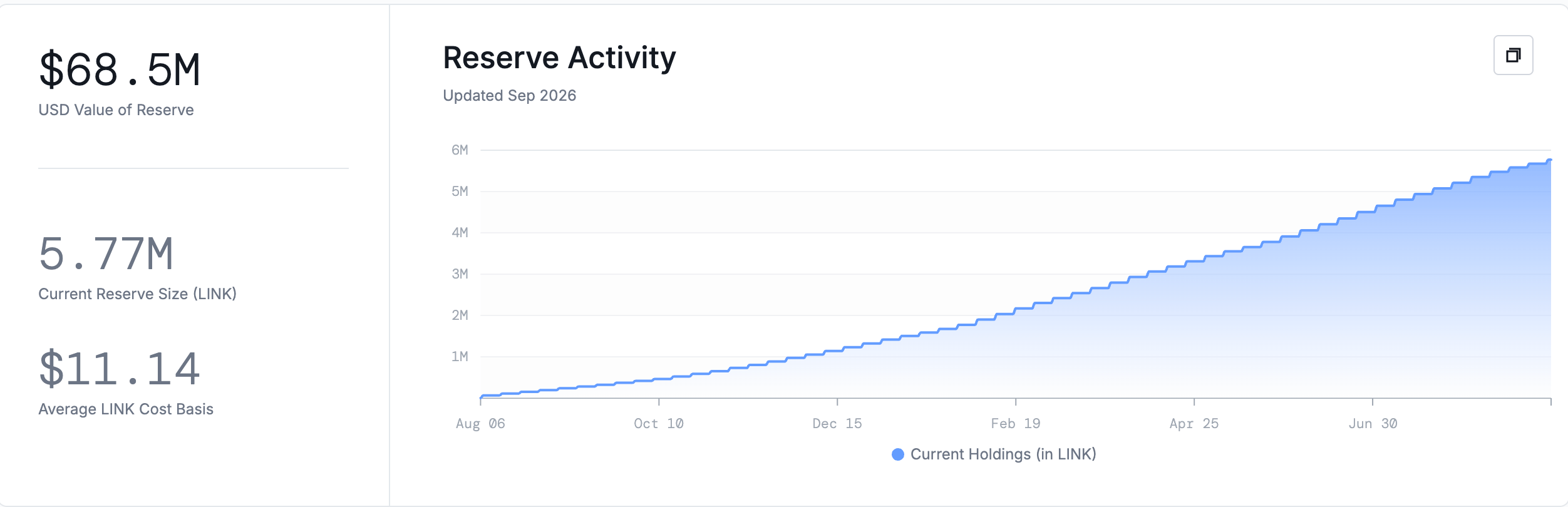
Chainlink now holds a 5.77 million LINK token reserve after consistent buybacks, but it hasn't burned these tokens, creating a perpetual secondary supply overhang. In addition, the decentralized exchange Jupiter (JUP) and the liquidity network THORChain (RUNE) both bought back their tokens, while their native tokens suffered severe double-digit drawdowns.
The regulatory minefield under the CLARITY Act
The strong push into revenue-funded buybacks in DeFi protocols collides directly with shifting US legislation, with the US Senate likely to vote on the Digital Asset Market Clarity Act in mid-September.
However, with DeFi protocols aggressively funneling more than half of platform revenue directly into token repurchases, it closely mirrors dividend-paying corporate equity. This could reduce the odds of DeFi protocols passing the Howey Test, where an asset is considered a security if people invest money with an expectation of profit derived from the efforts of others.
If DeFi protocols fail the Howey Test, they could lose the lighter, more favorable oversight of the Commodity Futures Trading Commission (CFTC) and fall strictly under the enforcement jurisdiction of the Securities and Exchange Commission (SEC).
Crypto's $638 million buyback boom may look like a sign of maturity. But nearly 90% of that activity comes from just two protocols, while unlocks and regulatory questions remain firmly in the picture. Until buybacks translate into durable token value rather than simply absorbing supply from one group of holders, the industry has more to prove.
Author

Vishal Dixit
FXStreet
Vishal Dixit holds a B.Sc. in Chemistry from Wilson College but found his true calling in the world of crypto.